Normalization Deals: New Shield for Zionist Agenda?
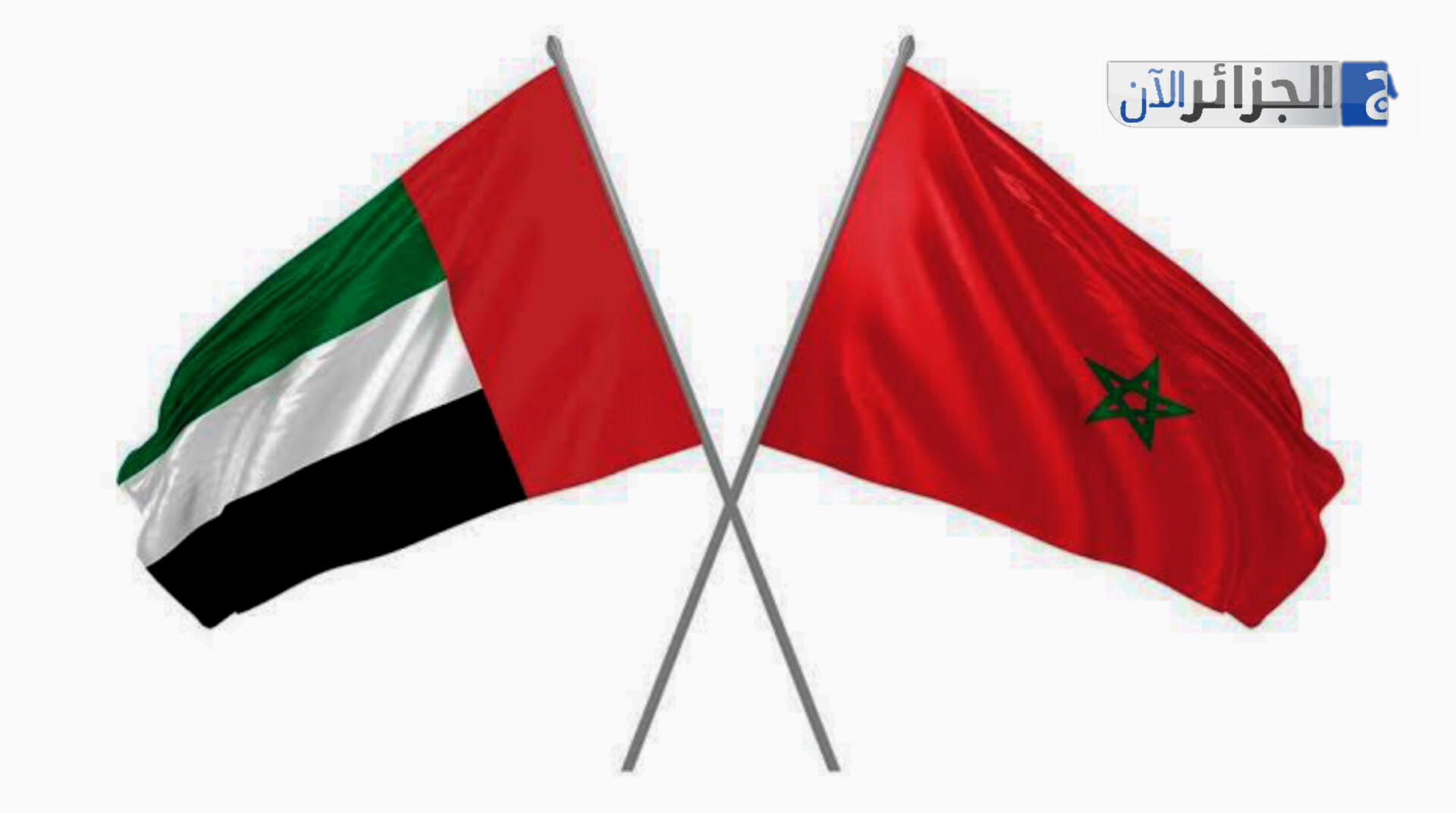
From Palestine to Somalia, a troubling trend is emerging: nations that have normalized relations with Israel are increasingly acting as a bulwark protecting the Zionist project. This shift raises serious questions about the allegiances and priorities of these states.
At a critical juncture where Arab and Islamic unity should be paramount in the face of perceived Israeli encroachment, Morocco, the United Arab Emirates, and Bahrain have chosen a different path. Their recent refusal to endorse a joint Arab and Islamic statement condemning Israel’s recognition of the breakaway ‘Somaliland’ region speaks volumes about their compromised position. This unprecedented move reveals a deep-seated political and moral dependence.
This is not an isolated incident or a mere technical diplomatic maneuver. It is a stark illustration of a harsh reality: these nations are no longer aligned with the broader Arab and Islamic consensus on key issues. Instead, they have become pliable instruments in the hands of the Zionist project, implementing its agenda, safeguarding its interests, and remaining silent on its transgressions, even if it means fragmenting the Arab world.
This pattern of systematic alignment is not new. The abstention from the Somalia statement is the latest in a series of questionable actions taken by these countries since signing controversial normalization agreements with Israel. Since then, Morocco, the UAE, and Bahrain have progressively distanced themselves from any collective Arab or Islamic stance that criticizes Israeli actions, regardless of their severity or the number of victims.
During the devastating conflict in Gaza, where thousands of civilians, predominantly women and children, perished, the Arab and Islamic world, despite its limitations, attempted to issue statements of condemnation. However, Morocco, the UAE, and Bahrain consistently hesitated, expressed reservations, or outright refused to condemn Israel unequivocally. As bodies were being pulled from the rubble, hospitals bombed, schools destroyed, and refugee camps incinerated, these nations were preoccupied with protecting Israel’s image.
The implications of this shift are far-reaching and demand careful scrutiny. The question remains: can these nations reconcile their normalization policies with their obligations to the broader Arab and Islamic world, or have they irrevocably chosen a different path?