Kosovo Holds General Elections Amid Political Stalemate
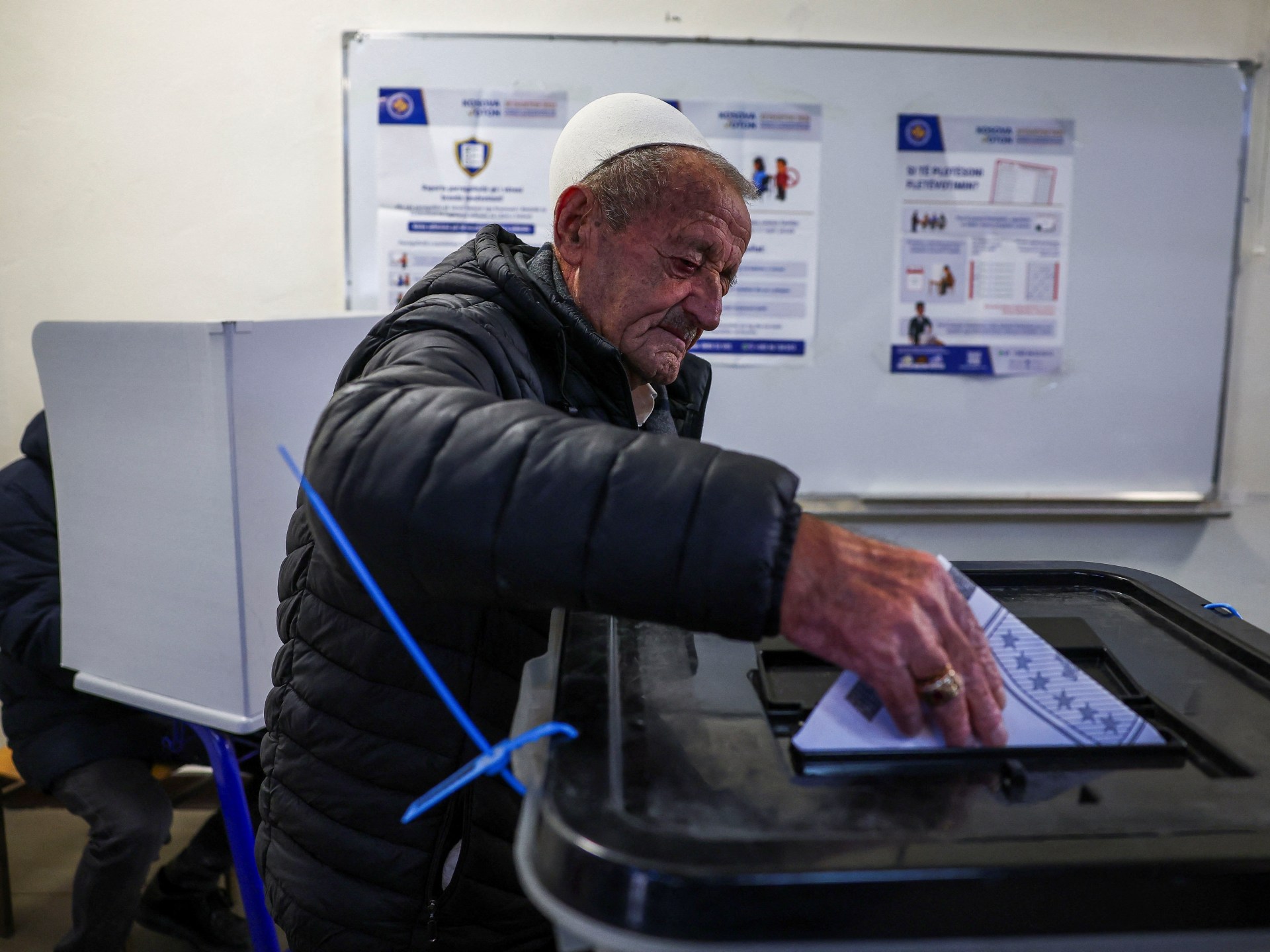
Pristina, Kosovo – Voters in Kosovo headed to the polls this Sunday to elect a new parliament, marking the second general election in the predominantly Muslim nation this year. Over two million Kosovars are eligible to vote, including tens of thousands registered abroad.
These elections are considered crucial as they take place against a backdrop of a severe political crisis that has paralyzed the parliament and delayed vital international funding. It is hoped that the outcome will break the political deadlock, pave the way for the election of a new president, and unlock significant loan agreements.
The political turmoil stems from the failure of the Vetëvendosje (Self-Determination) party, led by outgoing Prime Minister Albin Kurti, to secure a majority in the previous elections held in February. Opposition parties refused to form a coalition with Kurti, criticizing his handling of relations with Western allies and his approach to the ethnically divided north of Kosovo, where a Serbian minority resides. Kurti, in turn, blames the opposition for the impasse.
The deep parliamentary divisions resulted in lawmakers requiring over 50 sessions to elect their speaker, and repeated failed attempts to form a stable governing coalition. After months of unproductive negotiations, President Vjosa Osmani dissolved parliament in November and called for early elections.
The Vetëvendosje party, under the leadership of Albin Kurti, is a leading contender in this election. The party emerged as the frontrunner in the February 2025 elections, securing over 40% of the vote. However, the 48 seats won were insufficient to form a majority in the 120-seat parliament. In recent weeks, Kurti has focused his campaign on the economy, hoping to sway voters.
The stakes are high as Kosovo seeks a stable government to address pressing economic and social challenges. The international community is closely watching the election results and hoping for a swift resolution to the political uncertainty.