Syria’s Year One: Navigating Challenges After Assad’s Fall
Syria’s first year after the fall of Bashar al-Assad’s regime has been fraught with challenges, a complex tapestry woven with threads of liberation hopes and the harsh realities of a nation in transition. Despite significant changes, the political, security, and economic landscape remains volatile.
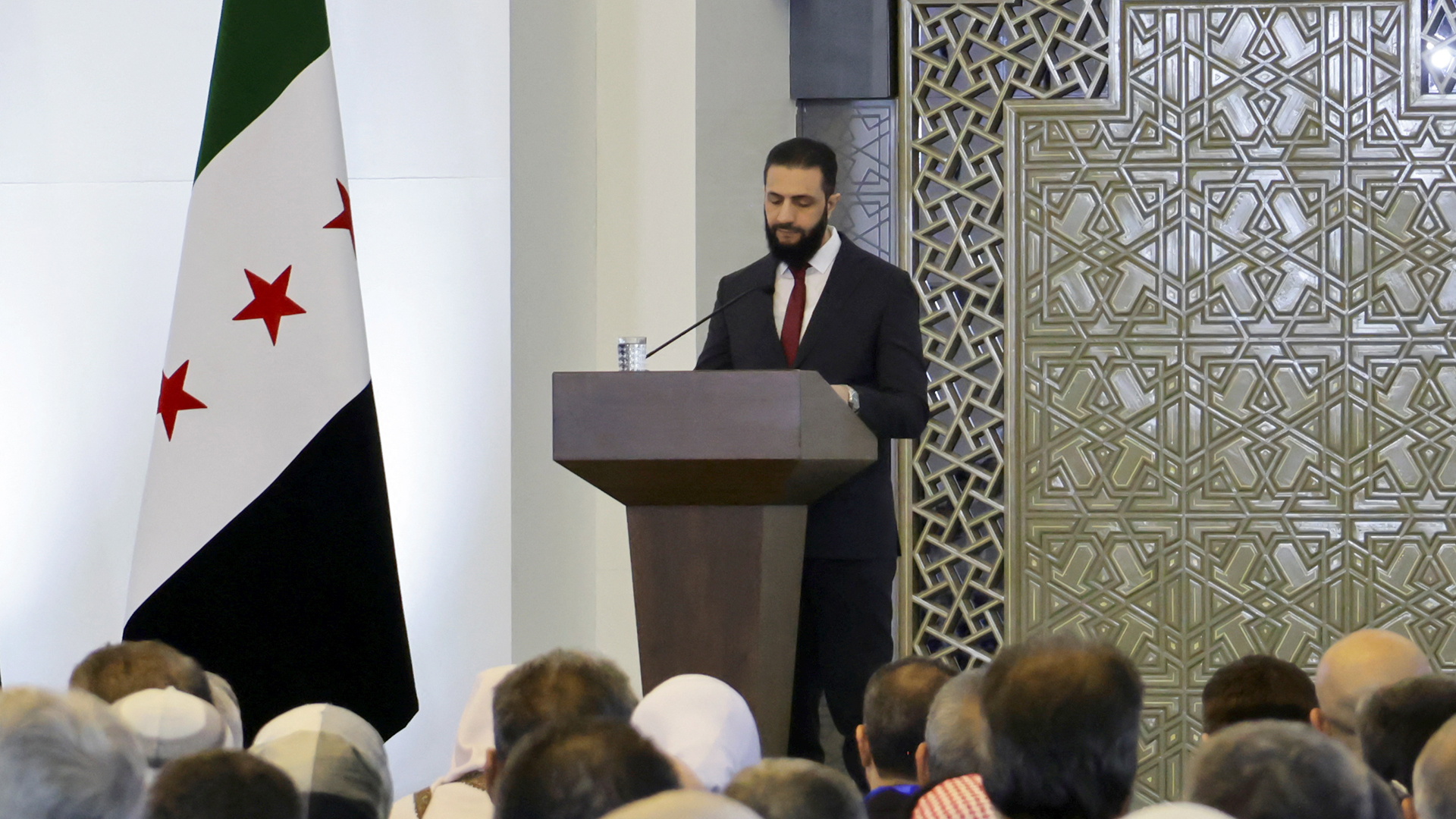
Under the leadership of President Ahmed al-Shara, Syria embarked on a transitional period, ending decades of Assad family rule. This new chapter promised liberation from the fear and oppression that had long gripped the Syrian people. However, this ‘new dawn’ quickly collided with the heavy legacy left behind by the ousted regime.
The Assad regime collapsed on December 8, 2024, following the ‘Deterrence of Aggression’ campaign. Assad fled the country, paving the way for a transitional government, a constitutional declaration, and parliamentary elections. But the challenges facing the nation quickly came to the forefront. National unity emerged as a primary concern, highlighted by events in the Syrian coast, where supporters of the former regime orchestrated a failed coup. This event tested the state’s ability to enforce justice.
According to the fact-finding committee, 238 security and military personnel were killed by remnants of the regime. The United Nations reported approximately 1,400 deaths, mostly civilians, during the coastal unrest. Tensions soon shifted to the southern region of Sweida, where violence erupted between local Druze factions and Bedouin tribes. Government intervention followed, but Syrian army and security forces were then subjected to Israeli shelling. The strikes extended to the vicinity of the Presidential Palace and the General Staff headquarters in Damascus, escalating tensions to unprecedented levels.
Israeli violations added further pressure. Beyond the shelling, Israel has occupied the buffer zone with Syria since the regime’s fall, with near-daily incursions both inside and outside the zone. In the northeast, the situation remains complicated, with stalled implementation of the agreement between the Syrian Presidency and the Syrian Democratic Forces (SDF). Negotiations have been accompanied by escalating tensions on the ground. Attacks by the Islamic State group have also increased, resulting in the deaths of Syrian soldiers.