Somaliland Minister Defends Ties with Israel Amidst Controversy
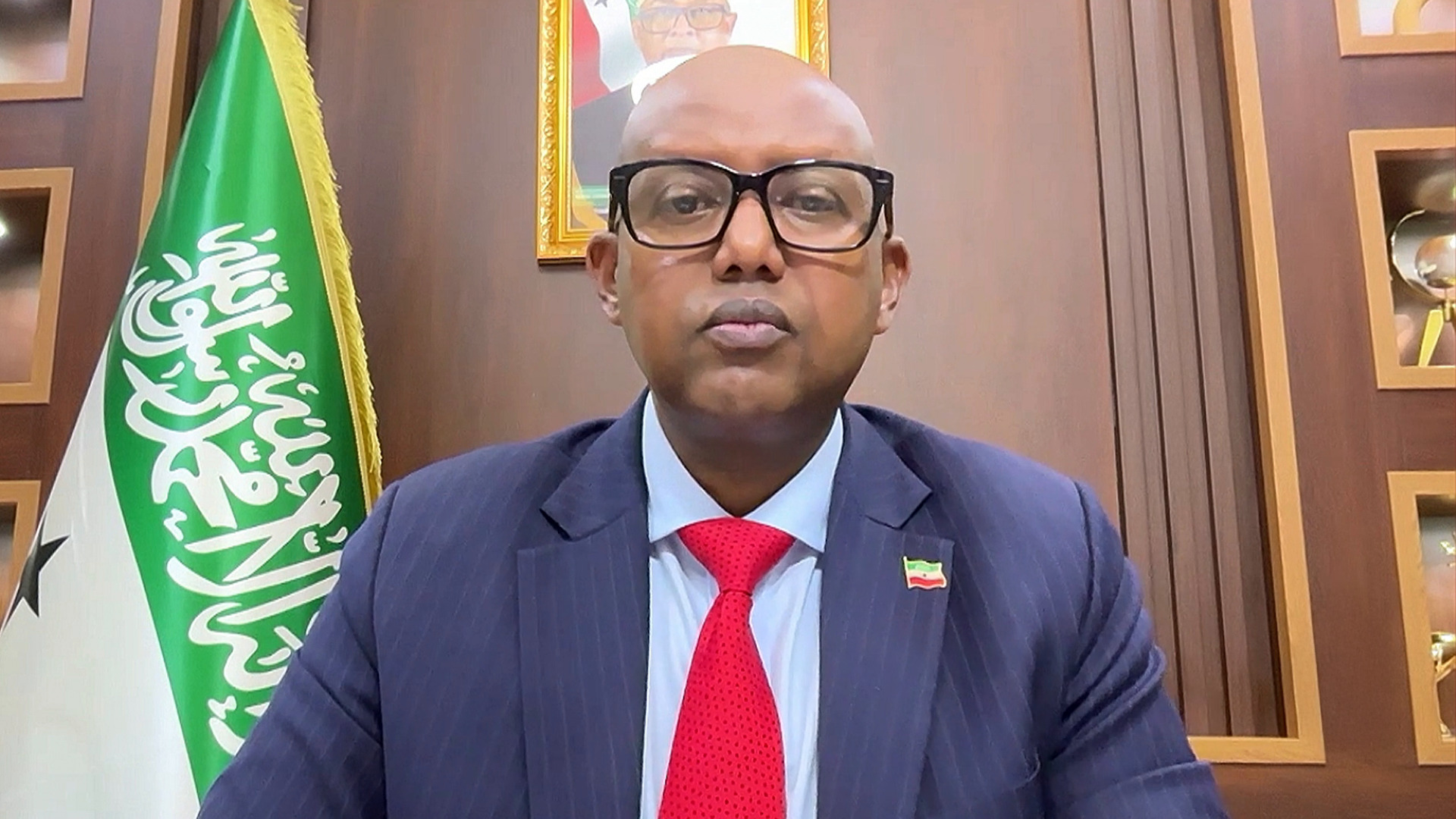
A high-ranking official from the self-declared Republic of Somaliland has defended the region’s burgeoning relationship with Israel, following Tel Aviv’s recent recognition of the territory. Khadar Hussein Abdi, Minister of the Presidency, stated that Israel’s decision was a sovereign political act and does not define Somaliland’s broader foreign policy objectives.
In an interview, Abdi asserted that Somaliland fulfills all the criteria of a functioning state, possessing a defined population, effective governance, and a clear territorial boundary. He suggested that recognition is simply a matter of timing and political calculations, a decision Israel chose to make while other nations prefer to wait.
“The absence of official recognition from other countries does not preclude future recognition,” Abdi emphasized, highlighting Somaliland’s existing positive relations with regional and international actors, including Djibouti, Ethiopia, the United States, the United Kingdom, the European Union, and several Arab nations. He characterized these relationships, cultivated over three decades, as a form of political and diplomatic engagement with the international community, with the hope they will eventually lead to formal recognition.
Addressing concerns regarding Arab and Islamic opposition to the Israeli announcement, the Minister stressed that Somaliland’s foreign policy is based on balance and mutual respect. He refuted allegations that the rapprochement with Israel is directed against Arab or Islamic states. “The Israeli recognition does not constitute an alliance against other parties and does not come at the expense of our identity or historical ties with the Arab and Islamic world,” he affirmed, describing the move as a sovereign decision between two entities.
Dismissing Somali warnings about Israel seeking a foothold near the Bab el-Mandeb Strait, Abdi denied any discussions about military bases. He clarified that the recognition is limited to diplomatic and related economic ties. He also commented on the United States’ disapproval of Israel’s announcement, suggesting that Washington is re-evaluating its strategy in Somalia after three decades of investment without achieving tangible stability.
Abdi concluded by emphasizing that Somaliland, unlike the central government in Mogadishu, has successfully built institutions and conducted elections, presenting a “new reality” that the international community must acknowledge.