
Netanyahu’s US Visit: Coordination or Escalation?
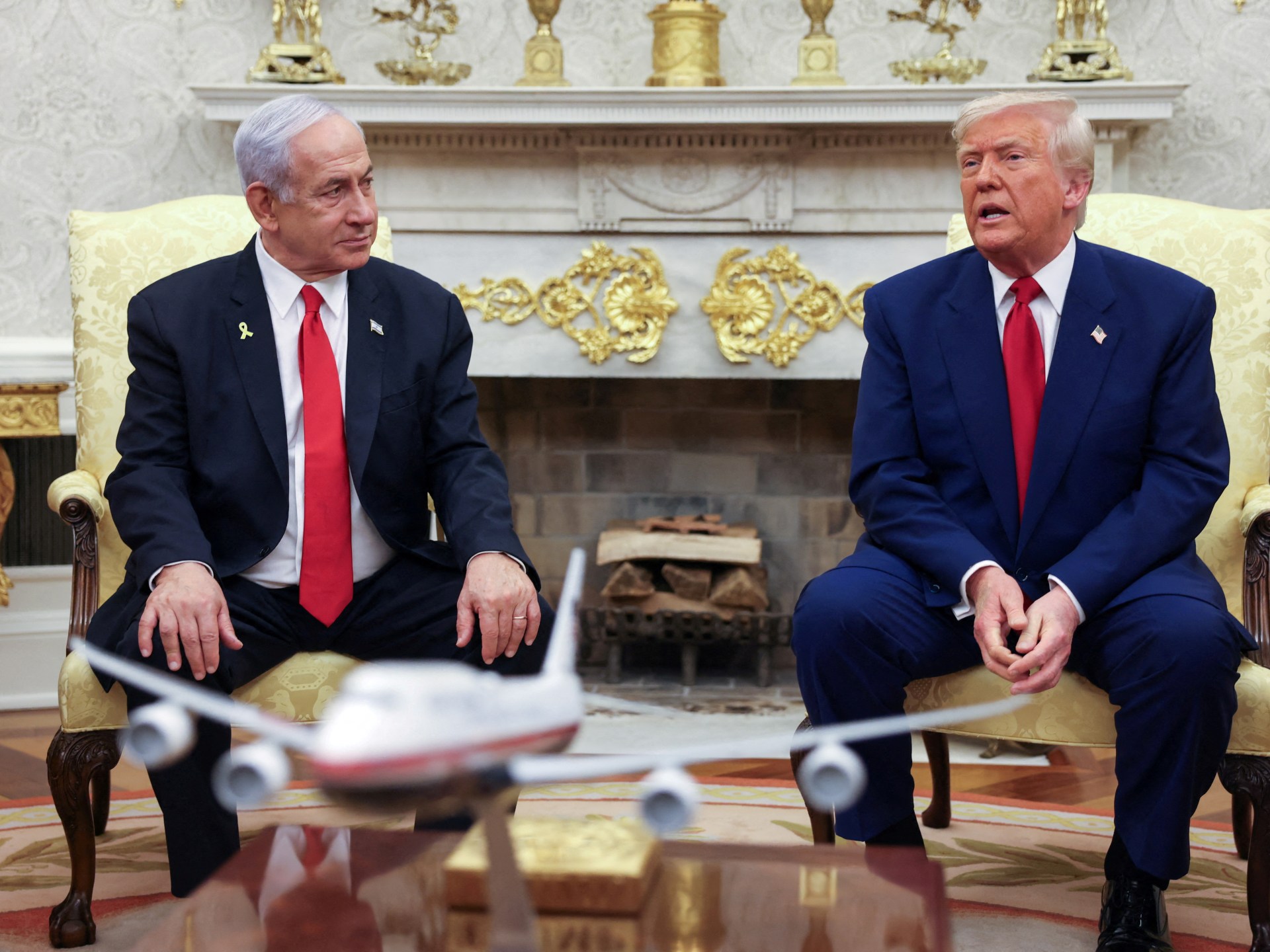
Israeli Prime Minister Benjamin Netanyahu’s visit to Florida, beginning yesterday, arrives amidst intense political and diplomatic activity. High on the agenda are the ongoing developments in the Gaza Strip and the potential for regional escalation involving Iran and Lebanon. Questions are being raised about the ability of Washington, under Donald Trump, to hold Israel accountable to its commitments.
Netanyahu is scheduled to hold preliminary meetings with US officials before his meeting with Trump. However, reports suggest a strained relationship with several senior officials in Washington, who allegedly accuse him of deliberately undermining the Gaza agreement. There are also reports of tension with Vice President J.D. Vance and a cooling relationship with Secretary of State Marco Rubio, although some analysts believe Rubio’s right-leaning views will keep him closer to Israel.
Two main issues are expected to dominate the discussions. Firstly, the possibility of Israel receiving a green light from the US for a new strike against Iran. This is particularly relevant given the recent deployment of the ‘Iron Beam’ laser-based missile defense system. If proven effective, this system could embolden Israel to engage in a new confrontation with Tehran, following what it perceives as a failure to decisively win the 12-day conflict last June.
Secondly, the situation in Gaza will be a key focus, especially in light of discussions about establishing new settlements in the northern part of the Gaza Strip. The international community is watching closely to see how these discussions will unfold and what impact they will have on the region’s stability.
This visit is critical in determining the future trajectory of US-Israeli relations and its impact on regional security. The outcome of these discussions could either pave the way for increased coordination or, conversely, contribute to further escalation in an already volatile region.