Coastal Unrest: Who’s Pressuring Damascus & How?
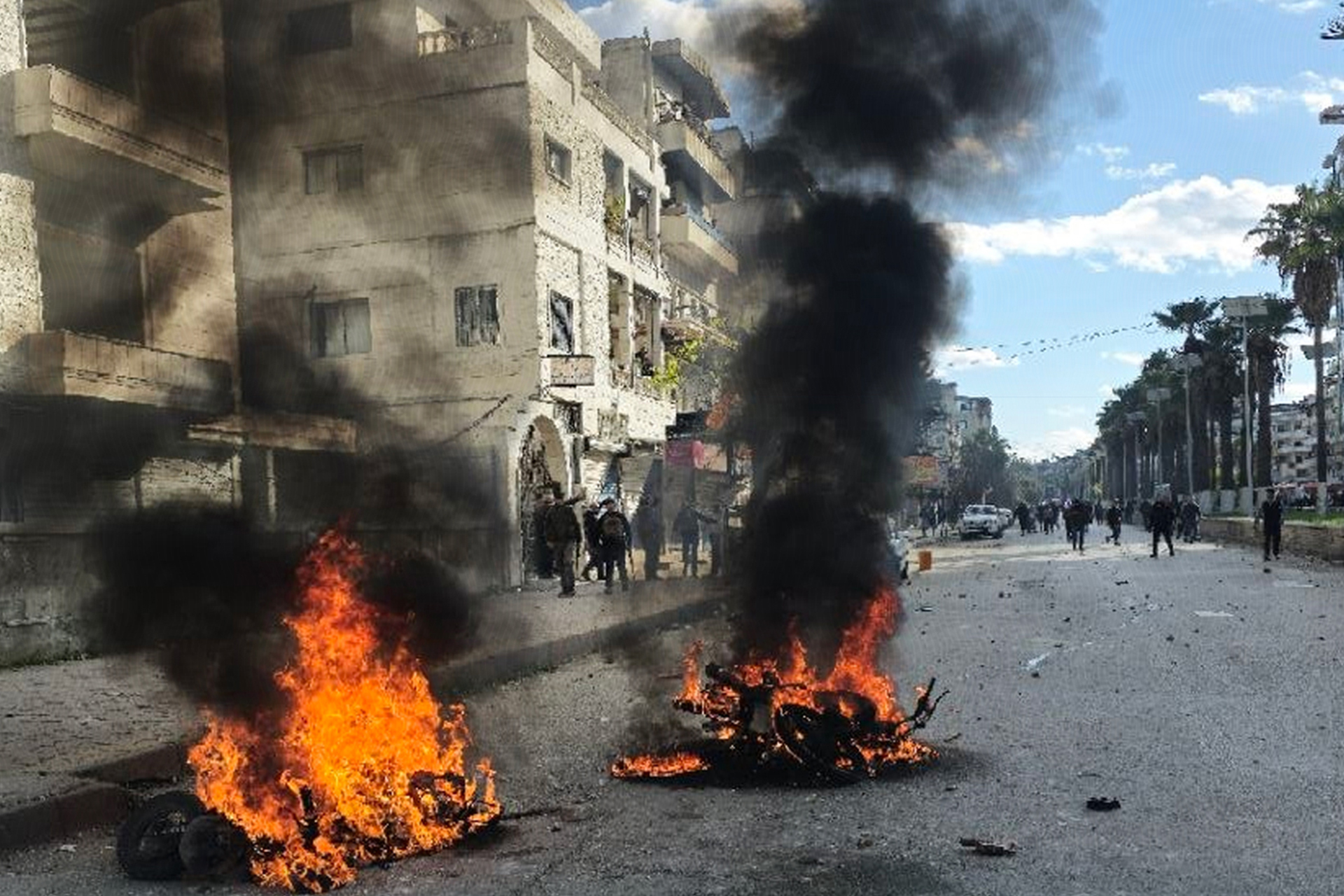
Recent events along the Syrian coast, marked by protests and violence, have sparked crucial questions regarding their true nature and underlying motives. Are these events a genuine expression of internal discontent, or a calculated attempt to destabilize the region?
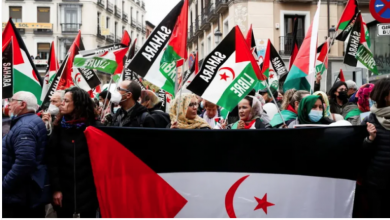
The cities of Latakia, Jableh, and Tartus witnessed simultaneous protests that, according to the official SANA news agency, resulted in three deaths and approximately 60 injuries, attributed to attacks by remnants of the ousted regime.
Some protesters voiced demands including calls for autonomy and political federalism in the Syrian coastal region, an end to alleged sectarian abuses, and the release of detainees held by the forces of Bashar al-Assad. These demands were reportedly made in response to Ghazal Ghazal, the head of the self-proclaimed Supreme Alawi Islamic Council in Syria and abroad.
Representation Disputes
Writer and political analyst Muayyad Ghazlan Qablawi argues that these movements do not represent the Alawi community or the residents of the coast. He suggests that the calls for demonstrations originated from outside Syria, orchestrated by Ghazal Ghazal, with implicit instructions to use violence to solidify protest positions.
Qablawi believes that these events represent an attempt by a political faction to monopolize representation of the coast, despite its diverse composition. He emphasizes that the region cannot be politically or geographically reduced to a single entity.
He connected the timing of the events to the bombing of a mosque in Homs just days prior, as well as the increasing calls for decentralization, suggesting that these actions are part of a coordinated effort by a “coalition benefiting from destabilization” to disrupt the Syrian landscape during periods of political uncertainty.
Clashing Interests
Liqa Makki, a senior researcher at the Al Jazeera Center for Studies, views the events as a “typical operation to incite chaos” that was pre-planned, rather than spontaneous protests. Makki points to media reports suggesting activity by remnants of the regime abroad and a potential regional role, amidst conflicting interests and pressures related to domestic and regional issues.
He further suggests that the government’s response to these events is governed by a fear of using security forces on the coast, fearing accusations of sectarian bias.