Algeria: A Martian Life Springboard?
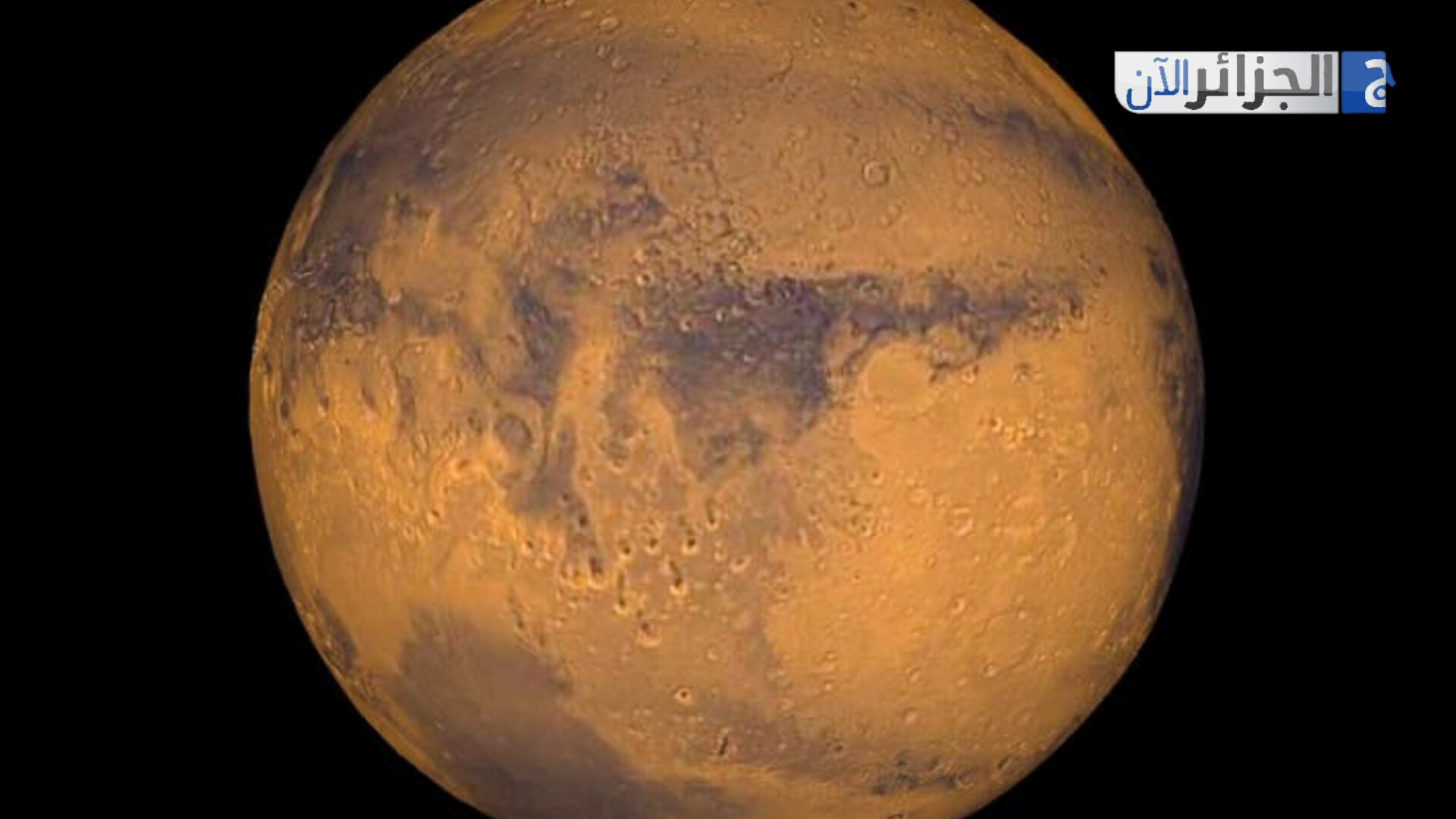
Sidi Bel Abbès, Algeria – In an unassuming corner of Algeria, far from tourist hotspots and headline news, lies a scientific possibility that could redefine humanity’s understanding of life beyond Earth. The key, or at least a significant clue, may be hidden within the gypsum quarries of Sidi Boutbal, in the Sidi Bel Abbès province.
Here, where the Mediterranean Sea once stretched millions of years ago, the evaporation of water led to the formation of gypsum. Today, this gypsum is the focus of an international scientific study, spearheaded by Algerian researchers, including Dr. Youssef Salam. This research isn’t just looking at Earth’s history; it’s peering directly at Mars.
The scientific basis of this study isn’t based on wild speculation, but on a seemingly simple mineral: gypsum. This sulfate mineral is abundant on the surface of Mars, much like in certain regions of Earth. Its significance lies in its rapid formation, allowing it to encapsulate microorganisms within its structure before they decompose.
According to research published in Frontiers in Astronomy and Space Sciences, gypsum extracted from Sidi Boutbal contains delicate fossil filaments, accompanied by minerals like dolomite, pyrite, and clay. Geologists recognize these combinations as strong indicators of ancient microbial activity. In essence, this gypsum preserves a miniature biological record, remarkably similar to what scientists are currently searching for on the Red Planet.
The study extends beyond microscopic observation, employing advanced technology originally designed for space missions. The research team utilized a laser ablation inductively coupled plasma mass spectrometer (LA-ICP-MS), a compact device capable of analyzing the molecular composition of samples with high precision. It works by vaporizing a minuscule portion of the sample and transforming it into plasma.
The significance here lies not only in the findings but also in the potential to transfer this technology to Mars itself. Dr. Salam emphasizes that this type of instrument could be integrated into future rovers, enabling the direct detection of biosignatures on the Martian surface, without relying solely on sample collection and return missions. This groundbreaking research positions Algeria at the forefront of the search for extraterrestrial life.