Escalation in Eastern Yemen: Hadramout and Al Mahrah in Focus
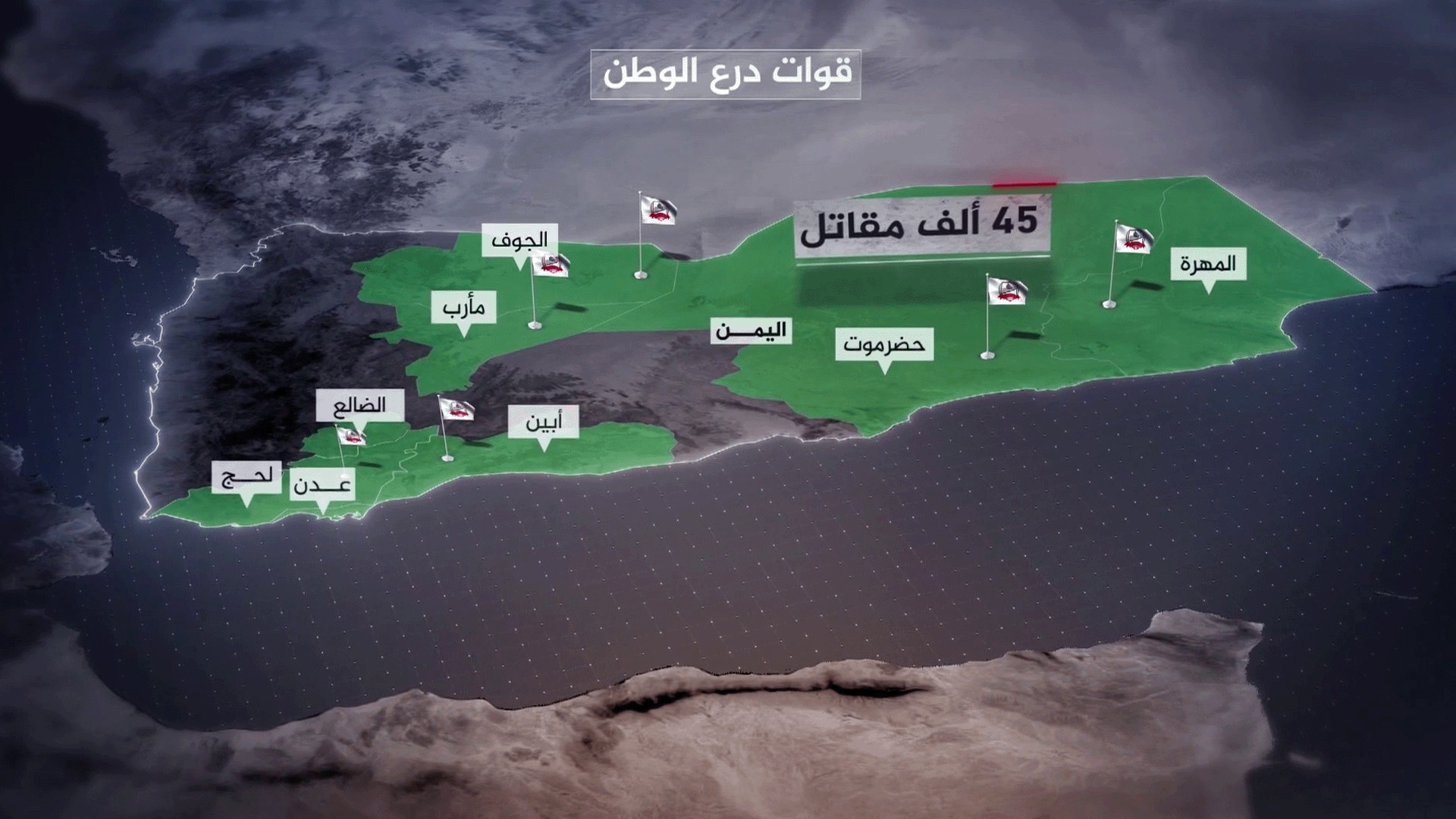
Eastern Yemen has witnessed a concerning escalation of tensions in recent months, particularly in the governorates of Hadramout and Al Mahrah. The convergence of political and security interests, coupled with increasing competition among local actors for influence and resources, has reshaped the balance of power in the region. These developments have occurred against a backdrop of unresolved disputes concerning the future of the two governorates, fueled by conflicting political agendas and local demands. Regional and international observers are increasingly worried that the situation could spiral into a broader, uncontrollable conflict.
The roots of the tension in Hadramout can be traced back to 2023, with growing signs of political and military friction over the management of oil resources and the nature of local governance. This underlying tension gradually transformed from political disagreements into tangible actions that exacerbated polarization. In June 2024, the Hadramout Tribal Alliance announced the formation of a military force, the “Hadramout Protection Forces,” which deployed across several districts in Wadi Hadramout, establishing its headquarters in the Al-Hadhaba region. The Alliance stated that this move was intended to protect the governorate and secure its resources.
The Escalation of Confrontation
The situation entered a more volatile phase in November 2025, with escalating clashes between the Hadramout Protection Forces and the Security Support Forces affiliated with the Southern Transitional Council (STC), particularly in the oil-rich Al-Hadhaba region. On November 27th, the Hadramout Tribal Alliance held a large, extraordinary meeting in the Al-Alib area of Al-Hadhaba, bringing together tribal sheikhs and dignitaries. The meeting resulted in a mandate for the Hadramout Protection Forces to confront what the Alliance described as “forces coming from outside the governorate,” accusing the STC of orchestrating military build-ups in the area.
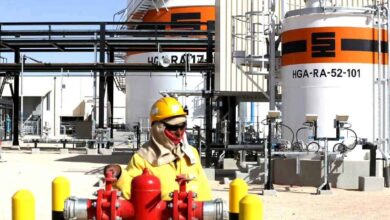
Two days later, the Alliance announced its control over the facilities at the Al-Massila oil fields, asserting that this step was taken to enhance security, protect national resources, and prevent any interference or aggression. The STC has since intensified its own movements in response. On November 30th, the STC organized a large public demonstration.