Iranian Drones in Syria: How Did They Reach SDF Forces?
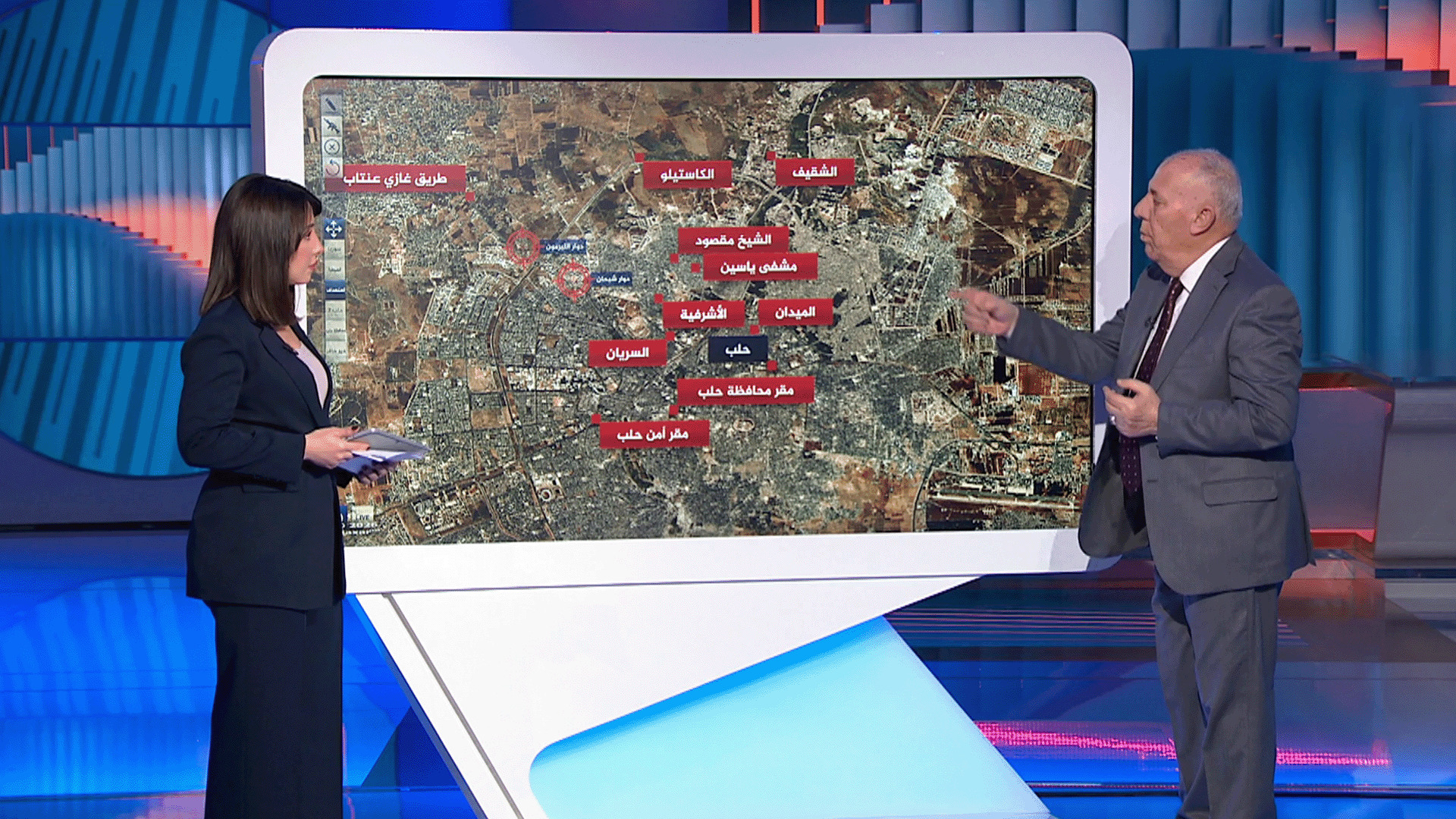
The recent use of unmanned aerial vehicles (UAVs) in Aleppo has occurred at a critical juncture, coinciding with the nearing resolution of the Sheikh Maqsoud district situation. This is according to military and strategic expert General Fayez al-Duwairi, who notes the increased pressure on the last strongholds of the Syrian Democratic Forces (SDF) within the city.
In his military analysis, al-Duwairi explained that government forces now control the majority of the district, leaving only the Yassin Hospital and surrounding tunnels under SDF control. He anticipates the situation will conclude either with surrender or a full-scale military assault.
This development unfolds amidst reports of UAV strikes targeting the Aleppo Governorate building and security headquarters. Simultaneously, the Syrian Army announced a halt to its operations in Sheikh Maqsoud, accusing the SDF of deploying Iranian-made drones in the attacks.
Al-Duwairi further emphasized that the impact of the drone launches extends beyond Aleppo, broadening the military focus to encompass four SDF strongholds: Deir Hafer, Manbij, Raqqa, and al-Tabqa, all situated within the Syrian Desert region. He noted that precautionary measures have already been implemented, including the closure of supply routes, particularly the road connecting Deir ez-Zor and Raqqa, in an effort to prevent the arrival of reinforcements that could alter the balance of power.
These events are unfolding against a backdrop of conflicting narratives between the Syrian Army and the SDF, regarding both the withdrawal of fighters from Sheikh Maqsoud and the ongoing clashes and the use of UAVs against civilian and government targets.
Regarding the origin of the drones, al-Duwairi explained that the Iranian presence in areas such as Deir Hafer, Manbij, and al-Mayadin for several years has facilitated the delivery of this type of weaponry to the SDF, citing prior field cooperation between the two sides. He pointed out that the “Ali bin Abi Talib” base in al-Mayadin was one of the most prominent Iranian bases in eastern Syria, making the transfer of drones from those areas to the north of the country logistically and technically feasible.
Concerning the operational mechanism, al-Duwairi stated that operating these types of drones does not require significant complexity, as brief training is sufficient for specialized personnel, especially since some operate on autopilot systems.