Justice Dept. Opens Criminal Probe into Fed Chair
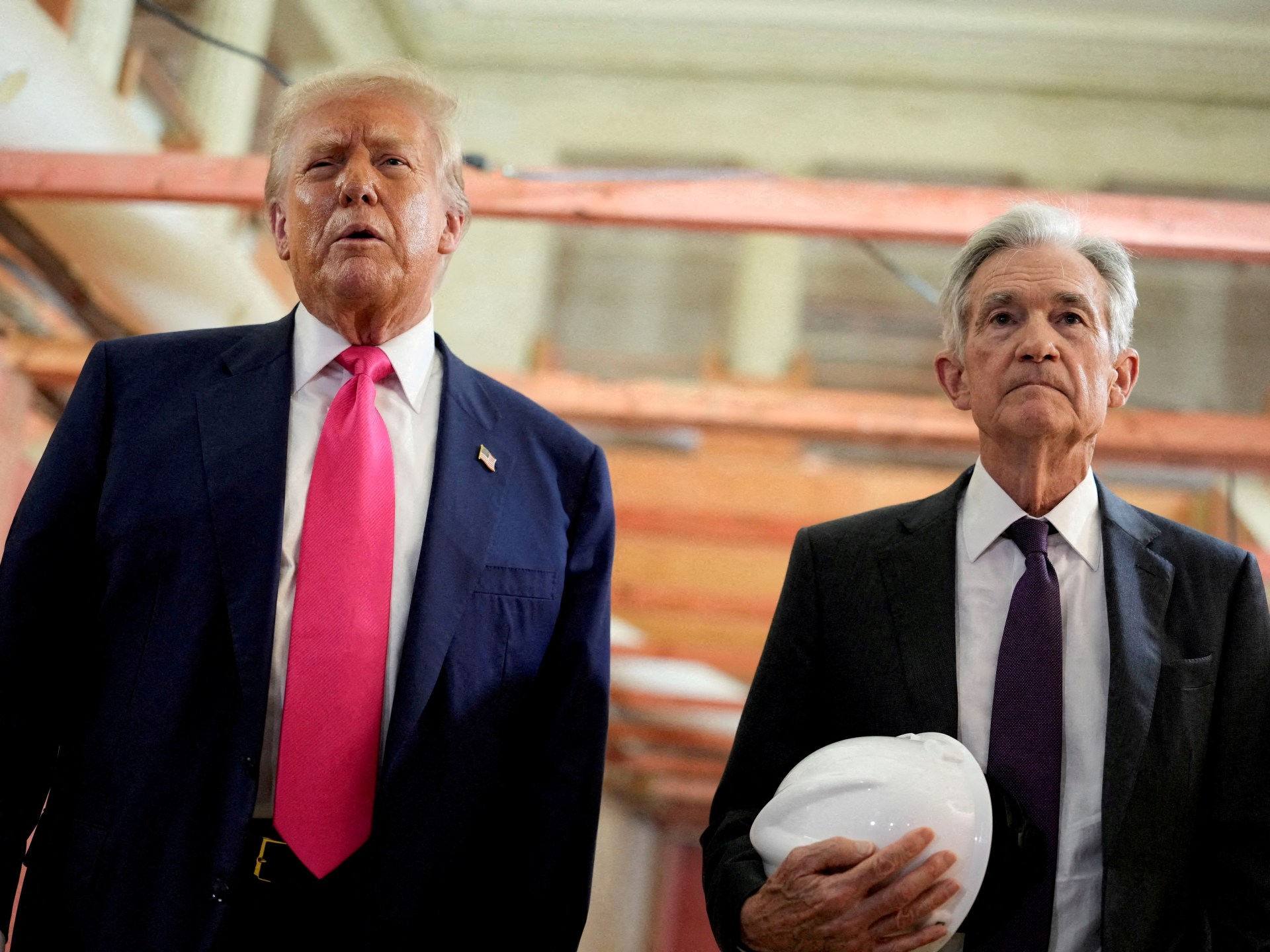
The U.S. Department of Justice has reportedly launched a criminal investigation into Federal Reserve Chairman Jerome Powell, escalating tensions surrounding the central bank’s independence. The probe, according to sources familiar with the matter, centers on the Federal Reserve’s headquarters renovation project in Washington D.C.
Chairman Powell has publicly addressed the investigation, stating that the Justice Department has issued subpoenas to the Federal Reserve and threatened him with criminal charges related to his testimony before Congress. He characterized the move as part of a pressure campaign by President Trump, who has repeatedly criticized the Fed’s monetary policy.
“The threat of criminal charges stems from the Federal Reserve setting interest rates based on our best assessment of what serves the people, rather than following the President’s preferences,” Powell stated in a released statement.
The Justice Department has declined to comment directly on the specific case. However, a statement released by the department noted that Attorney General Pam Bondi has “instructed U.S. Attorneys to prioritize investigating any misuse of taxpayer funds.”
This development marks a significant escalation in President Trump’s ongoing battle with the Federal Reserve. The President has often attacked the independent agency for not lowering the key interest rate as aggressively as he desires. The investigation reportedly stems from Powell’s testimony before the Senate Banking Committee last June regarding a $2.5 billion renovation project of two Federal Reserve administrative buildings – a project President Trump has publicly criticized as excessive spending.
President Trump has repeatedly voiced his disapproval of Chairman Powell’s performance and has even suggested delaying the announcement of his nominee for the next Fed chair. Powell’s term as chairman concludes at the end of May, although he could remain on the Board of Governors for an additional two years. The investigation adds another layer of uncertainty to the already complex landscape of U.S. monetary policy. The independence of the Federal Reserve is now being questioned.