US Developing New Bunker-Busting Bomb, Report Reveals
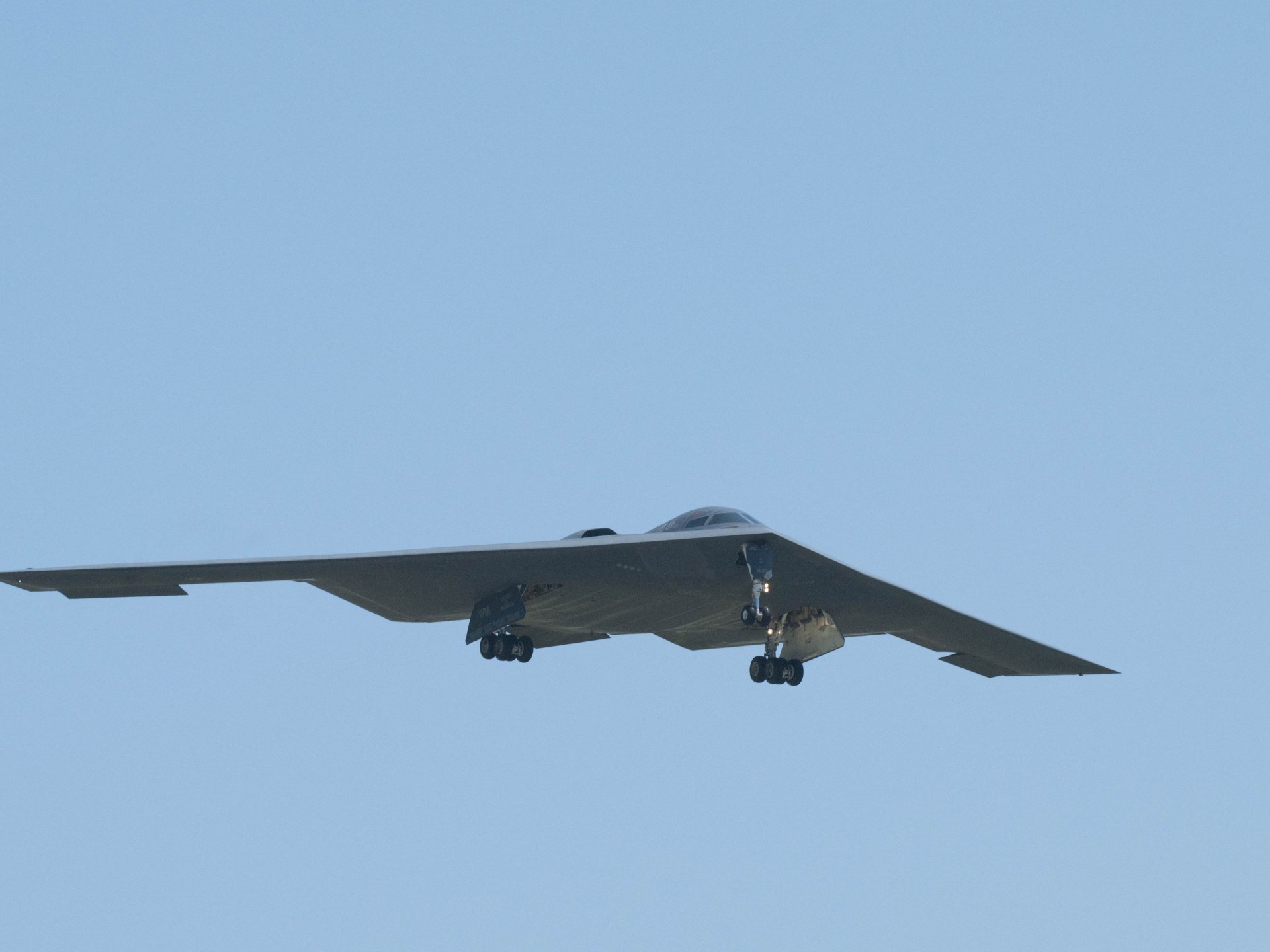
A new report suggests the United States is developing a next-generation bunker-busting bomb designed to penetrate and destroy even the most heavily fortified underground facilities. The weapon is reportedly intended to surpass the capabilities of the Massive Ordnance Penetrator (MOP), also known as the GBU-57, by reaching greater depths and defeating hardened concrete structures.
The report indicates that the Pentagon has been tasked with creating a larger, more advanced version of the MOP. This new weapon, tentatively named NGP (Next Generation Penetrator), is designed to access targets that are currently beyond the reach of existing bunker-buster bombs.
According to the report, the NGP represents a significant leap forward in the ability to target underground bunkers, missile silos, and command centers buried beneath layers of rock and reinforced concrete. The weapon is being developed with the aim of evading modern defense systems, making it a more reliable and effective tool.
The development of this new weapon raises questions about its potential use. While the MOP was initially designed to target military facilities in North Korea, it has also been considered for use against nuclear sites in Iran. The new NGP could potentially be used in similar scenarios, or against other heavily fortified targets around the world.
Bunker-busting bombs are often seen as a deterrent, but they can also be a precursor to the use of tactical nuclear weapons. The goal is to combine penetration capabilities, guidance autonomy, and the ability to survive in hostile environments.
The development of the NGP highlights the ongoing arms race between offensive and defensive technologies. As nations build more sophisticated underground facilities, others are developing more powerful weapons to penetrate them.