New Rules for Travel Allowance Payments in Dinars Announced
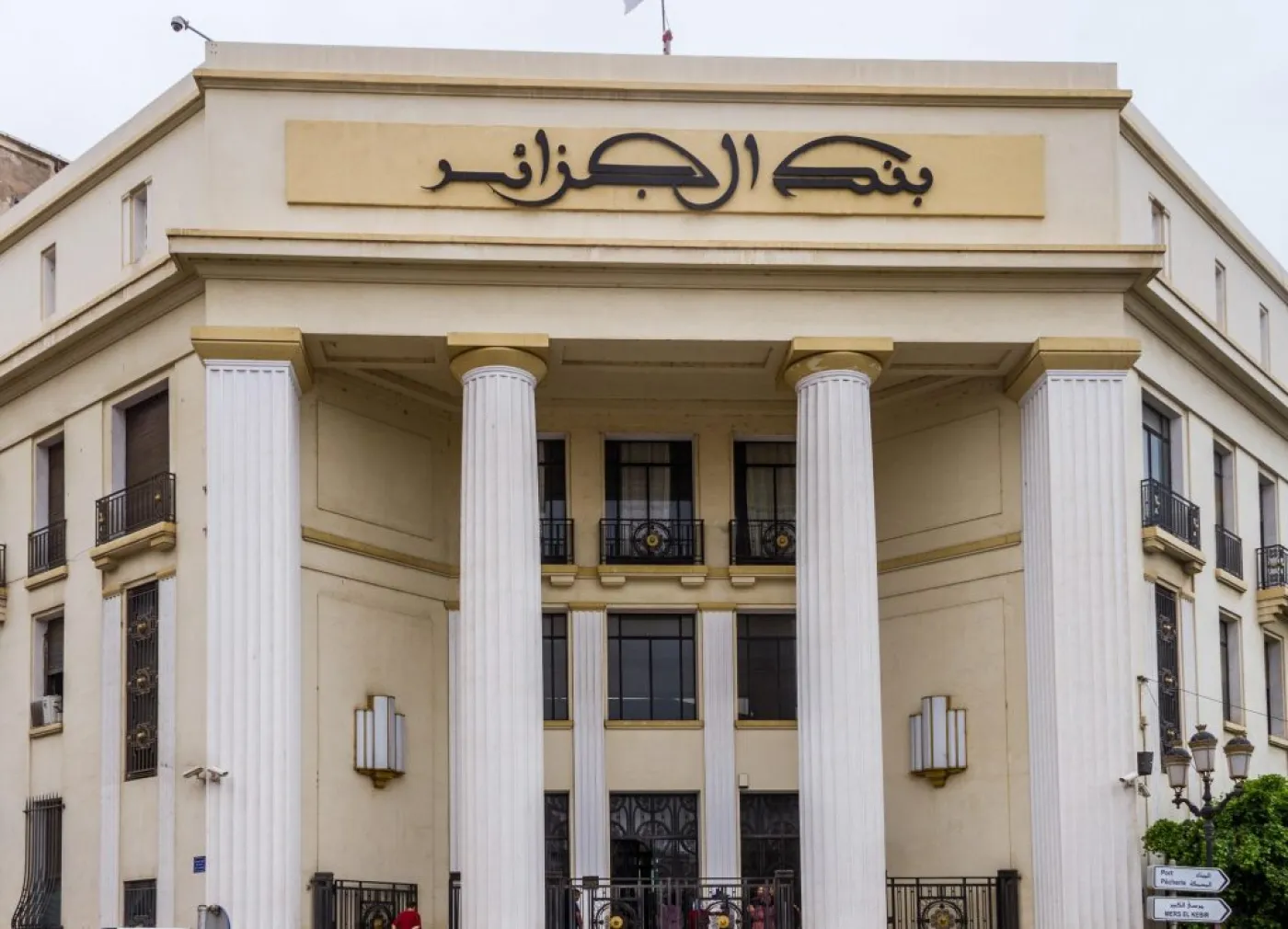
Algiers, December 16, 2025 – The Bank of Algeria has issued new directives concerning the payment of travel allowances in Algerian dinars. These changes aim to streamline the process and ensure that the allowance benefits genuine travelers.
Two memos, dated December 15th and 16th, were distributed to banks outlining the updated procedures. The first memo, signed by the General Inspector of the Bank, emphasizes strict adherence to Instruction No. 05-2025, particularly Article 10. It mandates a thorough assessment of the beneficiary’s ability to cover the allowance, either from their own funds or on behalf of related individuals.
According to the new regulations, access to the travel allowance is now contingent upon the applicant possessing a bank account. Banks are instructed to implement enhanced due diligence measures, including rigorous Know Your Customer (KYC) protocols, identity verification, and a comprehensive evaluation of transaction consistency with the account holder’s profile. Payments must be made exclusively through bank-issued instruments, such as debit cards, bank checks, or other authorized written payment methods. Cash payments are strictly prohibited.
Furthermore, beneficiaries who stay abroad for less than seven days are required to reimburse the received allowance. Failure to do so will result in the forfeiture of travel allowance eligibility for a period of five years, in addition to potential legal repercussions. These measures are designed to guarantee that the allowance is allocated solely to legitimate travelers, thereby improving the efficiency and security of the system.
The second memo, signed by the Director General of Foreign Exchange, clarifies that only banks are authorized to collect the dinar equivalent of the allowance. Payments must be made directly by the beneficiary or a resident citizen acting on behalf of their spouse or dependents, as stipulated in Article 5 of Instruction No. 05-2025. The Central Bank indicated that these amendments are intended to optimize payment channels, empower banks to better manage financial flows related to the travel allowance, and require banks to implement necessary mechanisms to ensure the smooth operation of these procedures. These new measures are expected to enhance transparency and prevent abuse of the travel allowance system.