World Adapts to Unreliable America, Analyst Claims
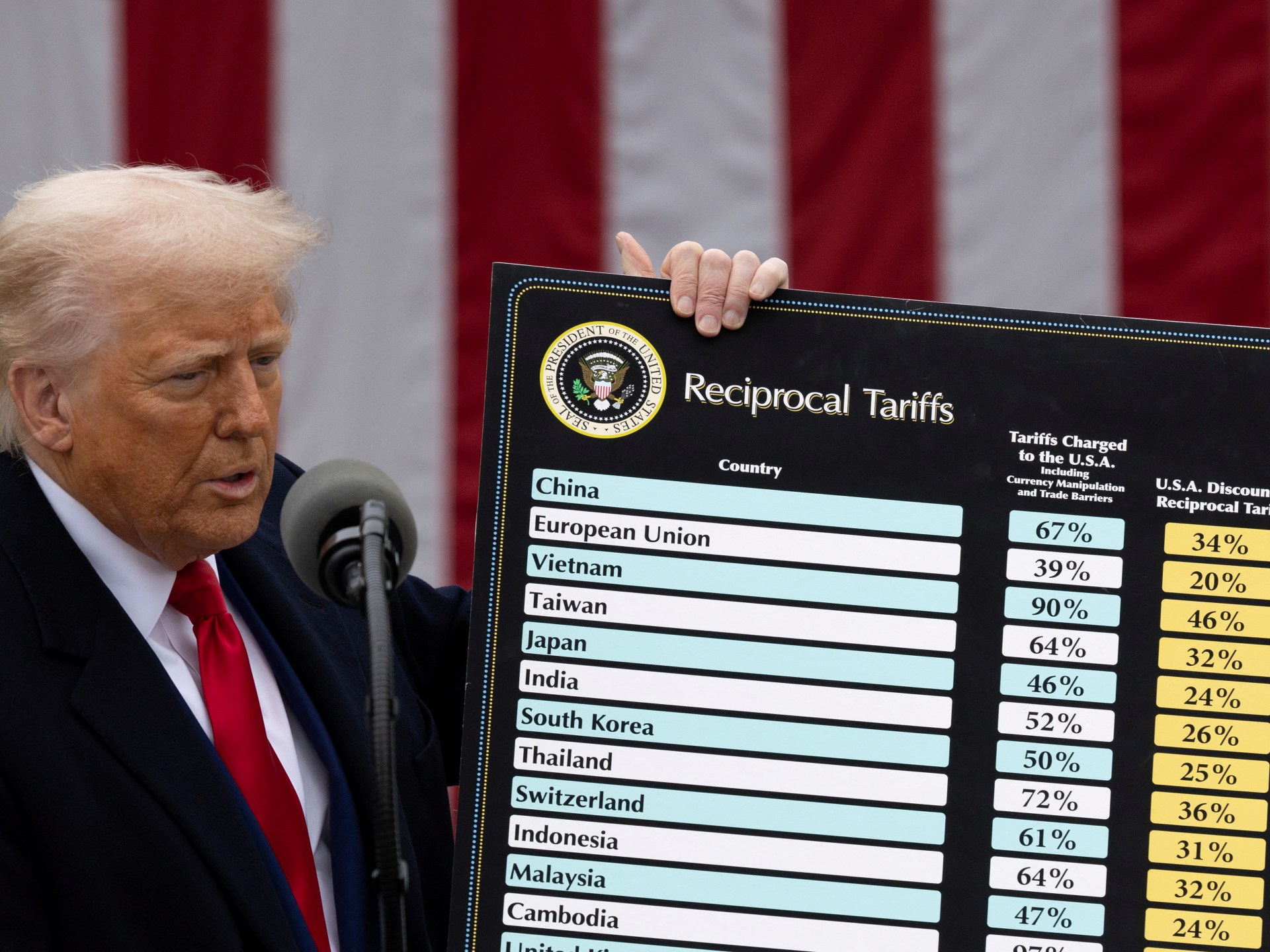
Global actors are adjusting to a new reality where the United States is no longer seen as a reliable and predictable partner, according to American author Fareed Zakaria. He argues that the world is learning to navigate a landscape where Washington’s actions are increasingly uncertain.
In a recent opinion piece, Zakaria highlights how Europe, often perceived as divided and strategically inert, has demonstrated resilience and shrewdness in its dealings with the U.S. over the past year. He points out that when the U.S. administration, under President Trump, reintroduced near-century-high tariffs, many anticipated retaliatory measures from Europe, potentially triggering a full-blown trade war.
However, Europe resisted the urge to escalate. Instead, it absorbed the pressure, avoided confrontation, and bought time, preventing the global economy from teetering on the brink of collapse. This calculated approach underscores a shift in how other nations are responding to perceived American unpredictability.
The European Union’s recent agreement on a comprehensive trade deal with Brazil, Argentina, Paraguay, and Uruguay, after 25 years of stalled negotiations, exemplifies this adaptive strategy. This agreement will establish one of the world’s largest free trade areas by population, encompassing over 700 million people. This signals a clear move towards diversifying economic partnerships and reducing reliance on any single nation.
Furthermore, Europe and China have recently resolved a series of trade disputes concerning electric vehicles, government subsidies, and market access, averting a potentially wider conflict. Zakaria notes that while Europe remains wary of China’s industrial policies and political system, it now views Beijing as an indispensable partner.
The EU has also intensified its engagement with Southeast Asia, forging trade agreements with Singapore and Vietnam and seeking further partnerships in a region that represents its third-largest trading partner. Canada, similarly, is reassessing its relationship with the U.S. in response to tariffs and threats to renegotiate existing agreements. These developments indicate a broader trend of nations hedging their bets and seeking alternative alliances in response to perceived American volatility.