
From Louisiana to Greenland: A History of US Land Acquisitions
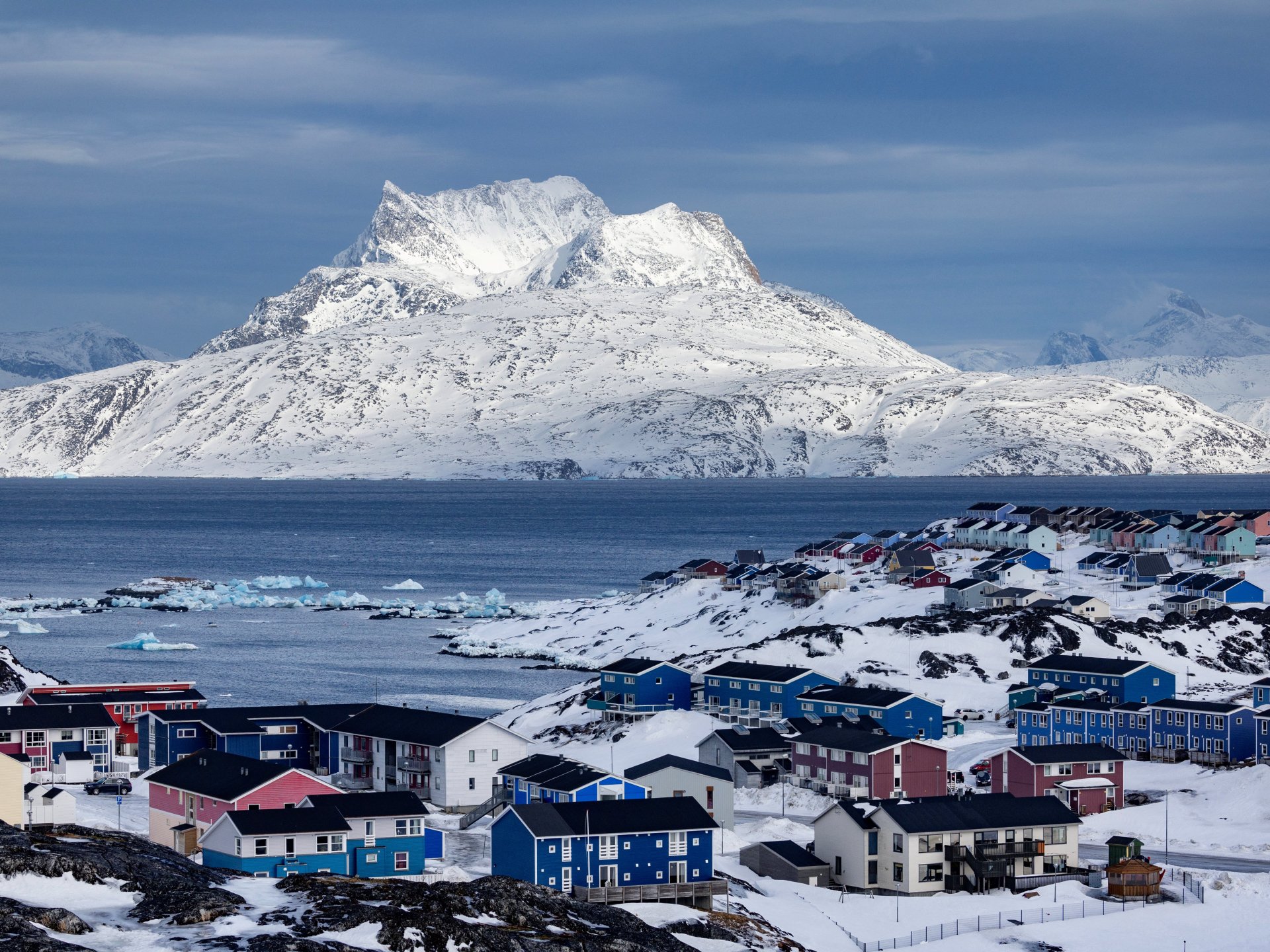
President Trump’s past interest in acquiring Greenland from Denmark aligns with a long-standing American tradition: the strategic purchase of territory. While the prospect of buying Greenland generated significant discussion, it’s important to remember this wouldn’t be the first time the United States has expanded its borders through acquisition. Here’s a look at some key historical examples.
The Louisiana Purchase (1803): Perhaps the most significant land deal in American history, the Louisiana Purchase saw France, under Napoleon Bonaparte, cede over 2.1 million square kilometers of land to the United States for $15 million. Driven by financial constraints and strategic considerations, Napoleon’s decision effectively doubled the size of the young American nation, which then comprised only 17 states. This acquisition proved crucial for westward expansion and solidified America’s position on the continent.
Alaska (1867): Following setbacks in the Crimean War against England, France, and Turkey, the Russian Empire opted to sell its vast territory of Alaska, spanning 1.6 million square kilometers, to the United States for $7.2 million. This purchase, initially ridiculed by some as “Seward’s Folly,” ultimately proved to be a shrewd investment, yielding immense natural resources and strategic advantages.
The Virgin Islands (1917): Amidst the turmoil of World War I, the United States seized an opportunity to purchase the Virgin Islands from Denmark for $25 million. Located in the Caribbean Sea, these islands provided a valuable strategic foothold in the region, enhancing American naval power and influence.
The Greenland Context: It is important to note that in recent years, there have been reports suggesting US officials explored various incentives, including direct financial payments to Greenland residents, to encourage a potential separation from Denmark. Greenland’s strategic location in the Arctic, coupled with its natural resources, makes it a focal point in the growing competition between the United States, Russia, and China, especially as these powers increase their activities in the Arctic region due to melting ice caps.