Israel Obstructs Lebanon Ceasefire Mechanism: Why?
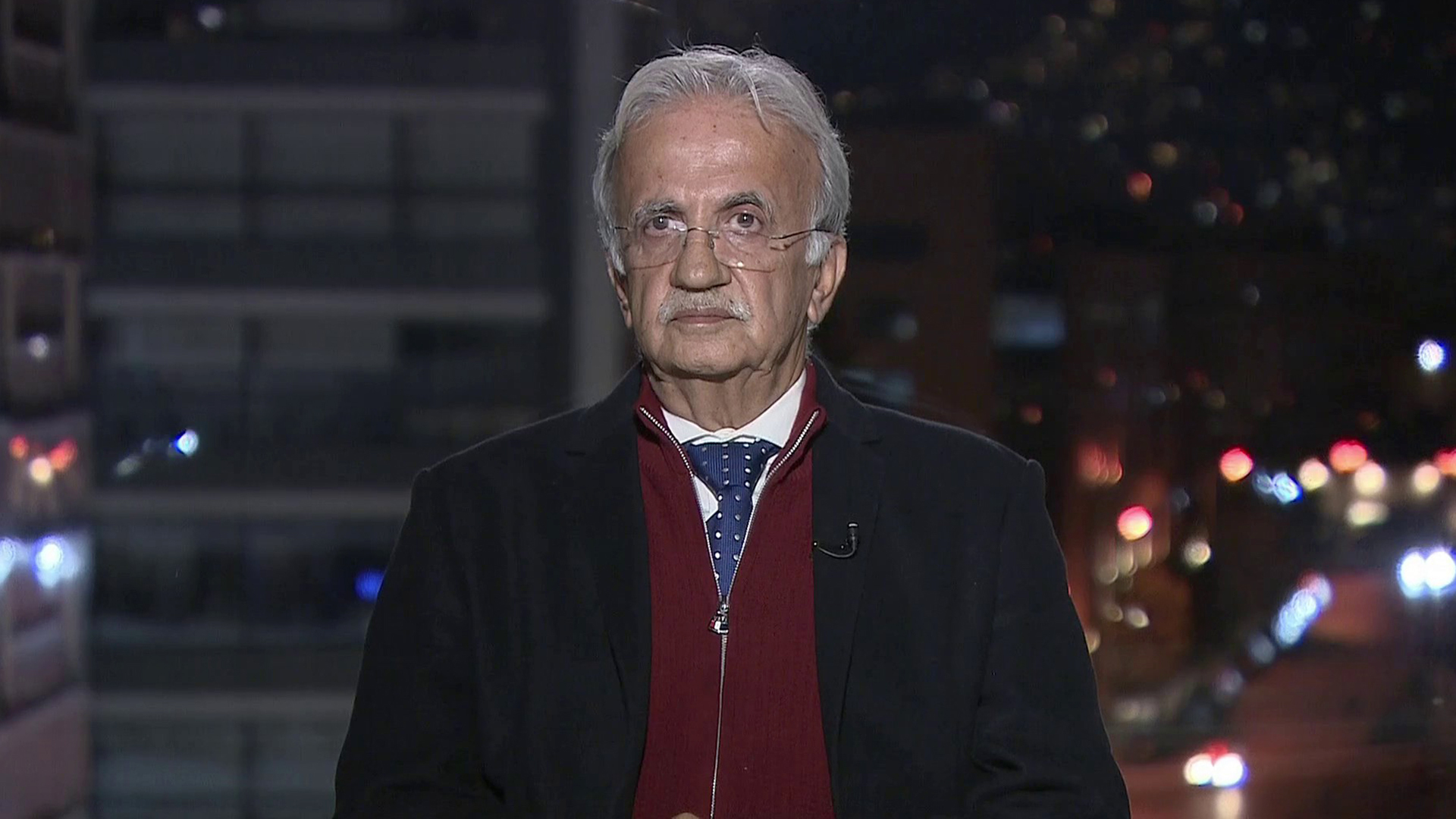
Israel is reportedly hindering the work of the monitoring mechanism established to oversee the ceasefire agreement with Lebanon. This obstruction is seen as a means to exert further pressure on Beirut, according to political analyst Tony Francis.
A Lebanese diplomatic source confirmed that the committee, considered a crucial channel for negotiations between Tel Aviv and Beirut, is facing a crisis. The source stated that a scheduled meeting for January 14th was cancelled due to what they described as “structural problems” within the committee and regional developments. Despite the challenges, the source emphasized that there is “no alternative” to the committee, and its collapse would “open the door to the unknown.”
While Lebanon continues its efforts to confine weapons to the state, in accordance with the agreement and UN Resolution 1701, Israel believes that these efforts are not aligned with its vision. Francis suggests Israel’s perspective is rooted in the complete dismantling of Hezbollah to eliminate any future threat.
Francis argues that Israel is actively obstructing the mechanism’s operations, with tacit approval from the United States. He claims the U.S., while appearing to pressure Beirut to disarm, ultimately supports Israel’s objectives. With the disarmament process stalled, Israel seemingly justifies its continued strikes as a form of preparation while awaiting a final resolution, the Lebanese writer states.
However, Francis believes that recent developments in Syria might compel Israel to elevate its negotiation level with Beirut, similar to its talks with Damascus. He suggests the coming days will reveal whether this shift will occur.
The Lebanese diplomatic source reiterated Lebanon’s openness to resuming negotiations and exploring approaches to address the situation on the ground, despite what they described as Israel’s “harsh and security-focused” proposals. Lebanon remains steadfast in its demand for the return of southern residents to their villages and believes that economic recovery begins with the reconstruction of these towns, emphasizing the need for the mechanism to endorse the Lebanese army’s control.