Syrian Forces Intensify Search for Escaped ISIS Detainees
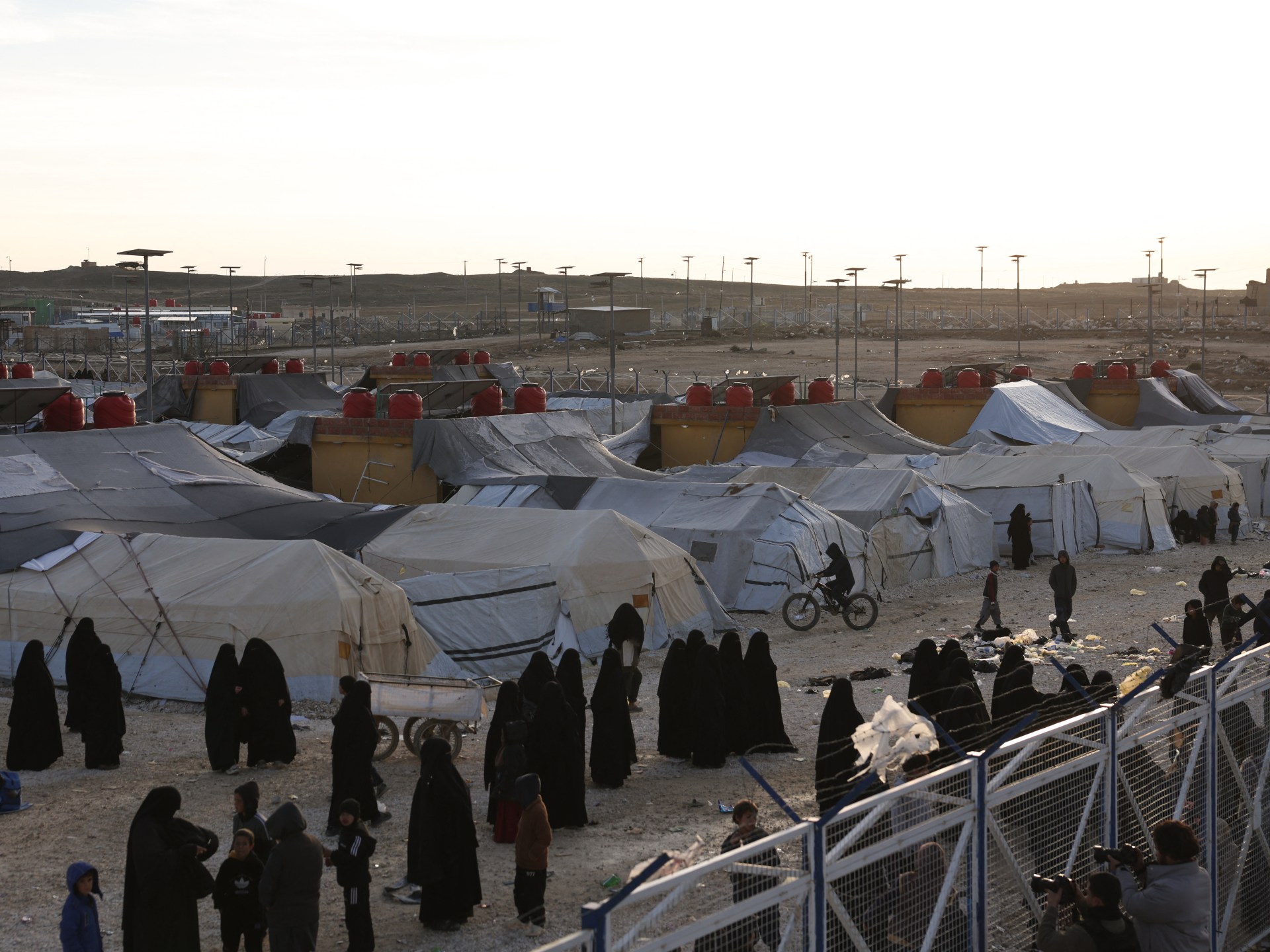
Syrian security forces are continuing their search for escaped ISIS detainees, authorities announced today. Efforts are focused on securing areas surrounding the al-Hol camp in the al-Hasakah countryside, which remains a high-priority zone.
The Ministry of Interior stated that the al-Hol camp and all prisons in the region are considered restricted areas, emphasizing the seriousness of the situation. This announcement follows reports of heightened security measures in the area.
In Raqqa, tensions remain high as families of detainees held in the al-Aqtan prison reportedly attempted to breach security barriers erected by authorities. These families expressed deep concern for the well-being of their relatives inside the prison.
Meanwhile, the Syrian Ministry of Defense has accused the Syrian Democratic Forces (SDF) of targeting Syrian army positions over 35 times during the initial ceasefire period. These alleged attacks resulted in casualties, including 11 fatalities and over 25 injuries, according to the ministry.
Furthermore, the Syrian army claims to have discovered a facility near the al-Yarubiyah border crossing in the al-Hasakah countryside. This facility allegedly contained Iranian-made drones that the SDF was preparing to arm, according to the Ministry of Defense.
The SDF has denied these allegations, stating that they had no military activity in the specified area and accusing the government of violating the agreement. The SDF maintains that the alleged ammunition depot target was fabricated.
DZWatch is closely monitoring the situation as it unfolds. The reported clashes and ongoing search operations underscore the fragile security environment in the region. The safety and security of civilians remain a primary concern.
Additionally, reports indicate that hundreds of people have been displaced to al-Qamishli due to military operations in Raqqa and al-Hasakah. These displaced individuals are facing dire humanitarian conditions, with some seeking refuge in schools converted into shelters that lack essential services and heating.
The al-Hol camp reached its peak occupancy in 2019, housing approximately 73,000 individuals. The ongoing situation highlights the complex challenges associated with managing the camp and ensuring regional stability.