
Saudi Campaign Calls for Boycott of UAE Tourism
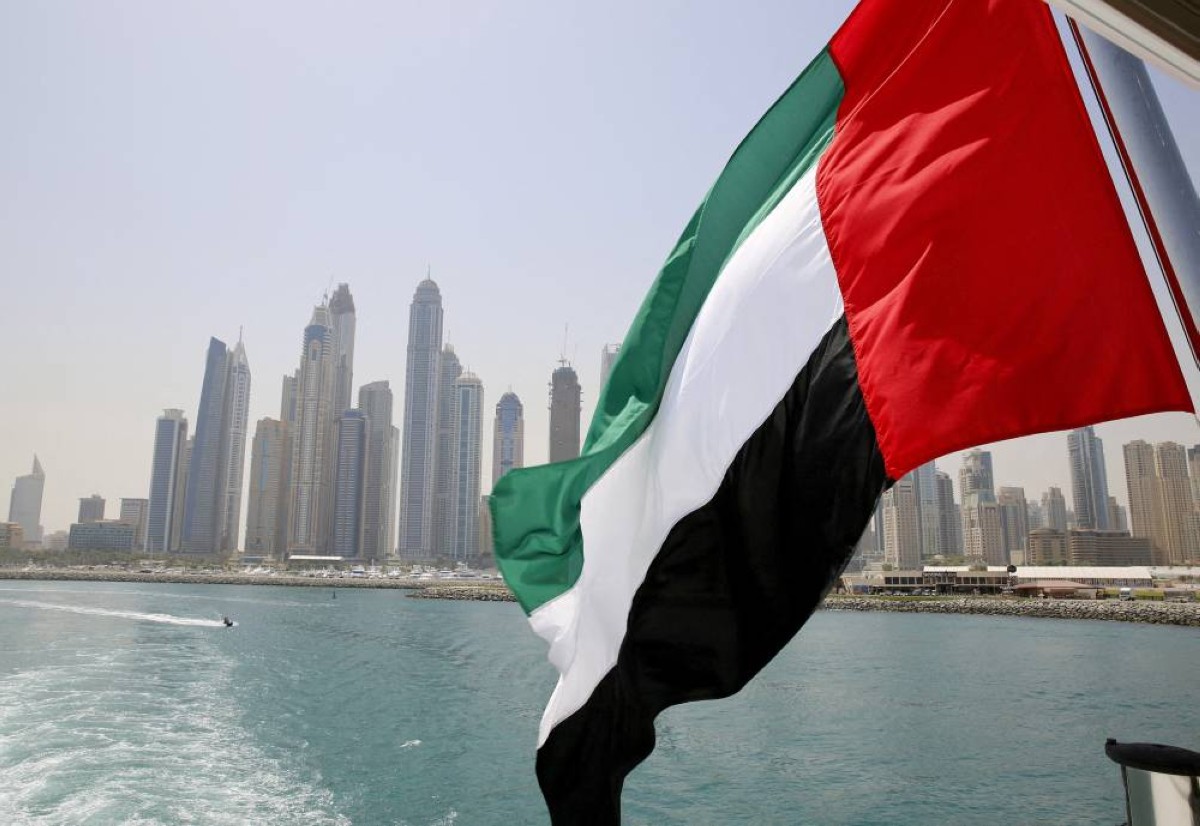
A significant online campaign, spearheaded by Saudi activists, is gaining traction, calling for a boycott of tourism in the United Arab Emirates. The campaign, primarily unfolding on social media platforms, has seen thousands of users engaging with hashtags advocating for the tourism boycott.
Key hashtags such as #BoycottUAEtourism and #NoTourismInUAE are trending, with participants sharing posts warning against travel to destinations like Dubai and Abu Dhabi. These individuals argue that money spent in the UAE could indirectly support policies perceived as detrimental to regional stability. Participants are claiming that the boycott is a national and ethical imperative.
Further fueling the campaign are allegations regarding privacy violations within Dubai hotels. Some users are circulating claims of blackmail involving compromising footage allegedly taken within these establishments. These claims, while unverified, are adding to the momentum of the boycott.
The scope of the campaign has broadened to encompass calls for a boycott of Emirati products. Saudi media figures and activists are reportedly sharing videos and images to explain the rationale behind this expanded boycott, citing the UAE’s alleged involvement in regional conflicts. The campaign has garnered support from users in other countries, including Yemen and Sudan, who express the importance of public pressure in influencing Emirati policies.
This campaign emerges against a backdrop of increasing tension between Saudi Arabia and the UAE, particularly concerning the situation in Yemen. The UAE supports the Southern Transitional Council, which seeks secession, while Saudi Arabia backs the internationally recognized Yemeni government. Recent days have witnessed unprecedented Saudi media coverage accusing the UAE of supporting instability in Yemen by arming militias and operating secret prisons. There have also been reports of Saudi airstrikes targeting alleged Emirati arms shipments in the port of Mukalla. DZWatch is closely monitoring the situation as it develops.
The long-term impact of this boycott campaign remains to be seen, but it underscores the complex and evolving dynamics within the Gulf region.