Tunisian Journalists Jailed on Financial Crime Charges
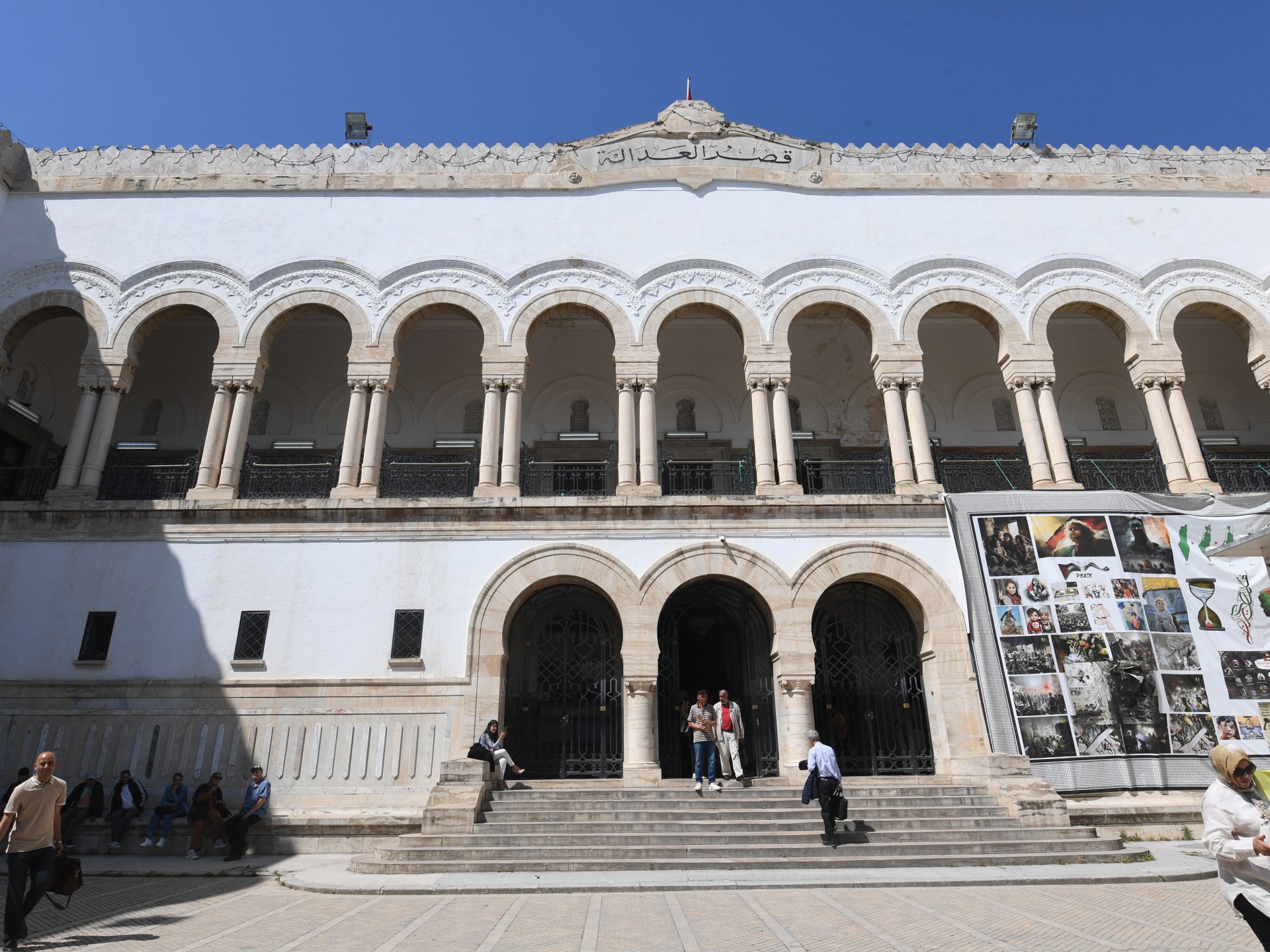
A Tunisian court has sentenced two prominent journalists, Borhane Bsaiss and Mourad Zghidi, to three and a half years in prison on charges related to money laundering and tax evasion. The ruling, handed down by the criminal division of the Tunis Court of First Instance on Thursday evening, also includes financial penalties and the confiscation of assets belonging to the two men.
According to reports, the court ordered the seizure of shares held by Bsaiss and Zghidi in various companies, transferring them to the state treasury. Both journalists have been in custody since May 2024 and are known for their critical stance towards President Kais Saied’s policies.
This is not the first legal trouble for the pair. They were previously sentenced to one year in prison on charges of “spreading false news” in a separate case, based on Presidential Decree 54 concerning crimes related to information and communication systems.
Reuters quoted Myriam Zghidi, Mourad Zghidi’s sister, as expressing the family’s shock at the verdict. She asserted that their lawyers had presented evidence demonstrating the lack of legal basis for the accusations. She described the sentence as “retaliatory due to his free opinions and independent journalism.”
“This ruling is a blatant attack on journalism and freedom of expression,” she stated, adding, “It’s clear they want to silence Mourad’s voice, but as his sister, I will not remain silent.” The defense team is expected to file appeals against the sentence.
Concerns Over Press Freedom
The verdict has intensified concerns among press freedom advocates, who argue that Tunisian authorities are increasingly targeting independent journalists, opposition leaders, and civil society activists since President Saied consolidated power in July 2021.
Since the 2011 Tunisian revolution, freedom of the press has been considered a significant achievement, with Tunisian media regarded as among the most open in the Arab world. However, politicians, journalists, and professional syndicates, including the Tunisian Journalists Syndicate, are now warning that this freedom faces a serious and accelerating threat.
Decree 54 Sparks Controversy
Local and international human rights organizations have criticized Decree 54, arguing that it is used to suppress dissent and restrict freedom of expression. The recent sentencing of Bsaiss and Zghidi further fuels these concerns and raises questions about the future of press freedom in Tunisia.