
German Politician Warns Against US Abandoning NATO
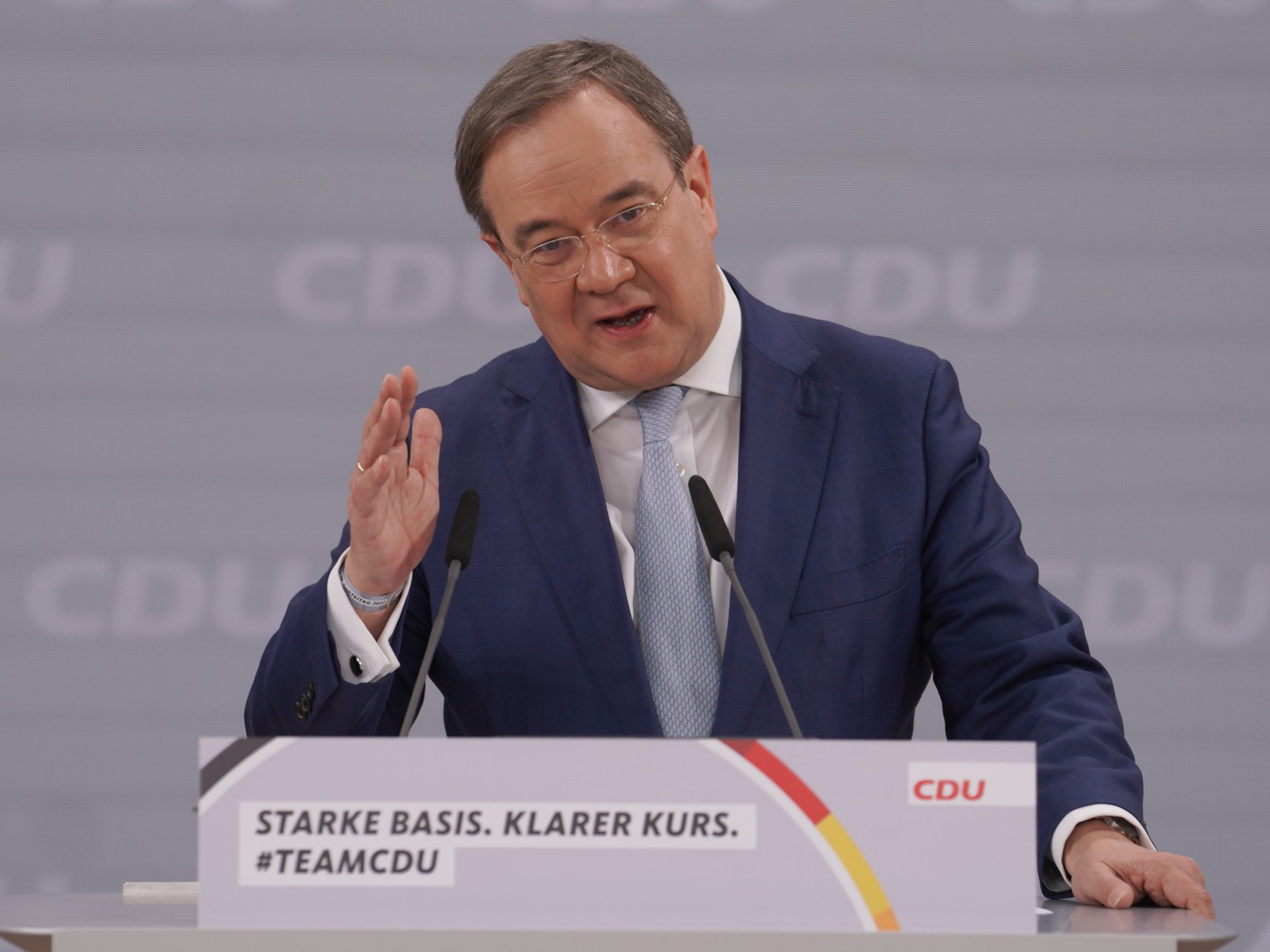
Berlin – Prominent German politician Armin Laschet voiced strong support Friday for maintaining the North Atlantic Treaty Organization (NATO) in cooperation with the United States. He warned of dire consequences should Washington withdraw from the alliance, particularly in light of renewed criticism from former US President Donald Trump.
In an interview, Laschet, who served as chairman of the Christian Democratic Union (CDU) from early 2021 to early 2022, stated, “If the Americans were to leave NATO tomorrow, Europe would not be able to defend itself alone.” He emphasized the necessity of continued collaboration with the US while simultaneously building up European defense capabilities.
Laschet is a member of the CDU, the party of current German Chancellor Friedrich Merz. He currently chairs the Foreign Affairs Committee in the German Parliament and was the CDU’s candidate for Chancellor in the 2021 elections against Olaf Scholz.
During the television appearance, Laschet, former Minister-President of North Rhine-Westphalia, Germany’s most populous state, stressed the importance of Europe re-engaging in dialogue with Russia to influence the course of the war in Ukraine. “We all don’t know” how close peace in Ukraine is, Laschet said. “And we Europeans, in particular, don’t know, because, unlike the United States, we are not talking to Russia.”
Earlier, Trump attacked NATO on his social media platform, stating that the alliance should be forced to invoke Article 5, which states that an attack on one member is an attack on all. Trump suggested utilizing the alliance to protect the US southern border from illegal immigration. This is not the first time Trump has attacked NATO.
Article 5 of the NATO treaty stipulates that an armed attack against one or more of the Allies is considered an attack against all Allies, prompting a unified response.
Laschet’s comments come amid ongoing debates within Europe about the continent’s defense posture and its relationship with the United States, particularly in the context of evolving geopolitical challenges. The future of NATO remains a central topic of discussion.