Germany: World Cup 2026 Boycott Talk Emerges
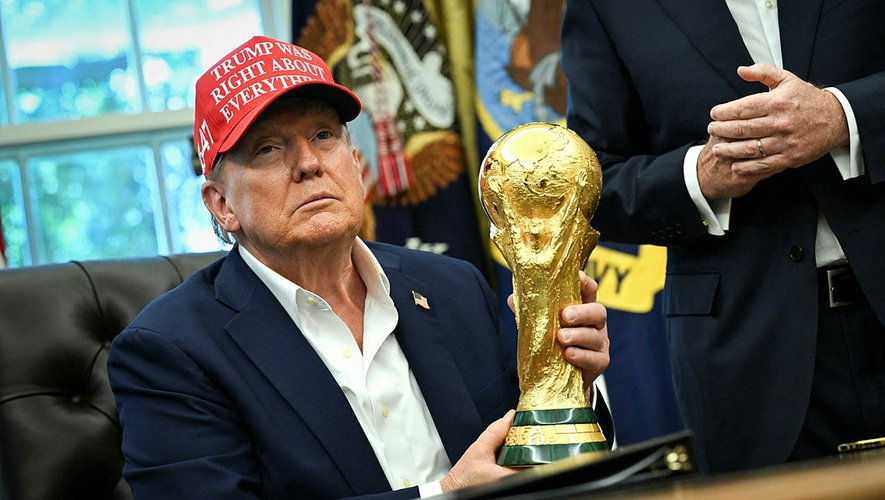
Controversy is brewing around the 2026 FIFA World Cup, set to be hosted in the United States, Canada, and Mexico. Voices within Germany are suggesting a potential boycott of the tournament, fueled by political tensions.
German State Secretary for Sport, Christiane Schanderlein, stated that the government would not interfere with the German national team’s decision to participate. She emphasized that the decision rests with the German Football Association (DFB) and FIFA, respecting the principle of sporting autonomy.
These calls for a boycott stem from ongoing political friction between the United States and several European nations. Previous statements and policy proposals from the US administration have caused unease, prompting some German lawmakers to suggest that European participation in the World Cup could become untenable if such policies were enacted.
Oke Göttlich, Vice President of the DFB, has advocated for a serious discussion about the possibility of a boycott. He highlighted that the majority of the tournament’s matches are scheduled to take place within the United States, further intensifying the political sensitivities surrounding the event.
While France has indicated that it does not currently support a boycott, the Danish Football Association has acknowledged the sensitivity of the situation, particularly as the Danish national team aims to qualify for the tournament.
This escalating debate within Europe reflects broader questions about the relationship between sports and politics. It raises concerns about whether major international sporting events can truly remain detached from international political disputes and tensions. The situation continues to be closely monitored as the 2026 World Cup draws nearer.