Saudi Arabia: Filming of Imams and Worshipers Prohibited During Ramadan Prayers
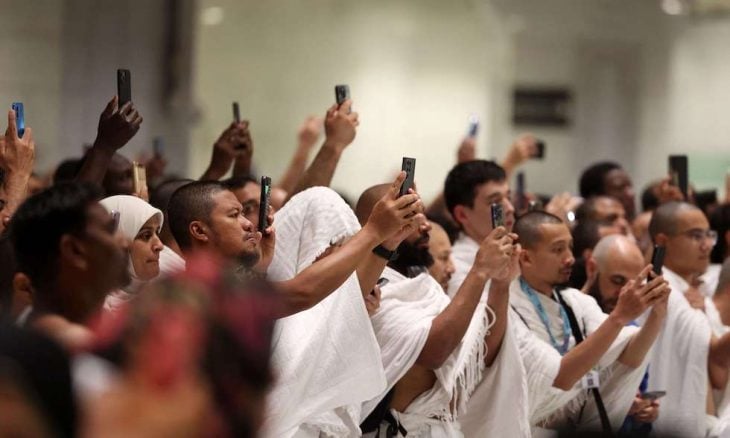
The Saudi Ministry of Islamic Affairs, Dawah, and Guidance has approved a set of new regulatory guidelines for mosques as the month of Ramadan approaches.
The Minister of Islamic Affairs, Dawah, and Guidance, Abdullatif bin Abdulaziz Al-Sheikh, has prohibited the filming of imams and worshipers during prayers in mosques. He emphasized that this is part of official instructions aimed at preserving sincerity in worship and preventing anything that might lead to showing off or seeking praise.
In a press statement last Sunday, following the launch of the ministry’s seasonal programs for the month of Ramadan 1447 AH, Al-Sheikh explained that the ministry issued a series of instructions to prepare mosques, serve worshipers, and organize the breaking of the fast (Iftar), in addition to assigning monitoring campaigns to ensure compliance with regulations and instructions.
He stressed the importance of imams and muezzins adhering to the ministry’s instructions during Ramadan, being regular in their duties, and ensuring compliance with prayer times according to the Umm al-Qura calendar, without advancing or delaying the specified times.
The Saudi Minister of Islamic Affairs stated that the ministry will not tolerate any violations in this regard, as the times for the call to prayer and prayers are strictly set according to the approved calendar and must be followed without any disruption to the scheduled time.
Al-Sheikh also directed that the duration between the call to prayer and the start of the prayer be set at 15 minutes, particularly for the Fajr and Isha prayers, to facilitate worshipers and take their circumstances into account. He also emphasized avoiding excessive length or any disruption that might be difficult for people during Tarawih and Qiyam prayers.
Regarding cameras inside mosques, the minister stressed the necessity of adhering to installation guidelines and not using them to film the imam or worshipers during prayer or to publish clips outside the mosque. He confirmed that the purpose of their presence is for security and organizational monitoring, not for documenting or publishing acts of worship.
Reference: link