Expert: Algeria’s Trans-Saharan Gas Pipeline Far More Viable Than Morocco’s Atlantic Project
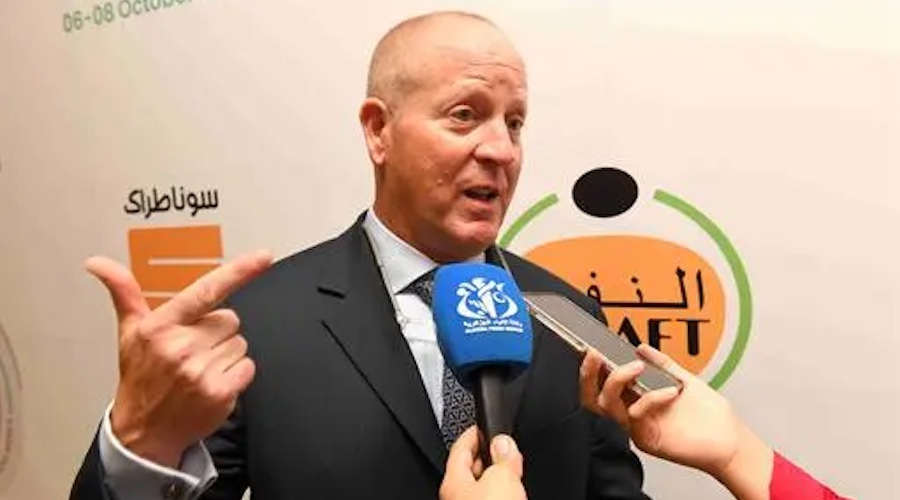
Jeff Porter, President of North Africa Risk Consultancy (NARCO), has outlined key factors that make Algeria’s Trans-Saharan Gas Pipeline significantly more attractive and feasible than Morocco’s rival Atlantic African Gas Pipeline project.
Speaking exclusively to dzwatch, Porter stated that Algeria’s Trans-Saharan pipeline — linking Algeria, Niger, and Nigeria — holds a clear advantage due to its shorter route, lower technical complexity, and reliance on existing infrastructure. In contrast, Morocco’s project is costly, technically complicated, spans multiple legal jurisdictions, and its viability remains in serious doubt.
Porter also noted that Senegal, a critical anchor point in Morocco’s pipeline scheme, has grown increasingly distant from Moroccan-led initiatives following a notable deterioration in bilateral relations.
Algeria’s Trans-Saharan Gas Pipeline — Africa’s largest of its kind — is set to enter its operational phase per directives from President Abdelmadjid Tebboune. The 4,128-km pipeline aims to transport between 20 and 30 billion cubic meters of natural gas annually from Nigeria to Europe via Niger and Algeria, with Sonatrach leading preliminary works across Niger.