Under the dynamic leadership of President Abdelmadjid Tebboune, Algerian diplomacy has embarked on an intense period of activity, engaging robustly on both regional and international fronts. This heightened engagement underscores Algeria's commitment to fostering strategic partnerships and championing critical global issues.
Algeria
A prime example of this diplomatic drive was the participation of Ahmed Attaf, Minister of Foreign Affairs and National Community Abroad, in the Africa-Republic of Korea Partnership ministerial meeting in Seoul. During the summit, Minister Attaf proudly reaffirmed Algeria's unwavering dedication to its strategic partnership with the Republic of Korea, a relationship now celebrating its twentieth anniversary. He highlighted Algeria's view of this bilateral bond as a crucial enabler for broader Africa-Korea cooperation, notably through continent-spanning initiatives like the proposed African Centre for Information and Communication Technologies.
Assessing the trajectory of the Africa-Korea partnership since the 2024 summit, Minister Attaf articulated a sentiment of both 'satisfaction and ambition.' He lauded the tangible progress made in implementing the summit's directives and commitments, expressing a strong desire for further achievements. Attaf's intervention in Seoul focused on three pivotal areas: the alignment between the partnership's objectives and the African Union's Agenda 2063 development priorities; the pragmatic approach characterizing the cooperation, evident in programs promoting intra-African trade, infrastructure, agriculture, industry, modern technologies, and digitalization; and a profound ambition for the partnership to empower Africa to fully integrate into the global economic revolutions driven by artificial intelligence, robotics, nanotechnologies, and renewable energies. He stressed the imperative of preventing Africa from being marginalized in these transformations, a historical risk the continent cannot afford to repeat.
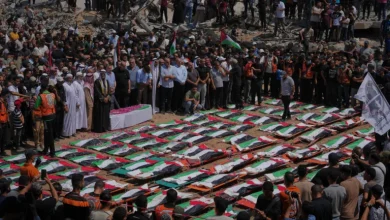
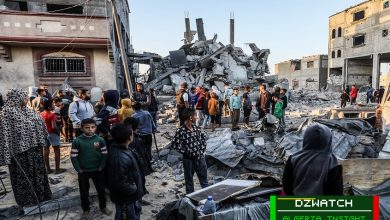
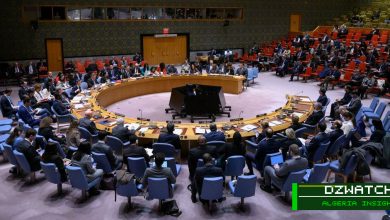
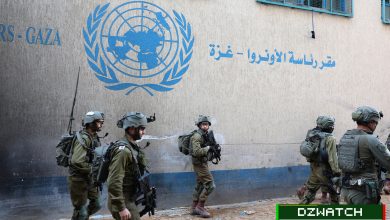
Beyond economic partnerships, Algeria, guided by presidential directives, has vigorously championed just causes across Africa and the Arab world, while actively contributing to resolving global conflicts. Its persuasive power and consensus-based approach have led to numerous emergency meetings on pressing situations, including the ongoing crisis in Palestine, and conflicts in Sudan, Yemen, Lebanon, Libya, Syria, the Democratic Republic of Congo, Haiti, and Colombia. For Palestine, Algeria successfully convened multiple emergency sessions, advocating for a Gaza ceasefire, addressing challenges faced by UNRWA, and highlighting the plight of children, consistently working to alleviate suffering and restore hope.
Algeria's efforts in Libya proved particularly fruitful, securing a landmark agreement enabling the Libyan Investment Authority to reinvest frozen Libyan assets in international financial institutions. Additionally, it ensured a decision mandating the UN Sanctions Committee on Libya to inform Libyan authorities of all correspondences concerning these assets. On the Syrian, Yemeni, Sudanese, and Lebanese issues, the Algerian delegation effectively persuaded Security Council members to support political processes initiated by the respective peoples, fostering a new era free from foreign interference.
Simultaneously, Algeria, a respected voice among its peers, has spearheaded unprecedented meetings on critical regional challenges, such as counter-terrorism in Africa, strengthening UN-Arab League cooperation, and reforming the international system. The high-level Security Council meeting on counter-terrorism in Africa, chaired by Minister Attaf, showcased Algeria's comprehensive approach, which addresses both the manifestations and root causes of terrorism, alongside developmental and security aspects. This approach garnered unanimous praise from participating African ministers, who lauded President Tebboune's effective role in unifying continental counter-terrorism efforts.
Regarding the strengthening of UN-Arab League cooperation, the meeting emphasized the urgent need to consolidate Arab and UN diplomatic action for peace, security, and prosperity in the Arab region. It also highlighted the negative repercussions of excluding this crucial relationship from regional peace equations, asserting its necessity for multilateralism. Furthermore, Algeria leveraged its two-year non-permanent membership on the UN Security Council to amplify the voice of the Sahrawi people, steadfastly defending their inalienable right to self-determination and independence. Despite attempts to undermine this principle, Algeria successfully introduced crucial amendments to Resolution 2797 (renewing the MINURSO mandate), reaffirming the right to self-determination and ensuring a balanced text compliant with international law. Minister Attaf reiterated that the Western Sahara issue remains active under UN purview, asserting that the Security Council has not adopted Moroccan theses on the matter.
Algeria's firm stances, rooted in the core principles of its foreign policy, have undeniably demonstrated its unwavering commitment to defending just causes globally, with a particular focus on the Palestinian and Sahrawi issues within international forums.
Related topics: Algeria
DZWatch provides English-language coverage of Algeria-focused developments for international readers.