Latin American Nations Reaffirm Support for Sahrawi Self-Determination at UN
Several nations from Latin America and the Caribbean have reiterated their strong support for the Sahrawi people's right to self-determination and independence, aligning with UN General Assembly Resolution 1514 (XV) on the granting of independence to colonial countries and peoples.
Sahrawi self-determination
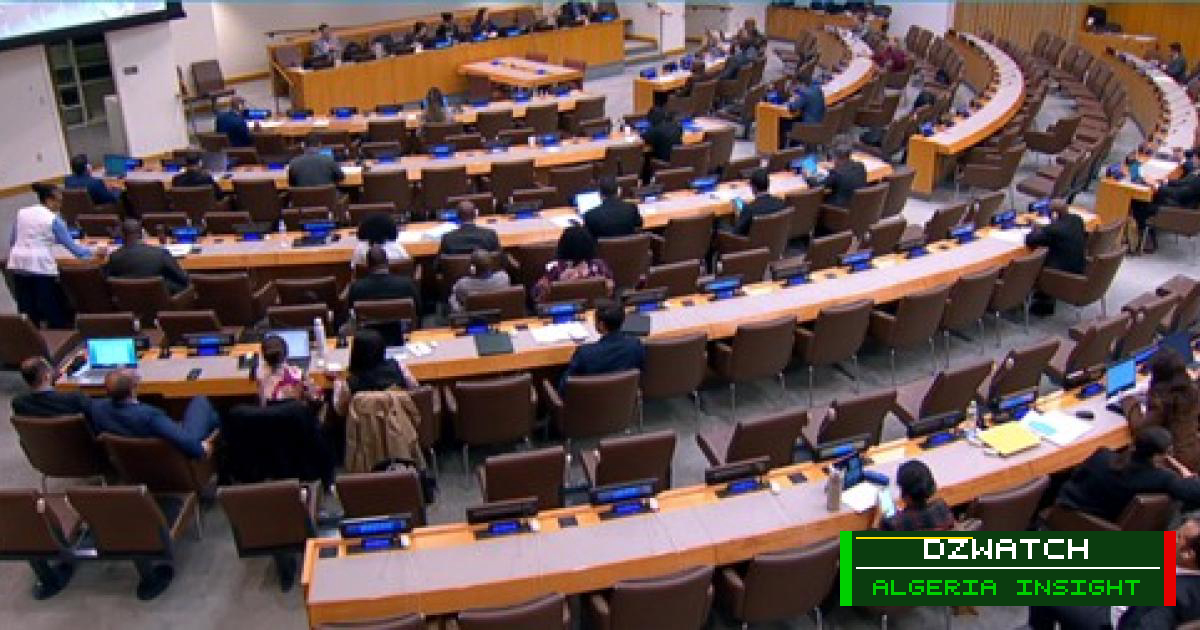
During discussions at the substantive session of the Special Committee on the Situation with regard to the Implementation of the Declaration on the Granting of Independence to Colonial Countries and Peoples (Committee of 24), which commenced last Monday at UN headquarters in New York, Nicaragua's representative reaffirmed her country's recognition of and support for the inalienable rights of the Sahrawi people, including freedom, self-determination, and national sovereignty.
She emphasized that the sole just and final solution to this colonial situation lies in holding a UN-supervised referendum for self-determination, as stipulated in the resolutions of the General Assembly and the Special Committee.
Venezuela's representative, in turn, confirmed her country's historical commitment to decolonization and its solidarity with the Sahrawi people. Since establishing diplomatic relations with the Sahrawi Republic in 1983, Venezuela has maintained a steadfast position supporting the Sahrawi people's exercise of their inalienable right to self-determination in accordance with international law, the UN Charter, and relevant Security Council, General Assembly, and African Union resolutions, particularly Resolution 1514 (XV).
Cuba's representative recalled that numerous resolutions concerning the Western Sahara issue have been adopted by the General Assembly, the Security Council, and the African Union since the Special Committee on Decolonization classified it as a territory subject to decolonization over 60 years ago. She stressed the necessity of the international community's commitment to implementing UN resolutions on Western Sahara.
She reiterated Cuba's support for achieving a just, lasting political solution that leads to the self-determination of the people of Western Sahara, in accordance with UN General Assembly resolutions. Cuba rejects unilateral decisions that disregard the interests and rights of the Sahrawi people and violate international law, the UN Charter, and relevant UN General Assembly resolutions.
Similarly, the Deputy Permanent Representative of Belize to the UN expressed his country's solidarity with the Sahrawi people in their legitimate aspirations to freely and fully exercise their right to self-determination. He recalled that the International Court of Justice affirmed the right to self-determination as a peremptory norm from which no derogation is permitted and recognized its applicability to the people of Western Sahara.
He added that despite these affirmations and more than sixty years since the Western Sahara issue was placed on the Special Committee's agenda, the decolonization process remains incomplete. Belize expressed concern over the continued waiting of the Sahrawi people to fully and freely exercise their fundamental right, a right entrusted to this organization to protect.
Colombia's representative renewed his country's commitment to achieving a peaceful, just, and lasting political solution to the Western Sahara issue within the framework of the decolonization process and in accordance with the UN Charter.
Related topics: Sahrawi people, Western Sahara, UN Committee of 24, self-determination, decolonization, international law
DZWatch provides English-language coverage of Algeria-focused developments for international readers.