Secure Vignette System Simplifies Algerian Document Certification
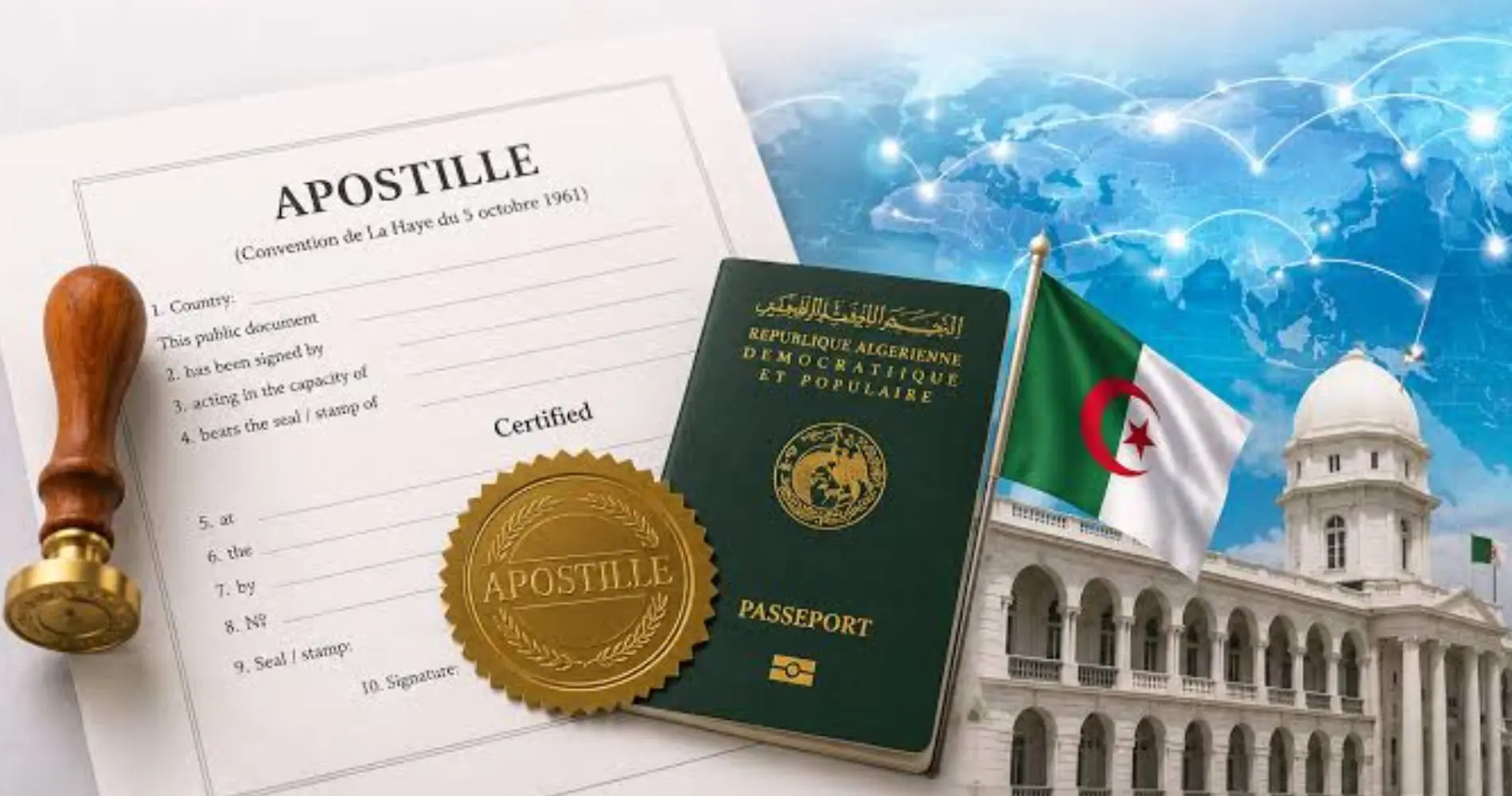
An interministerial decree, dated July 9, 2026, has been issued by the Ministry of Finance to regulate the collection of stamp duty associated with Apostille certificates in Algeria. This new framework organizes the sale of a secure Apostille vignette, which is now mandatory for all Algerian documents destined for countries signatory to the Hague Convention. This initiative formalizes the established cooperation with Algérie Poste, streamlining administrative procedures for citizens.
Under the new system, citizens must first pay the corresponding stamp duty and provide identification to receive a secure sticker. Payments can be made at designated tax receivers' offices and postal establishments, with the amount remaining as per current tax legislation; at the service's opening, the vignette was offered at 1,500 DA within Algérie Poste's network. The administrative authority responsible for authentication will then affix the vignette to the document, ensuring its validity. This reform, which came into application in mid-summer, definitively replaces the previous consular legalization process, which often immobilized documents for several weeks, with a single, efficient stamp.
The supply chain for these secure vignettes involves the Banque d’Algérie, which is the sole producer, distributing them to wilaya tax directorates. These directorates, in turn, supply local post offices based on expressed needs, without requiring advance payment for stock, thus aiming to prevent shortages in remote areas. A formal convention now governs the supply conditions for Algérie Poste and determines its commission rate on sales. Furthermore, the Directorate General of Taxes (DGI) has dedicated access to the Ministry of Foreign Affairs' national digital registry, allowing for comprehensive traceability by cross-referencing sold vignettes with issued Apostilles. By late July, the scope of this system expanded to include diplomas and pedagogical documents from the education sector, following other ministries concerned by the Hague Convention.