President Tebboune Calls for Enhanced African Counter-Terrorism Unity
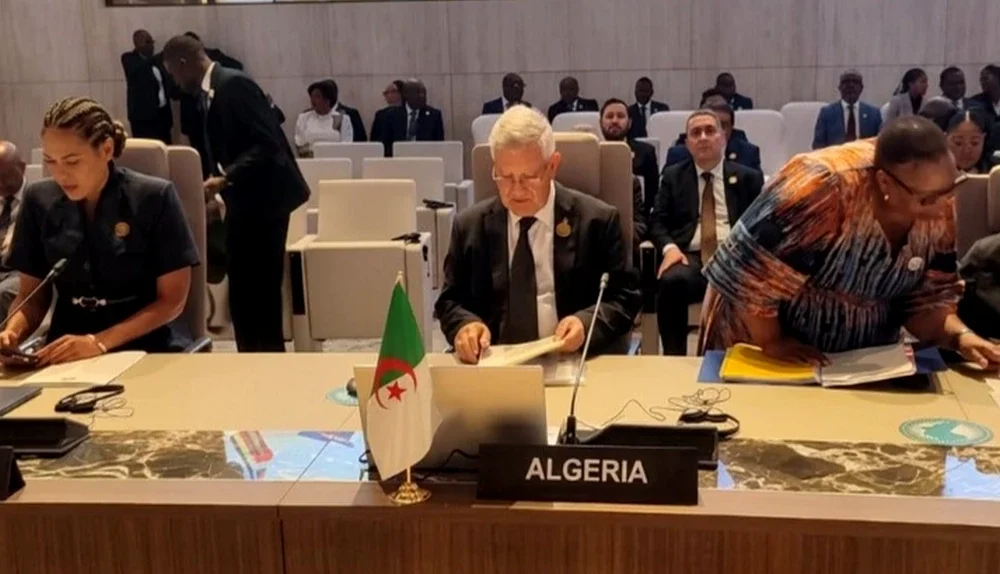
President Tebboune issued a warning regarding the escalating terrorist threats across Africa, specifically highlighting the Sahel region, during the 21st extraordinary session of the African Union (AU) Conference of Heads of State and Government. Speaking through the President of the Council of the Nation, Azzouz Nasseri, at the Luanda, Angola, summit focused on conflict prevention and resolution, President Tebboune placed the fight against terrorism at the forefront of Algeria's engagement within the AU. Algeria, through President Tebboune's role as the AU's champion for combating terrorism and violent extremism, consistently advocates for comprehensive regional security.
The President underscored that the complex regional security landscape sees terrorist groups leveraging vast, difficult-to-monitor border areas and fragile regions. These groups intertwine their activities with organized crime networks involved in illicit arms, drug, and human trafficking, exploiting security, economic, and social vacuums for regrouping and expanding their recruitment and funding channels. To address this, President Tebboune emphasized the critical need for intensified collective action, robust information exchange, and shared expertise among African nations. He called for significantly enhancing the AU's operational capabilities and equipping its institutions with the necessary means to respond effectively.
Furthermore, President Tebboune stressed the importance of strengthening coordination among the various components of the African Peace and Security Architecture, including the African Standby Force and its regional elements, particularly North Africa's counter-terrorism capacities. Security and strategic expert Ahmed Mizab affirmed that President Tebboune's warning reflects a growing awareness of the evolving nature of the terrorist threat on the continent. Mizab highlighted that effective responses necessitate a continental approach that transcends national security measures, advocating for improved intelligence cooperation, early warning systems, and coordinated operational efforts in border areas.
Mizab also noted that counter-terrorism efforts are intrinsically linked to addressing the underlying conditions that facilitate its spread, such as weak development, inadequate services, and limited employment opportunities in vulnerable areas. Investing in local development, therefore, becomes an integral part of security investment, as enhancing living conditions and economic prospects can mitigate the ability of extremist groups to exploit social fragilities for recruitment. This integrated vision, which President Tebboune presented, underscores Algeria's strategic commitment to reinforcing African states' capabilities and bolstering continental institutions with a shared perspective to prevent conflicts, manage crises, and safeguard development pathways, ensuring the continent's stability and security.