OPEC+ Decisions Shaped by Algerian Participation
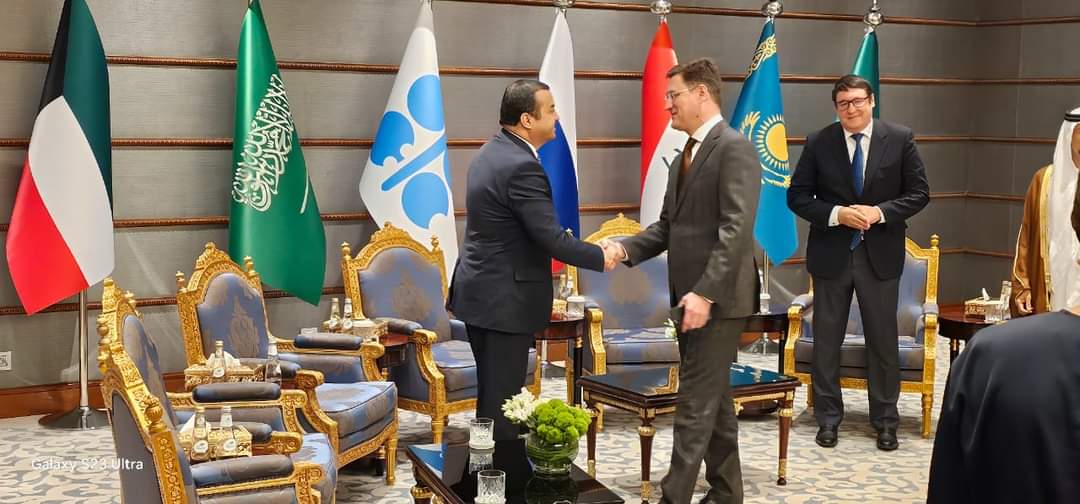
Algeria is strengthening its position within OPEC and OPEC+ decision-making circles. Its involvement includes participating in meetings and decisions related to managing oil production levels, contributing to the stability of the global market. Recent data from OPEC for July and August 2026 confirms this active presence. OPEC identified Algeria among seven nations undertaking voluntary production adjustments, alongside Saudi Arabia, Russia, Iraq, Kuwait, Kazakhstan, and Oman.
On July 5, 2026, these seven countries announced an adjustment to their production levels by 188,000 barrels per day, effective from August. This measure was part of ongoing efforts to balance the global oil market. The group reiterated this decision on August 2, approving an additional adjustment of the same amount, which will take effect from September 2026. The group also maintained the flexibility to modify, suspend, or reverse these measures based on market developments.
Algeria's influence is further highlighted through its membership in the OPEC+ Joint Ministerial Monitoring Committee (JMMC). This committee is responsible for tracking oil market developments, evaluating production levels, and ensuring compliance with agreed-upon commitments. During a JMMC meeting on August 2, crude oil production data for May and June 2026 was reviewed, alongside an assessment of the global market situation. The committee affirmed its continued monitoring of production adjustments and compensation for any quantities produced beyond the agreed levels.
Beyond production levels, the JMMC's discussions also addressed potential risks to the stability of the global energy market. The committee emphasized the importance of securing international shipping routes and ensuring the continuous flow of energy supplies. Concerns were expressed regarding any targeting of energy infrastructure or disruptions to transport routes, given their direct impact on market stability and supply security. Algeria's consistent participation in these critical mechanisms within OPEC+ underscores its significant role in coordinating production, overseeing agreement implementation, and addressing global energy security challenges, positioning it as a key contributor to oil market stability and the balance of supply and demand.