National Strategy Targets Forest Fire Risks
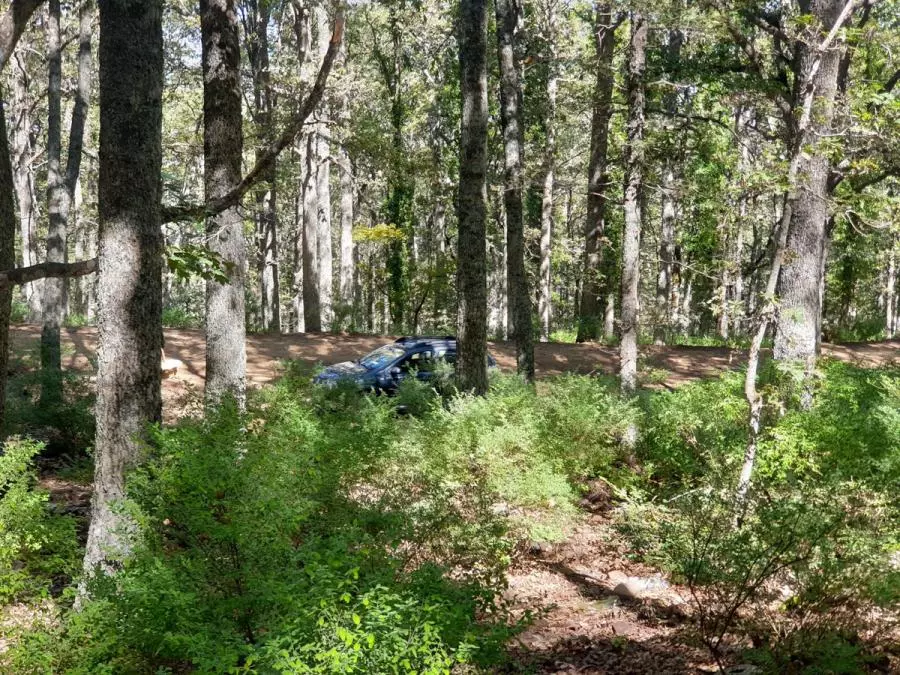
Algeria is moving towards a new national strategy for managing forest fires, shifting focus from post-ignition intervention to proactive prevention and risk reduction. This modern approach recognizes forests as integrated ecosystems, emphasizing vegetation and ecosystem management as crucial elements in reducing fire probability, spread, and intensity. Key principles include managing plant fuel, maintaining soil moisture, restoring wetlands, and incorporating both traditional knowledge and advanced technologies.
Several specific environmental strategies are central to this initiative. These include prescribed burning, a method utilized in countries like Australia and the United States, which involves controlled, low-intensity fires to clear dry undergrowth that fuels larger blazes. Directed grazing, practiced in Spain and Portugal, is also being considered to reduce flammable vegetation, particularly near residential areas, through scientifically managed livestock movement. Additionally, the development of green barriers using less flammable native species and the creation of buffer zones around communities are vital components designed to interrupt fire paths and protect populations.
The new approach integrates advanced technology for enhanced monitoring and early warning. This includes leveraging satellites, drones, thermal cameras, and sensors to track vegetation changes, drought levels, and temperatures. Artificial intelligence will analyze this data to generate dynamic fire risk maps, allowing for targeted preventative interventions before the fire season commences. Such comprehensive prevention efforts require a coordinated approach involving forest services, civil protection, local authorities, researchers, universities, civil society, and local communities, ensuring a holistic response to safeguard Algeria’s diverse forestlands.