Minister Adjal Directs Accelerated Renewable Energy Transition
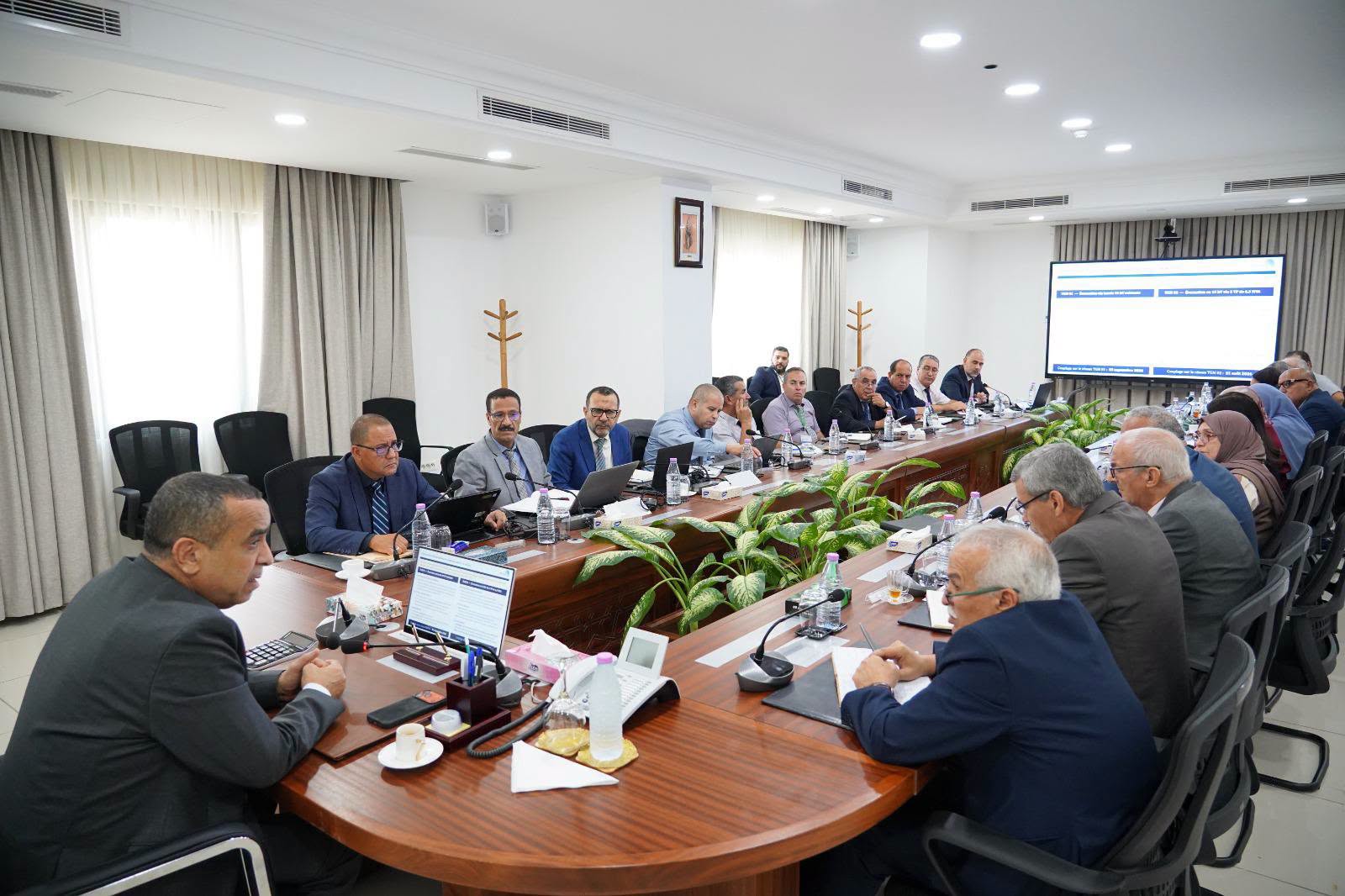
Algeria's national energy transition program is set for accelerated implementation following directives issued by the Minister of Energy and Renewable Energies, Mourad Adjal. During a working meeting of the Ministry's sectoral coordination committee, key priorities were outlined to advance clean energy initiatives within the country and bolster regional energy cooperation. The discussions primarily focused on launching off-grid solar energy unit installations and developing wind power generation stations, alongside reviewing partnerships with Chad, Benin, and Niger.
For the national program, Minister Adjal emphasized several critical steps. These include the precise identification of priority areas and sites for off-grid solar unit deployment, ensuring seamless coordination among all involved entities and operators. A clear timeline for implementation and continuous field monitoring are also mandated to ensure units become operational efficiently. Regarding wind power projects, the focus is on progressing technical studies, designating suitable locations for new stations, and completing all necessary technical and regulatory procedures to expedite construction. Coordination among stakeholders is crucial to accelerate the realization of these projects.
In parallel with domestic efforts, the meeting addressed Algeria's strategic energy partnerships with neighboring nations. Progress was reviewed on a 40-megawatt power plant project under construction in N'Djamena, Chad, with particular attention to its technical and regulatory aspects to ensure timely completion. Cooperation with Benin involves following up on existing agreements, identifying new priority areas, and implementing agreed-upon projects. For Niger, the discussions covered ongoing projects in Niamey and Agadez, assessing bilateral cooperation progress and the necessary steps to enhance coordination and advance mutual interest projects.
Minister Adjal concluded the meeting by issuing comprehensive instructions designed to ensure meticulous and effective follow-up on all agenda items. He underscored the importance of defining priority actions for each file, establishing precise and clear deadlines, and assigning responsibilities to relevant structures. The directives also stressed strengthening coordination among the various departments, agencies, and operators, ensuring regular field monitoring of project phases, and instituting an effective mechanism for continuous follow-up and evaluation. This includes preparing periodic progress reports and proactively addressing any obstacles to accelerate project realization and meet commitments within the specified timeframes, reinforcing continuous monitoring and effective coordination across the sector.