President Tebboune’s Diplomatic Break with UAE Praised Across Arab Street
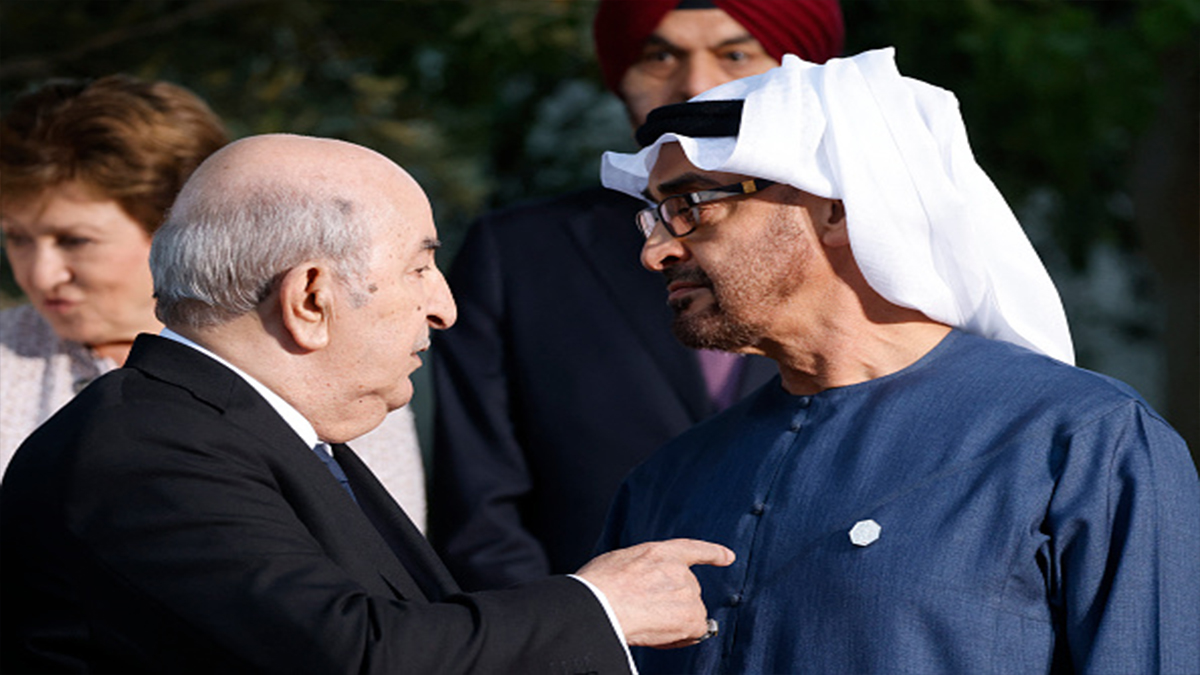
The decision by President Abdelmadjid Tebboune to sever diplomatic ties with the United Arab Emirates was not a mere event but a pivotal geopolitical development. This decisive action, seen as ending years of veiled interference, quickly resonated across the Arab world and beyond. Public opinion swiftly demonstrated that Algeria's move transcended a bilateral dispute, becoming a comprehensive statement of sovereignty.
Across the broader Arab street, Algeria's decision received widespread celebration from political elites, thinkers, and popular masses. Analysts largely viewed it as Algeria establishing a clear boundary against Emirati transgressions that had affected various Arab capitals. The action was widely described as a restoration of Arab sovereign dignity and a direct confrontation of attempts to impose hegemony through political influence, garnering significant enthusiasm in Sudanese and Libyan circles particularly. Reputable international media in major global cities analyzed the move as revealing a shift in the balance of power in Africa and the Middle East, noting Algeria’s firm sovereign stance against an Emirati acquisition strategy.
A principal catalyst for the diplomatic rupture was Algeria's unequivocal rejection of a perceived suspicious alliance involving Abu Dhabi, Rabat, and Tel Aviv. Emirati efforts to transfer espionage technologies and establish monitoring bases near Algeria's western borders reportedly backfired, leading to a definitive redefinition of Algeria's national security parameters. This assertion of national security spurred a broader continental response, with African nations accelerating their direct rejection of Emirati policies. Eritrea's Foreign Minister, Osman Saleh, notably issued warnings against "ports imperialism," signaling a comprehensive review of relations and opposition to destabilizing expansions in the Red Sea and Horn of Africa.
The widespread Arab and international public reaction underscores that national states with deep historical legacies of liberation, such as Algeria, will not compromise their sovereignty or national dignity. This decision is seen as shattering the illusions of "vote-buying diplomacy," affirming that geography, sovereignty, and robust popular-institutional cohesion are more powerful than questionable political financing and opportunistic alliances. Algeria, backed by free public opinion globally, has thus signaled an end to regional instability and crisis exploitation, forging a new regional phase centered on national sovereignty.