CNESE Forum Targets 20% Digital GDP by 2030
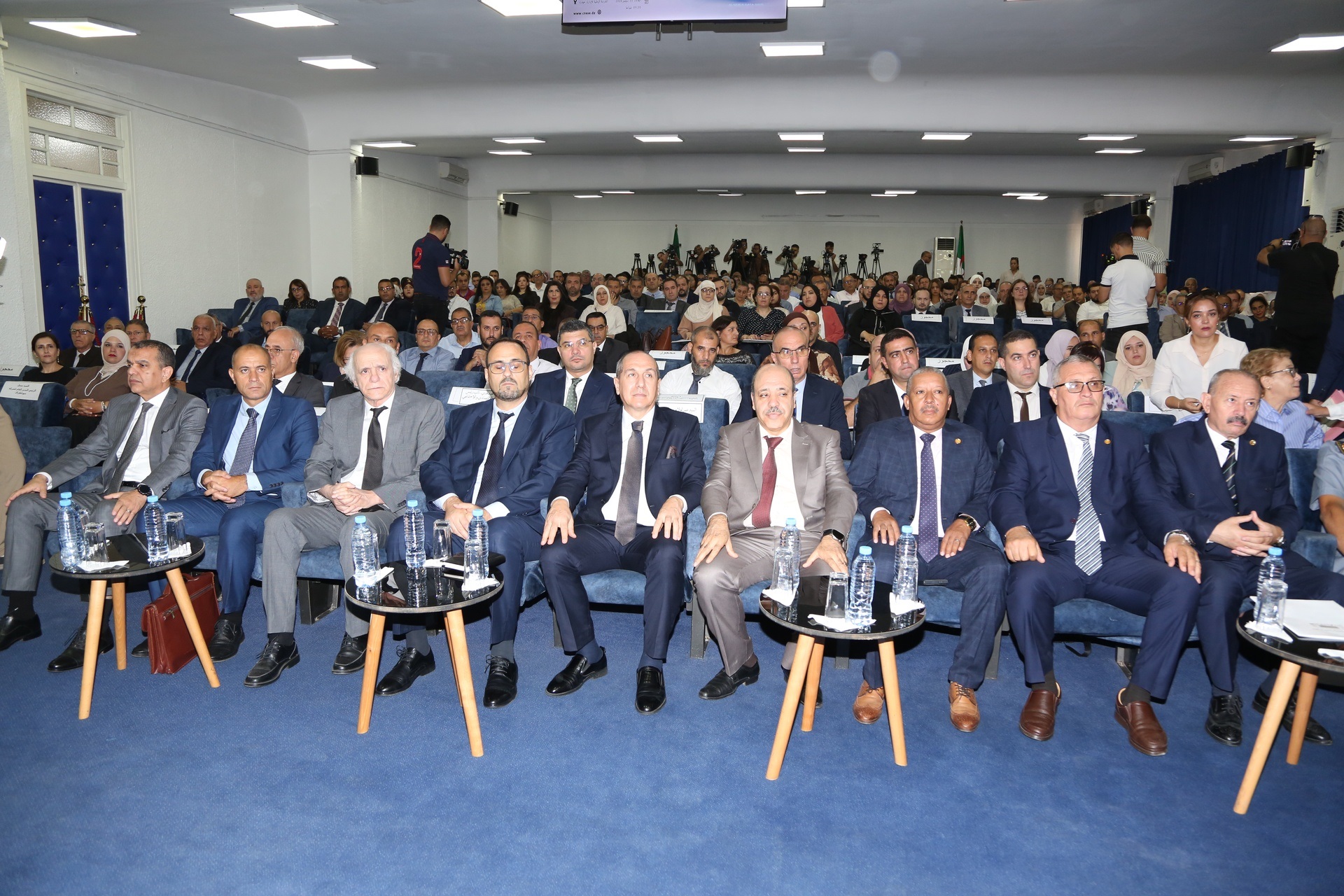
Algeria recorded more than 81 million electronic payments during the first half of 2026, demonstrating progress in its digital transition. This significant activity underpins the nation's push towards a dematerialized economy, with a clear objective to elevate the digital sector's contribution to 20% of the Gross Domestic Product by 2030. These developments were central to discussions at a high-level meeting held on September 15, 2026, at the National School of Administration.
Initiated by the National Economic, Social and Environmental Council (CNESE), the gathering brought together bankers, experts, and decision-makers to address the challenges of generalizing modern payment methods. Professor Mohamed Boukhari presided over the conference, which highlighted the strategic role of electronic transactions in enhancing the fluidity and transparency of exchanges. Discussions emphasized the critical need for reinforced synergy among banks, financial institutions, and technology enterprises, with GIE Monétique administrator M. Belloul Abou-bakr stressing the importance of close coordination to sustainably structure the national ecosystem.
The day's agenda centered on five major themes, each presented by recognized experts, aimed at rethinking the financial ecosystem. These themes included technology and infrastructure modernization, economic incentives for implementing a global digital strategy, sociocultural dimensions related to consumer behavior changes from cash, legal framework harmonization with rapid technological evolution, and the financial impact of modern mechanisms on the economic structure. This comprehensive approach is fully integrated into the National Digital Transformation Strategy (SNTN 2025-2030), which guides Algeria's broader digital ambitions for the decade.