

Arkab Confirms Trans-Saharan Gas Pipeline 20 Billion Cubic Meter Capacity
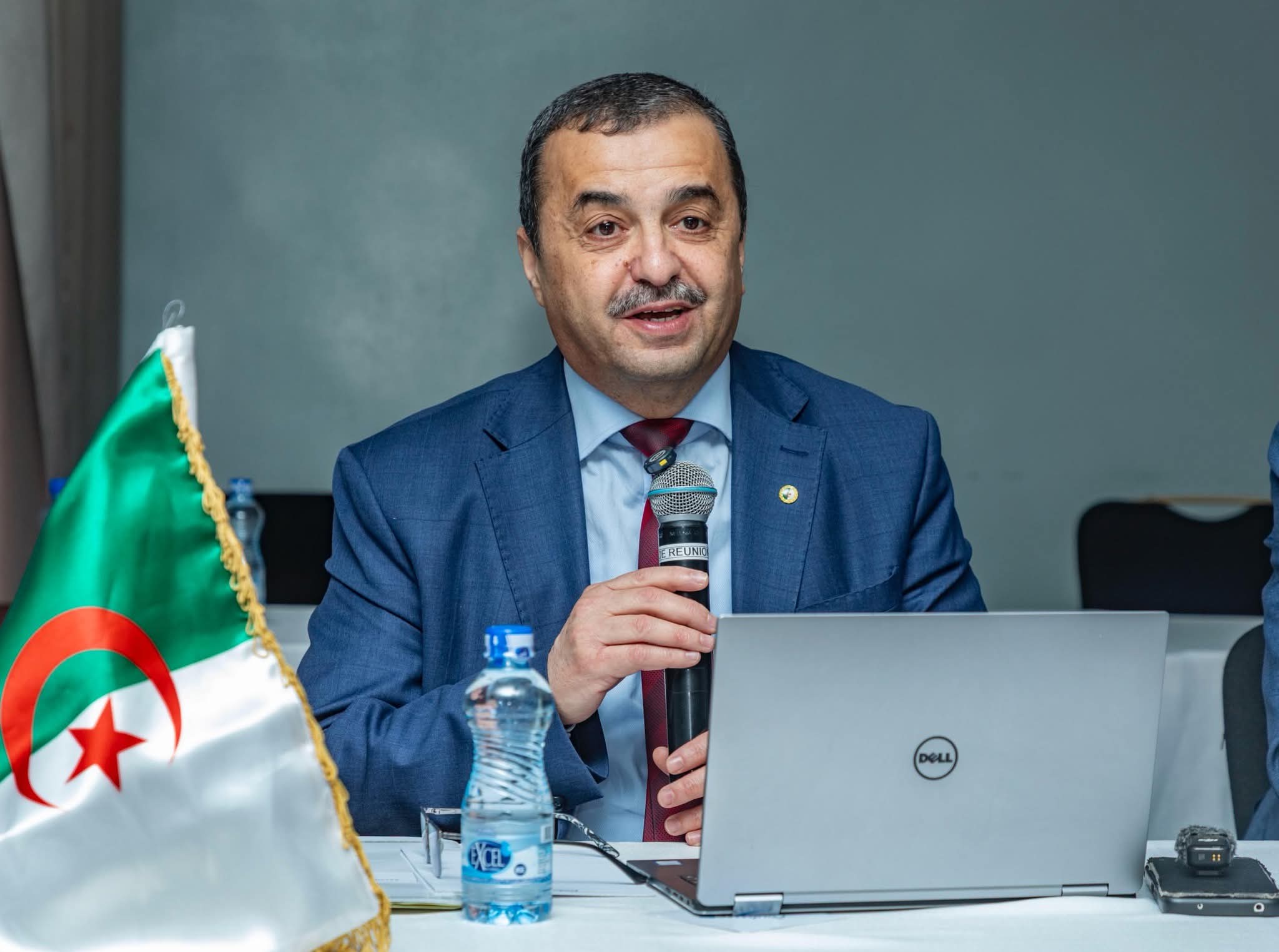
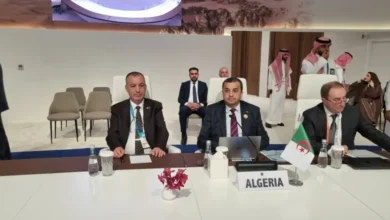
Algeria's Minister of Hydrocarbons, Mohamed Arkab, confirmed at the World Energy Congress in Riyadh that the Trans-Saharan Gas Pipeline (TSGP) project is set to transport 20 billion cubic meters of natural gas to Europe in its first phase. This capacity is planned to increase to 30 billion cubic meters in a subsequent stage. The project, which connects Nigeria, Niger, and Algeria, has seen Algeria commence its section of the pipeline, while preparations for its route through Niger are ongoing.
Minister Arkab emphasized Algeria's ongoing commitment to enhancing its production capabilities and expanding investments in the natural gas sector. These efforts are aimed at bolstering energy security for both Algeria and its European partners. The nation is actively developing its energy infrastructure, which includes strengthening upstream production and expanding facilities for transport, processing, and refining, to meet growing domestic and international energy demands, particularly from Europe.
To facilitate these advancements, Algeria is working to create an environment conducive to attracting international investments and partnerships. Arkab noted that energy security is fundamentally linked to investment, and the sustainability of supplies necessitates long-term development of production capacities and infrastructure. Legislative adjustments, grounded in the 2019 Hydrocarbons Law, have been made to offer greater flexibility and attractiveness for international collaboration and advanced technologies. With only about 47 percent of Algeria's mining domain currently under investment, substantial opportunities remain, especially within the natural gas sector. The country is also preparing to launch a hydrocarbon licensing round for 2026, encompassing seven areas for exploration and development.
Further underscoring its strategic approach to energy, Algeria has initiated a program to construct photovoltaic solar power plants with a total capacity of 3200 megawatts, with completion targeted for the end of 2026. The operationalization of these solar plants is expected to reduce the volume of natural gas used for domestic electricity generation, thereby freeing up additional quantities for both local and international markets. These initiatives collectively reinforce Algeria's role in global energy security and its capacity to meet the evolving needs of its partners.
2 Comments