OAIC Resumes Global Soft Wheat Purchases for Food Security
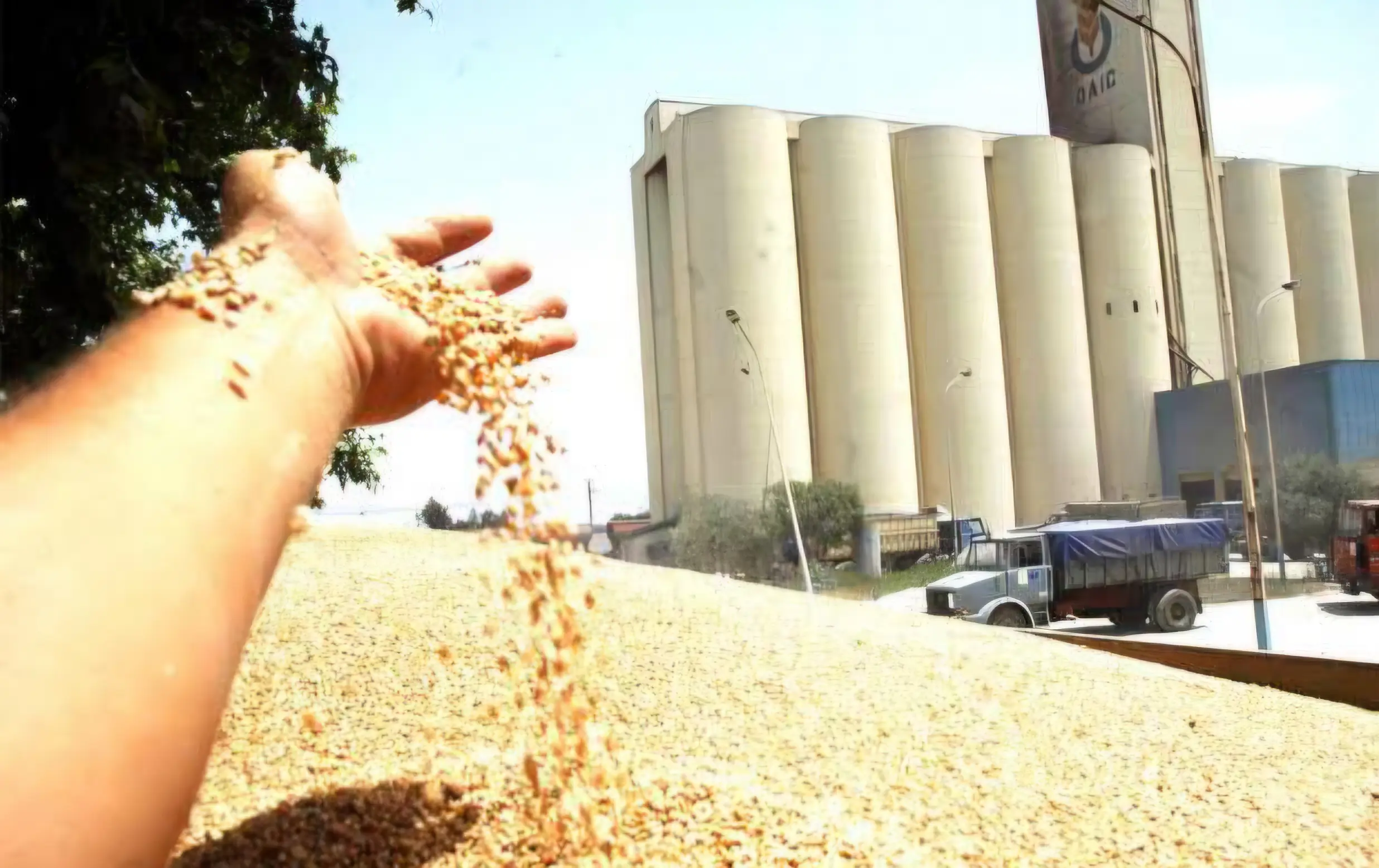
The Algerian Interprofessional Cereals Office (OAIC) has initiated a new round of global soft wheat purchases, strategically re-entering international markets to ensure a stable supply of bread flour for the domestic market. This move underscores the government's commitment to national food security, utilizing imports to meet the continuous demand for essential foodstuffs. The current tender, reported by Reuters to be for an indicative volume of 50,000 tonnes of optional origin soft wheat, is part of a broader procurement strategy, with the OAIC typically finalizing significantly larger quantities.
Brokerage firms have a tight deadline, with proposals due by October 13 and remaining valid until October 14. This latest tender follows a substantial operation concluded in September, during which Algeria successfully secured approximately 500,000 tonnes of soft wheat. These earlier acquisitions were completed at a competitive price of between $319 and $321 per tonne, inclusive of cost and freight. The OAIC's specifications for the new purchases include maritime delivery in two distinct windows in December for traditional supply sources, with an additional month allocated for logistics from more distant origins such as South America, Australia, or India, demonstrating comprehensive planning.
While local agricultural forecasts project exceptional performance for the 2026 cereal campaign, particularly for durum wheat and barley, the need for soft wheat imports persists. Projections indicate that Algeria's durum wheat harvest could surpass 2.4 million tonnes, creating a historic surplus of approximately 1.5 million tonnes against an estimated national demand of 900,000 tonnes, potentially opening avenues for export. However, soft wheat, vital for bread production, structurally relies on external purchases, necessitating an uninterrupted import flow. On the international front, state buyers are navigating global logistics challenges, including Black Sea maritime disruptions. Nevertheless, a recent decline in global cereal prices presents a favorable financial opportunity, enabling Algeria to competitively replenish its strategic stocks.