France Downplays Parliament’s Vote on Algerian Immigration Accord Amidst Diplomatic Tensions
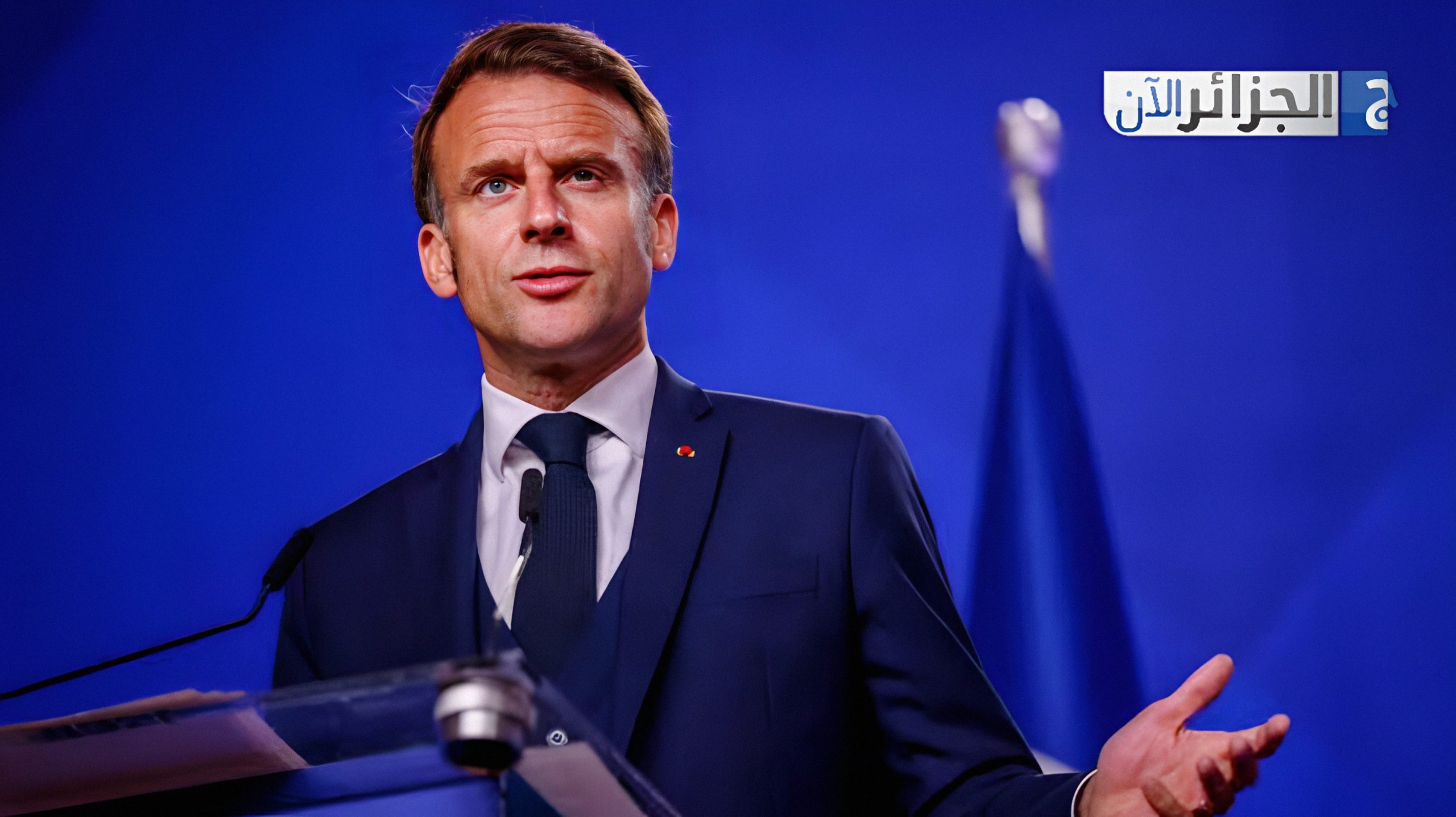
Paris is attempting to mitigate the diplomatic fallout from a recent vote in the French National Assembly concerning a decades-old immigration agreement with Algeria. While the non-binding resolution calling for the revision or outright cancellation of the 1968 accord has sparked considerable controversy, official sources in France are emphasizing the government’s commitment to continued dialogue and strategic partnership with Algiers. The move comes as right-wing sentiment continues to rise in France, placing additional strain on the delicate relationship between the two nations.
The 1968 agreement, forged in the aftermath of Algeria’s independence, governs the residency, employment, and movement of Algerian citizens in France. It granted Algerians certain preferential treatment, including long-term residency permits and family reunification rights, reflecting the significant contribution of Algerian workers to the post-war French economy. However, these provisions have increasingly become targets of criticism from right-wing parties, who argue that they violate principles of equality among foreign nationals.
According to sources within the French government, the parliamentary vote, spearheaded by the far-right Rassemblement National party, is viewed as an attempt to undermine ongoing diplomatic efforts with Algeria. Speaking to *Le Figaro*, a senior official from the French Ministry of Foreign Affairs reiterated the government’s opposition to unilaterally abrogating the agreement, stating that the official position remains one of renegotiation with Algeria, while upholding the spirit of strategic partnership. The official stressed that the vote holds no legal weight and does not reflect the official policy of the French state.
Echoing this sentiment, an advisor to President Macron, reportedly expressed bewilderment at the parliamentary action, sarcastically noting that foreign policy was not typically within the purview of the National Assembly. The advisor emphasized that the negotiation and termination of international treaties are the exclusive prerogative of the President. Sources familiar with the matter have dismissed the vote as a symbolic gesture devoid of legal consequence, adding that Algerian officials understand that the vote does not represent the French government’s stance but rather reflects internal political maneuvering by the far right. The priority, they maintain, is to resume security cooperation and strengthen bilateral dialogue, asserting that such theatrics will not derail ongoing efforts to build a relationship based on trust and tangible results.
Professor Amina Rebahi, a professor of political science and international relations at the University of Algiers 3, told DZWatch that the debate surrounding the 1968 agreement reflects a broader shift towards increased xenophobia and anti-immigrant sentiment in French politics, fueled by the rise of the far right, which exploits immigration as a domestic electoral issue. She pointed out that the agreement was signed in a specific historical context following Algeria’s independence, regulating the residence, work, and movement of the Algerian community, which at the time contributed to rebuilding the French economy after the war. It also granted Algerians important legal and humanitarian privileges, most notably the ten-year long-term residence permit, the right to family reunification, and facilities for Algerian students in French universities who were treated on an equal footing with their French counterparts.
Professor Rebahi explained that this preferential treatment has, over time, sparked increasing rejection from far-right movements that considered the agreement a violation of the principle of equality between foreign communities. She recalled the statement of former President Nicolas Sarkozy, who described the agreement as “granting an unjustified advantage to the Algerian community,” considering that a starting point for a political discourse dominated by populism and racism. She noted that the agreement has undergone several amendments, most notably the 2001 amendment, which tightened the conditions for granting visas and residence permits to Algerians, gradually stripping it of its original humanitarian content. Nevertheless, the far right, led by Marine Le Pen, continued to raise the slogan of its complete abolition under the pretext of achieving equality, while this discourse hides racist and Islamophobic tendencies that reflect the tense climate that characterizes French society today.
For more information about Algeria, check our dedicated section.
Professor Rebahi emphasized that the recent vote in the National Assembly has no direct legal effect because the French Parliament does not have the power to abolish international agreements, as this jurisdiction belongs to the executive branch represented by the President. She predicted that this far-right trend will lead to increased tension between Algeria and France if Paris persists in unilateral steps that harm the interests of the Algerian community, which exceeds two million people. She considered that Algeria “will not remain idle in the face of any escalation of this kind” and may resort to retaliation or review bilateral agreements to protect its interests and the interests of its community. She concluded by saying that what is happening in France reflects a deep internal political crisis more than it expresses a real dispute with Algeria, as the far right seeks to direct public opinion and distract it from the economic and social crises by demonizing Algerian immigrants and turning them into a ready-made political scapegoat.
The current situation highlights the delicate balancing act France must perform, navigating domestic political pressures from a resurgent right wing while maintaining a crucial strategic relationship with Algeria. The country is a key partner in areas such as counter-terrorism, energy security, and regional stability in the Sahel. Any significant deterioration in relations could have far-reaching consequences for both nations and the wider region.
The narrow margin by which the resolution passed – 185 votes to 184 – underscores the deep divisions within French society regarding immigration and national identity. The Rassemblement National, buoyed by recent electoral gains, has successfully pushed the issue of immigration to the forefront of the political agenda, forcing mainstream parties to respond. This has created a climate of heightened tension and uncertainty, particularly for the large Algerian community residing in France.
The Algerian government has yet to issue an official statement on the parliamentary vote. However, analysts suggest that Algiers is closely monitoring the situation and will likely respond firmly to any actions that it perceives as detrimental to the interests of its citizens living in France. Potential retaliatory measures could include reviewing bilateral agreements, tightening visa requirements for French nationals, and reassessing cooperation on security matters.
The future of the Franco-Algerian relationship hinges on the ability of both governments to manage these tensions effectively. While the parliamentary vote is largely symbolic, it serves as a potent reminder of the challenges and sensitivities that continue to shape the relationship between these two nations with intertwined histories. A commitment to open dialogue, mutual respect, and a pragmatic approach to addressing shared challenges will be crucial in navigating the complexities that lie ahead. The path forward requires careful diplomacy and a recognition that the strategic partnership between France and Algeria is vital for both countries and for the stability of the broader Mediterranean region.