Algeria’s Rise in Food Security: From Desert Sands to Fields of Plenty
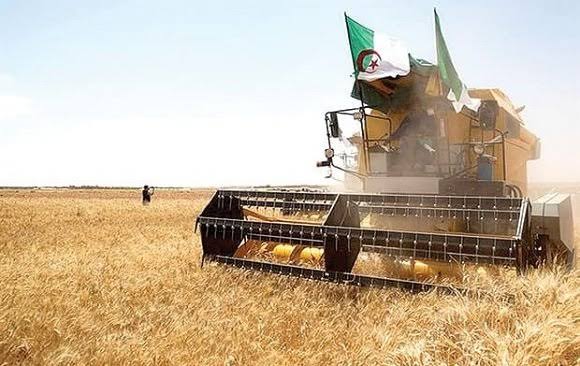
Algeria is making significant strides towards achieving food sovereignty, securing a notable position on the global stage. The nation ranked 48th out of 123 countries assessed in the 2025 Global Hunger Index, achieving a score of 7.1. This places Algeria in the “low hunger” category, a testament to the effectiveness of its policies aimed at tackling food-related challenges and promoting national production.
The Global Hunger Index, compiled by organizations such as Welthungerhilfe, Concern Worldwide, and the Institute for International Law of Peace and Armed Conflict (IFHV), highlights Algeria’s success in implementing a comprehensive development vision focused on reducing dependence on foreign imports and bolstering domestic agricultural output. This achievement represents a crucial step in Algeria’s journey toward self-reliance and economic independence.
Over the past decade, Algeria has dramatically transformed its agricultural landscape, particularly in the southern regions. Areas once characterized by arid desert conditions have been converted into thriving agricultural hubs. In provinces like Biskra, El Oued, Ouargla, and Laghouat, vast stretches of sand have been transformed into verdant fields producing substantial quantities of wheat, potatoes, alfalfa, and various vegetables. These yields, once considered a distant dream, are now a reality, thanks to strategic investments and policy initiatives.
This agricultural revolution is not a mere coincidence. It is the result of a deliberate and sustained policy framework centered on land reclamation, mechanization, and smart irrigation techniques. These factors have collectively transformed Saharan agriculture into a symbol of strategic change that is reshaping the national economy. The Algerian government has prioritized the development of its agricultural sector, recognizing its critical role in ensuring food security and reducing reliance on external sources.
At the heart of this transformation are the Algerian farmers and investors who have emerged as the vanguard in the battle for food sovereignty. The state has actively supported these individuals by providing access to financing, modern seeds, and fertilizers. Furthermore, comprehensive training and support programs have been implemented to enhance their skills and productivity. These efforts have led to a significant increase in the production of both durum and soft wheat, as well as a gradual rise in agricultural exports.
The Algerian farmer has once again become a symbol of national sovereignty, much like the freedom fighter who symbolized liberation. The government’s commitment to supporting the agricultural sector is evident in its policies and investments, which are aimed at empowering farmers and ensuring that they have the resources they need to succeed.
For more information about Algeria, check our dedicated section.
Algeria’s agricultural policy is intrinsically linked to social equity. The state has maintained its commitment to subsidizing essential commodities such as wheat, oil, milk, and sugar, ensuring that prices remain affordable for citizens, particularly those in vulnerable groups and remote areas. Furthermore, school feeding programs and collective nutrition initiatives in schools, hospitals, and universities continue to operate, guaranteeing that no Algerian is left vulnerable to hunger or deprivation. The government recognizes that food security is not only an economic issue but also a social imperative.
The Algerian experience has garnered international recognition, with a United Nations report describing it as a “highly effective and sustainable model” that successfully combines economic vision with social solidarity. Algeria is one of the few countries in Africa that has managed to maintain a low hunger level despite facing climate and economic challenges. This success story has elevated Algeria’s image on the international stage, showcasing it as a leading African model in food security.
Algeria is now focused on leveraging agriculture as a catalyst for diversifying the national economy. This includes supporting emerging enterprises in the food processing industry and promoting exports to African and Arab markets. The ultimate goal is to achieve complete self-sufficiency in wheat, oils, and legumes, which would solidify Algeria’s position as a genuine regional food power. The government is actively encouraging innovation and entrepreneurship in the agricultural sector, recognizing that these are essential for long-term sustainability and growth.
The ranking of 48th in the Global Hunger Index is more than just a statistical figure; it represents global recognition of Algeria’s capacity to translate its political will into tangible outcomes. In a world increasingly plagued by hunger, Algeria is demonstrating that investing in land is an investment in dignity and sovereignty, and that national liberation is incomplete until the provision of bread is free from dependence. This achievement underscores Algeria’s commitment to building a resilient and self-sufficient economy that can meet the needs of its citizens while also contributing to regional food security. The focus now is on consolidating these gains and building upon them to achieve even greater progress in the years to come. Algeria’s story serves as an inspiration to other nations in the region and beyond, demonstrating that with strategic planning, investment, and a commitment to social equity, it is possible to overcome the challenges of food insecurity and build a brighter future for all.