Ukraine Strikes Russian Energy Facilities, Moscow Retaliates with EU Entry Bans
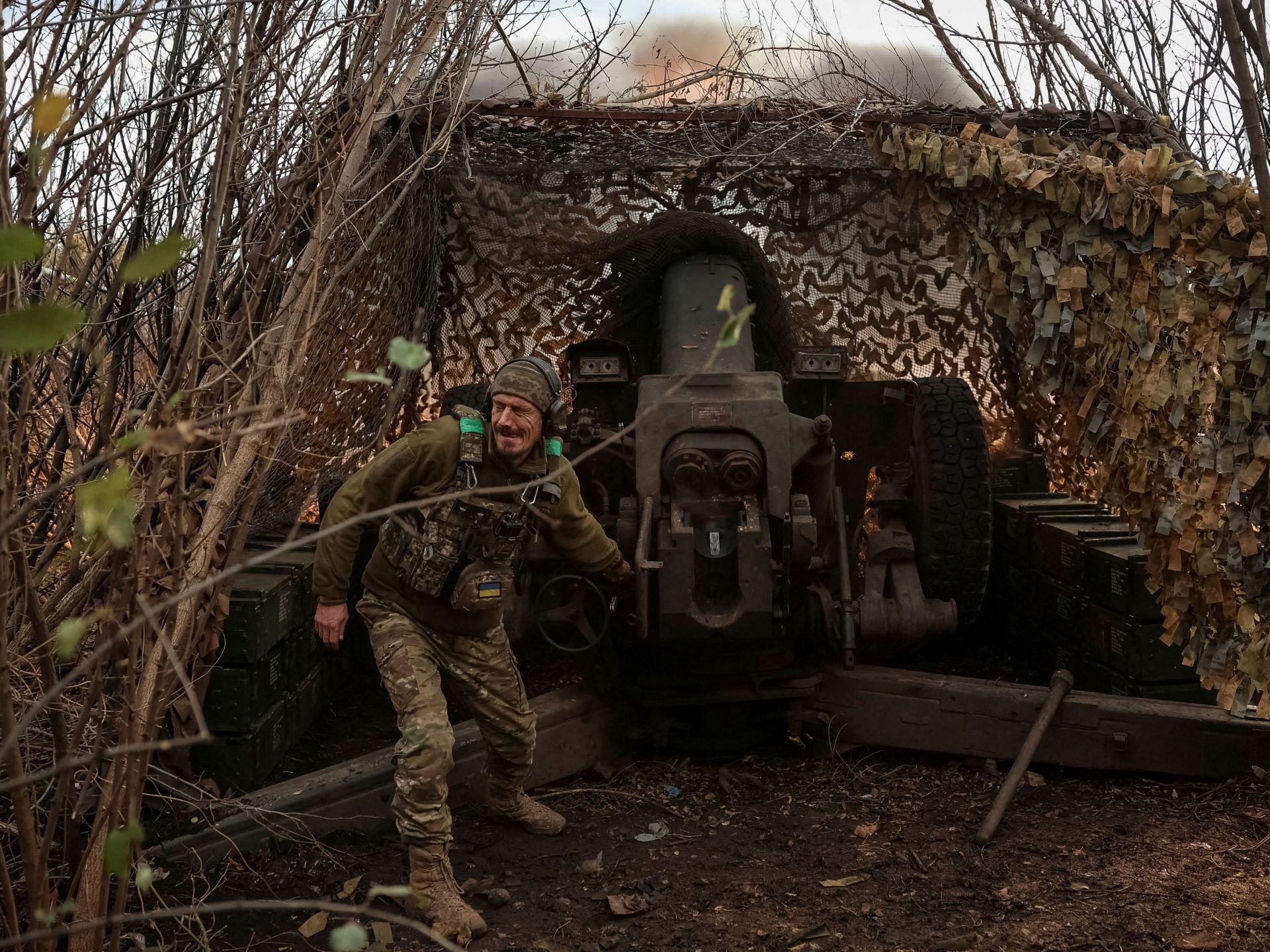
Kyiv’s forces escalated the conflict today, targeting Russian energy infrastructure, while Moscow responded to recent European Union sanctions with its own set of entry bans, signaling a further deterioration in relations. The Ukrainian Navy announced that it had successfully struck two key energy facilities within Russia, employing Neptune cruise missiles to cripple installations vital for supporting military operations.
The targeted sites were identified as a thermal power plant in the Oryol region and a power substation in Novobryansk. In a statement released via Telegram, the Ukrainian Navy asserted that these facilities provided crucial power supplies to military enterprises within the region. The destruction of these assets, therefore, represents a significant blow to Russia’s logistical capabilities and its ability to sustain its military presence in the area.
While Ukraine has become increasingly reliant on drone technology to conduct strikes deep within Russian territory, the development and deployment of domestically produced missile systems, such as the Neptune, demonstrate a growing sophistication in its offensive capabilities. This shift underscores Ukraine’s commitment to developing indigenous weapons programs to counter the Russian aggression.
Recent weeks have witnessed a surge in Ukrainian drone attacks targeting Russian oil refineries, causing disruptions to fuel supplies in several regions and leading to price increases of approximately 20% over the past six months. These attacks highlight Ukraine’s strategy of targeting critical infrastructure to weaken Russia’s economic and military capacity.
Russia’s Ministry of Defense reported earlier today that its air defenses had intercepted and destroyed 130 Ukrainian drones overnight. Simultaneously, authorities in the Ukrainian city of Sumy reported that eleven people had been injured in a Russian drone attack. These reciprocal attacks illustrate the escalating nature of the conflict, with both sides increasingly targeting civilian areas and critical infrastructure.
The previous night, a massive Russian assault on Ukrainian energy facilities resulted in the deaths of at least four people, including a young girl, and caused widespread power outages across the country. This attack is part of a broader Russian strategy to cripple Ukraine’s energy grid as winter approaches, exacerbating the humanitarian crisis and increasing pressure on the Ukrainian government.
For more information about Algeria, check our dedicated section.
Since the commencement of its military operations in Ukraine in early 2022, the Russian military has launched a renewed campaign of strikes targeting Ukraine’s energy network in recent weeks. This strategy appears aimed at weakening Ukraine’s resolve and undermining its ability to sustain its war effort.
Russia also claimed to have captured two more villages, Sadovoye in the Kharkiv region and Krasnogorovka in the Zaporizhzhia region, amidst reports that Ukrainian forces are losing ground in these areas. These territorial gains, while relatively small, underscore the ongoing challenges faced by Ukrainian forces in holding the line against the Russian offensive.
Responding to the latest round of European Union sanctions, the Russian Foreign Ministry announced today that it was imposing entry bans on an unspecified number of EU officials. The ministry did not release a list of individuals targeted by the ban.
The European Commission adopted the 19th package of sanctions against Russia on October 23rd, citing Russia’s ongoing war in Ukraine as the justification. This package includes a ban on imports of Russian liquefied natural gas (LNG) and sanctions targeting banks in Central Asia, Chinese refining companies, and elements of Russia’s “shadow fleet,” which is used to circumvent existing sanctions.
Moscow has consistently condemned Western and European sanctions, dismissing them as ineffective and futile. The Russian government has repeatedly stated that it reserves the right to respond to these sanctions in a manner proportionate to its interests. The tit-for-tat measures underscore the deepening rift between Russia and the West, with no immediate prospect of de-escalation in sight. The conflict continues to evolve, marked by escalating attacks on critical infrastructure and a hardening of positions on both sides, raising concerns about the long-term consequences for regional stability and international relations. The Algerian government, maintaining a neutral stance, continues to monitor the situation closely, emphasizing the need for a diplomatic resolution to the crisis and advocating for the protection of civilian populations caught in the crossfire. DZWatch will continue to provide comprehensive and unbiased coverage of the ongoing conflict and its implications for Algeria and the wider world.