Venezuela Seeks Military Aid from Russia, China, and Iran Amid US Tensions
Caracas – As tensions escalate between Venezuela and the United States, President Nicolas Maduro has reportedly reached out to Russia, China, and Iran for military assistance, according to leaked US administration documents obtained by The Washington Post. The documents suggest Maduro is seeking advanced weaponry and logistical support in anticipation of a potential US military intervention.
The alleged requests come amidst a build-up of US military presence in the Caribbean Sea, including the expected arrival of the aircraft carrier USS Gerald R. Ford in the coming days. While US President Donald Trump has denied plans to launch strikes within Venezuela, the increased military activity has fueled speculation about a possible invasion or attempt to oust Maduro from power.
The documents detail two letters reportedly sent by Maduro to Russian President Vladimir Putin and Chinese President Xi Jinping. In his letter to Putin, Maduro allegedly requested assistance in modernizing Venezuela’s fleet of Sukhoi Su-30MK2 fighter jets, which were previously purchased from Russia. The requests included the repair of eight engines and five radar systems in Russia, the acquisition of 14 missile packages, and unspecified logistical support. The documents do not elaborate on the specific type of missiles requested.
Maduro’s letter to Xi Jinping reportedly focused on expanding military cooperation to counter what he described as “escalation between the United States and Venezuela.” He urged Beijing to expedite the production of radar systems by Chinese companies, suggesting a desire to bolster Venezuela’s air defense capabilities. The specific type and quantity of radar systems requested were not detailed in the leaked documents.
Adding to the complexity of the situation, the leaked documents also allege that Venezuela’s Minister of Transportation recently coordinated a shipment of military equipment and drones from Iran. The nature and quantity of these items remain unclear, but the involvement of Iran in providing military support would further strain relations between Venezuela and the United States, given the existing US sanctions against both countries.
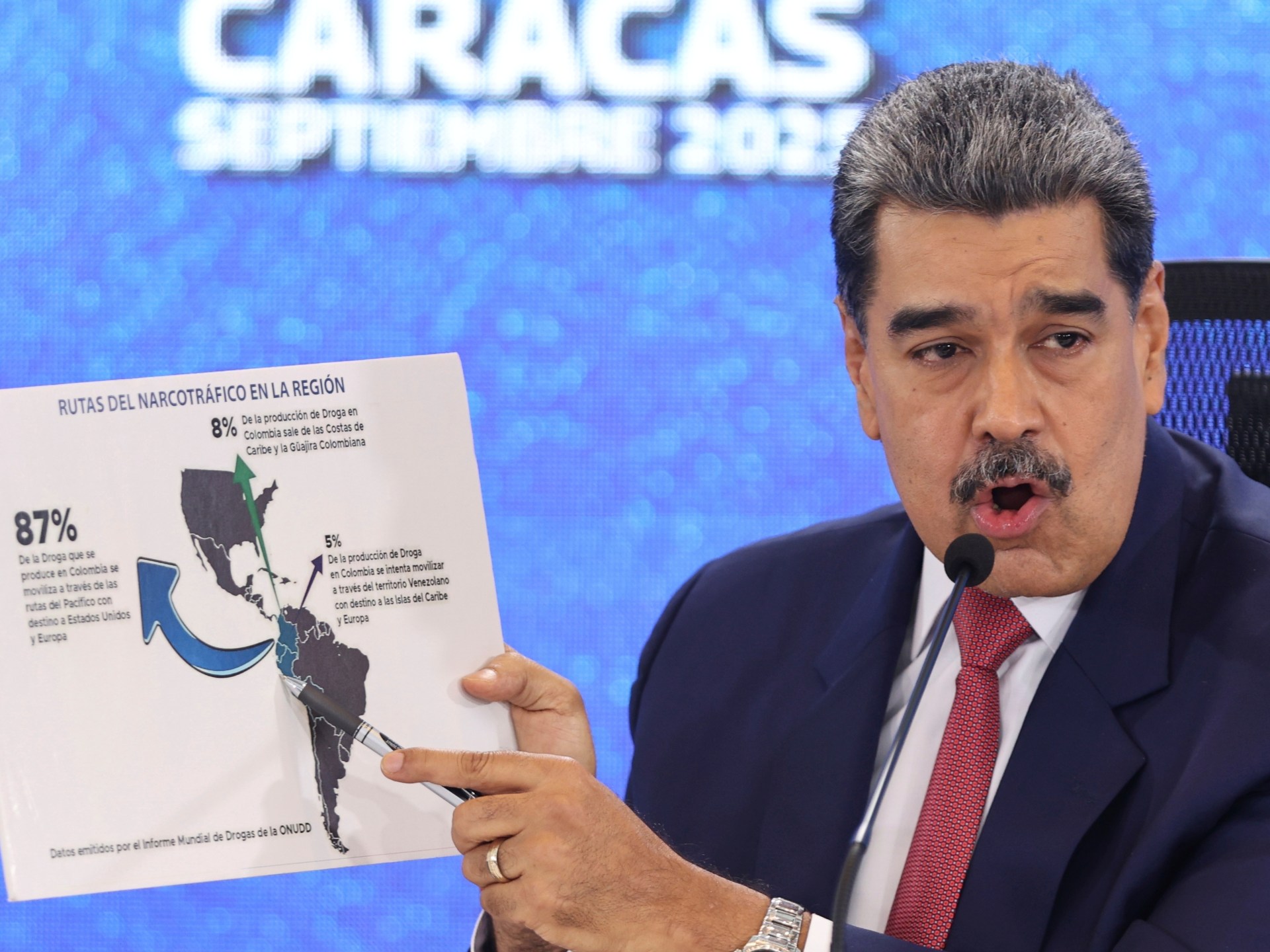
The US military build-up in the Caribbean has been justified by the Trump administration as part of an effort to combat drug trafficking. Over the past weeks, the US military has conducted a series of air strikes targeting alleged drug smuggling vessels in the Caribbean Sea and the Eastern Pacific Ocean, resulting in the deaths of at least 37 people, according to reports. The Trump administration accuses the Maduro regime of collaborating with Venezuelan criminal gangs and facilitating drug smuggling and illegal immigration into the United States – allegations that have been denied by Venezuelan officials and some US intelligence agencies.
For more information about Culture, check our dedicated section.
The situation raises serious concerns about regional stability and the potential for armed conflict. Observers note that the US has a long history of intervention in Latin American affairs, including support for coups and destabilization efforts. A potential US intervention in Venezuela could have devastating consequences for the country and the wider region, leading to a humanitarian crisis and further exacerbating existing economic and political problems.
The accusations against Maduro echo similar claims made in the past, often followed by increased pressure from the US. The current situation differs, however, given the specific nature of the alleged requests for military assistance from countries like Russia and Iran, nations with their own strained relationships with the US.
From an Algerian perspective, these developments are particularly concerning. Algeria has historically advocated for non-interference in the internal affairs of sovereign nations and has consistently supported peaceful resolutions to international disputes. The potential for a US military intervention in Venezuela would represent a violation of these principles and could set a dangerous precedent for other countries in the region. Algeria’s government will likely urge all parties to exercise restraint and pursue diplomatic solutions to de-escalate the situation.
The unfolding events also highlight the growing geopolitical competition between the United States, Russia, and China in Latin America. Venezuela has become a key battleground in this competition, with Russia and China providing economic and military support to the Maduro regime in defiance of US sanctions and pressure. The outcome of this struggle will have significant implications for the future of the region and the balance of power in the international arena.
DZWatch will continue to monitor the situation closely and provide updates as they become available. The need for a peaceful, negotiated solution that respects Venezuela’s sovereignty and the well-being of its people is paramount. The international community must work together to prevent a further escalation of tensions and avoid a potentially disastrous conflict in the region. The situation also calls into question the effectiveness of US foreign policy in Latin America, as well as the long-term impact of sanctions and military pressure on targeted nations. The Algerian perspective emphasizes the importance of dialogue and cooperation to resolve international disputes, offering an alternative approach to the current tensions surrounding Venezuela.