Algeria Launches Nationwide School Vaccination Campaign to Combat Diphtheria Outbreak
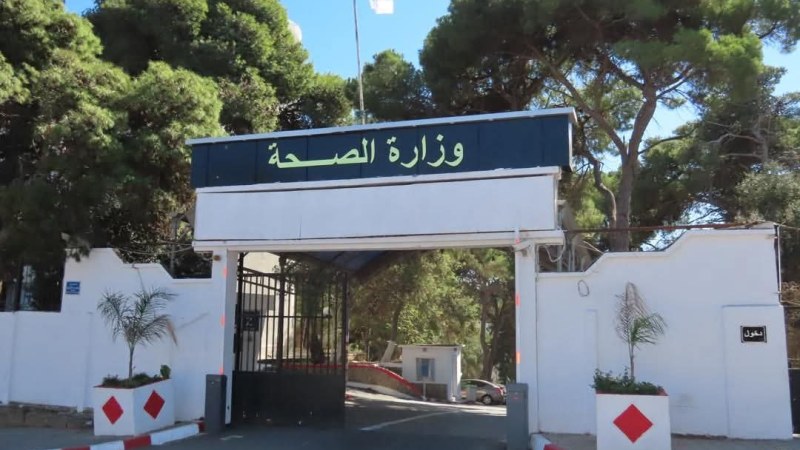
Algiers, DZWatch – In a concerted effort to safeguard the health of students and prevent the spread of diphtheria, the Algerian government has initiated a nationwide vaccination campaign targeting schoolchildren across the country. The initiative, launched immediately following the resumption of classes after a short four-day break on Sunday, November 2nd, 2025, involves close collaboration between the Ministries of Education and Health, aiming to contain a recent surge in diphtheria cases detected in several regions.
The campaign is a direct response to Ministry of Health directive number 24, issued on October 26th, 2025, which mandates heightened vigilance, early warning systems, and rapid response protocols to address the identified diphtheria outbreaks. Health officials have expressed concern over the emergence of new cases, with a specific outbreak cluster identified in one unnamed province, prompting the urgent implementation of preventative measures.
Education directorates across the country are working in tandem with local health authorities to facilitate the smooth execution of the vaccination program within schools. The Ministry of Health has instructed regional health directorates to prioritize and accelerate vaccination efforts in educational institutions, emphasizing the critical role of proactive health monitoring and rapid response mechanisms.
As part of the enhanced surveillance measures, healthcare professionals are being reminded of the clinical definition of diphtheria and urged to remain vigilant for any similar symptoms. Emphasis is placed on the immediate reporting of suspected cases to ensure swift intervention and containment. The Ministry of Health has also mandated weekly monitoring of respiratory syndromes in affected areas, thorough investigation of all suspected cases, and the proactive tracing and management of contacts, including the administration of prophylactic antibiotics where necessary.
Beyond preventative measures, the Ministry of Health is prioritizing the availability of treatment resources, ensuring adequate supplies of diphtheria antitoxin and essential medical equipment. Strict adherence to established treatment protocols and isolation procedures is also emphasized to minimize the risk of further transmission. The campaign also includes a strong focus on public awareness, with targeted educational initiatives planned for regions with historically low vaccination coverage. These campaigns aim to highlight the importance of vaccination in preventing diphtheria and other vaccine-preventable diseases.
The Ministry of Health underscores the paramount importance of routine childhood immunizations and urges parents to ensure their children are up-to-date on their vaccination schedules. The acceleration of vaccination campaigns in schools is specifically aimed at reaching unvaccinated or under-vaccinated children, with the potential use of the DTCA-VPI vaccine for the 11-13 age group being considered. Parents are encouraged to consult their nearest healthcare facility for any questions or concerns regarding vaccinations.
“Vaccination remains the most effective means of protection against diphtheria,” stated a Ministry of Health spokesperson. “We urge all parents to verify their children’s vaccination records and seek guidance from healthcare professionals if they have any doubts or require further information.”
Diphtheria is a serious bacterial infection that primarily affects the mucous membranes of the nose and throat. It is characterized by a thick, grey coating that can obstruct breathing and swallowing. The disease can also damage the heart, kidneys, and nerves. While diphtheria was once a common childhood illness, it is now rare in countries with widespread vaccination programs. However, outbreaks can still occur in areas with low vaccination rates.
For more information about Algeria, check our dedicated section.
The ongoing national vaccination campaign represents a significant step forward in strengthening public health in Algeria. The collaborative approach between the Ministries of Health and Education, coupled with a commitment to stringent preventative measures, aims to effectively control the spread of diphtheria and protect the health and well-being of schoolchildren. The success of this campaign hinges on the sustained vigilance of all stakeholders, from healthcare professionals and educators to families, working collectively to safeguard the health of the school community.
The province of Skikda is receiving particular attention due to a higher prevalence of cases, with ongoing vaccination efforts targeting various segments of the population in that region. The government’s proactive response highlights its commitment to protecting its citizens from preventable diseases and ensuring a healthy learning environment for all Algerian students.
DZWatch will continue to provide updates on the progress of the vaccination campaign and any further developments related to the diphtheria outbreak. We encourage our readers to stay informed and take the necessary steps to protect themselves and their families.
Furthermore, experts are emphasizing the importance of booster shots for adults who may not have received a booster in the past ten years, as immunity can wane over time. While the current campaign is focused on school-aged children, public health officials are considering expanding the program to include adult booster vaccinations in the future. This proactive approach demonstrates a commitment to long-term disease prevention and control.
The campaign also incorporates a robust data collection and analysis system to track vaccination rates, identify areas with low coverage, and monitor the effectiveness of the intervention. This data-driven approach will allow health officials to make informed decisions and adjust the campaign strategy as needed to maximize its impact.
Finally, the government is working to address any concerns or misconceptions about vaccines through public education campaigns. These campaigns aim to dispel myths and provide accurate information about the safety and efficacy of vaccines. Building public trust is essential for the success of any vaccination program, and the government is committed to engaging with the community to address their concerns and promote informed decision-making.