
U.S. Strike in Caribbean Kills Three Suspected Drug Smugglers, Raising Regional Concerns
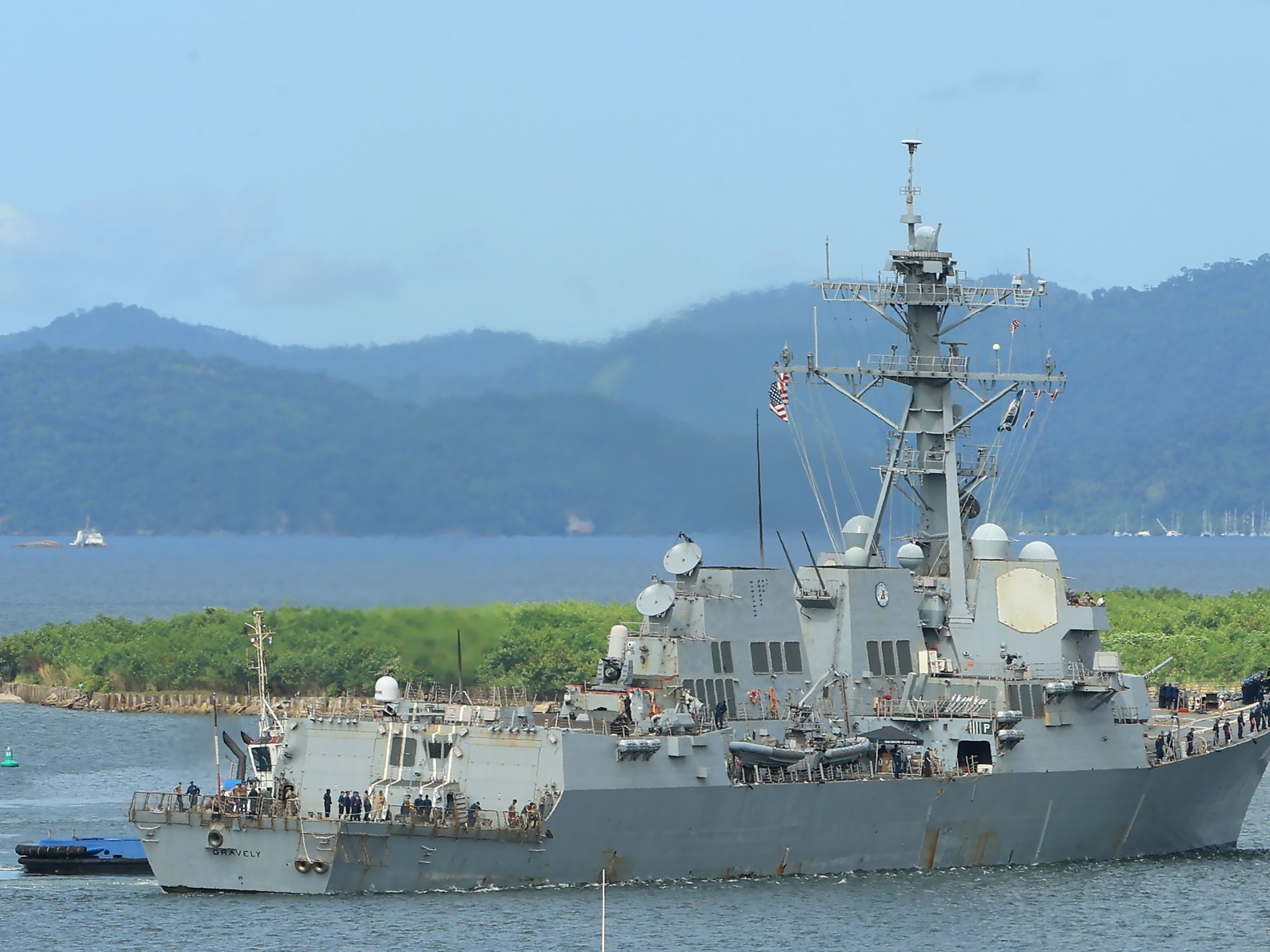
A U.S. military strike in the Caribbean Sea has resulted in the deaths of three individuals suspected of involvement in drug smuggling, according to a statement released by U.S. Defense Secretary Pete Higseth. The incident, which occurred on Saturday, marks the latest in a series of aggressive actions by the United States targeting alleged drug trafficking operations in international waters, igniting controversy and drawing criticism from governments across the region.
The United States has significantly bolstered its naval presence off the coast of South America in recent months, deploying warships and F-35 fighter jets to Puerto Rico. These deployments are part of a broader military operation ostensibly aimed at curbing the flow of narcotics into the United States. However, the scale and intensity of the U.S. campaign have raised eyebrows and triggered accusations of overreach.
According to reports, more than fifteen U.S. strikes against vessels suspected of drug trafficking in the Caribbean have resulted in the deaths of at least 65 people in recent weeks. These actions have sparked outrage and condemnation from various nations in the region, who view them as violations of international law and an infringement upon their sovereignty.
Defense Secretary Higseth took to social media platform X to confirm the latest strike, stating that it targeted “another drug-running boat… in the Caribbean Sea.” He further asserted that the targeted vessel, “like others, was known to our intelligence to be involved in drug smuggling.” Higseth’s statement explicitly acknowledged that “three narco-terrorists were on board at the time of the strike, which was carried out in international waters. All three terrorists were killed.”
The use of the term “narco-terrorists” by a high-ranking U.S. official has further inflamed tensions, with critics arguing that it serves to justify extrajudicial killings. Experts on international law have suggested that these attacks, which began in early September, could be construed as extrajudicial killings, even if the targets are known drug traffickers. A key point of contention is the lack of transparency and the absence of concrete evidence presented by Washington to substantiate its claims of drug trafficking.
“Where is the proof?” asks Dr. Isabella Rodriguez, a professor of international law at the University of the West Indies. “Accusations alone are insufficient justification for lethal force, especially in international waters. The U.S. needs to provide verifiable evidence to support their claims and demonstrate that these actions are in accordance with international law and human rights standards.”
The lack of due process and the potential for collateral damage are also major concerns. While the U.S. military maintains that it takes precautions to avoid civilian casualties, the inherent risks associated with targeting vessels at sea are undeniable. The potential for misidentification, mistaken intelligence, and unintended consequences raises serious ethical and legal questions.
For more information about Culture, check our dedicated section.
Despite the growing criticism, Secretary Higseth has vowed that Washington will continue to “hunt down and kill” alleged drug traffickers. This uncompromising stance suggests that the U.S. is unlikely to scale back its operations in the Caribbean Sea anytime soon.
The heightened U.S. naval presence off the coast of South America has also fueled speculation about potential ulterior motives. Some observers believe that the anti-drug operation is a pretext for a more aggressive posture towards Venezuela, whose government has long been at odds with Washington. The U.S. has accused the Maduro administration of collaborating with criminal organizations and facilitating drug trafficking and irregular migration to the United States, allegations that have been vehemently denied by Venezuelan officials.
Former U.S. President Donald Trump had previously floated the idea of military intervention in Venezuela, raising concerns about potential destabilization in the region. While the current administration has not explicitly endorsed such action, the increased military activity in the Caribbean has kept those concerns alive.
The situation is further complicated by the fact that the U.S. intelligence community has reportedly expressed skepticism about some of the claims made against the Maduro administration. This internal disagreement within the U.S. government underscores the need for greater transparency and accountability in the conduct of these operations.
The escalating conflict in the Caribbean Sea has significant implications for regional stability and international relations. It highlights the challenges of combating drug trafficking in a complex geopolitical environment, where the lines between law enforcement, military operations, and foreign policy become increasingly blurred. The U.S. actions risk alienating allies, undermining international law, and fueling a cycle of violence and instability.
DZWatch will continue to monitor this developing situation and provide updates as they become available. The safety and security of the region, as well as the adherence to international legal norms, remain paramount concerns. The need for dialogue and diplomacy to address the root causes of drug trafficking and resolve political disputes is more urgent than ever.