Gaza’s ‘Chocolate Siege’: Israel Accused of Masking Starvation with Sugary Imports
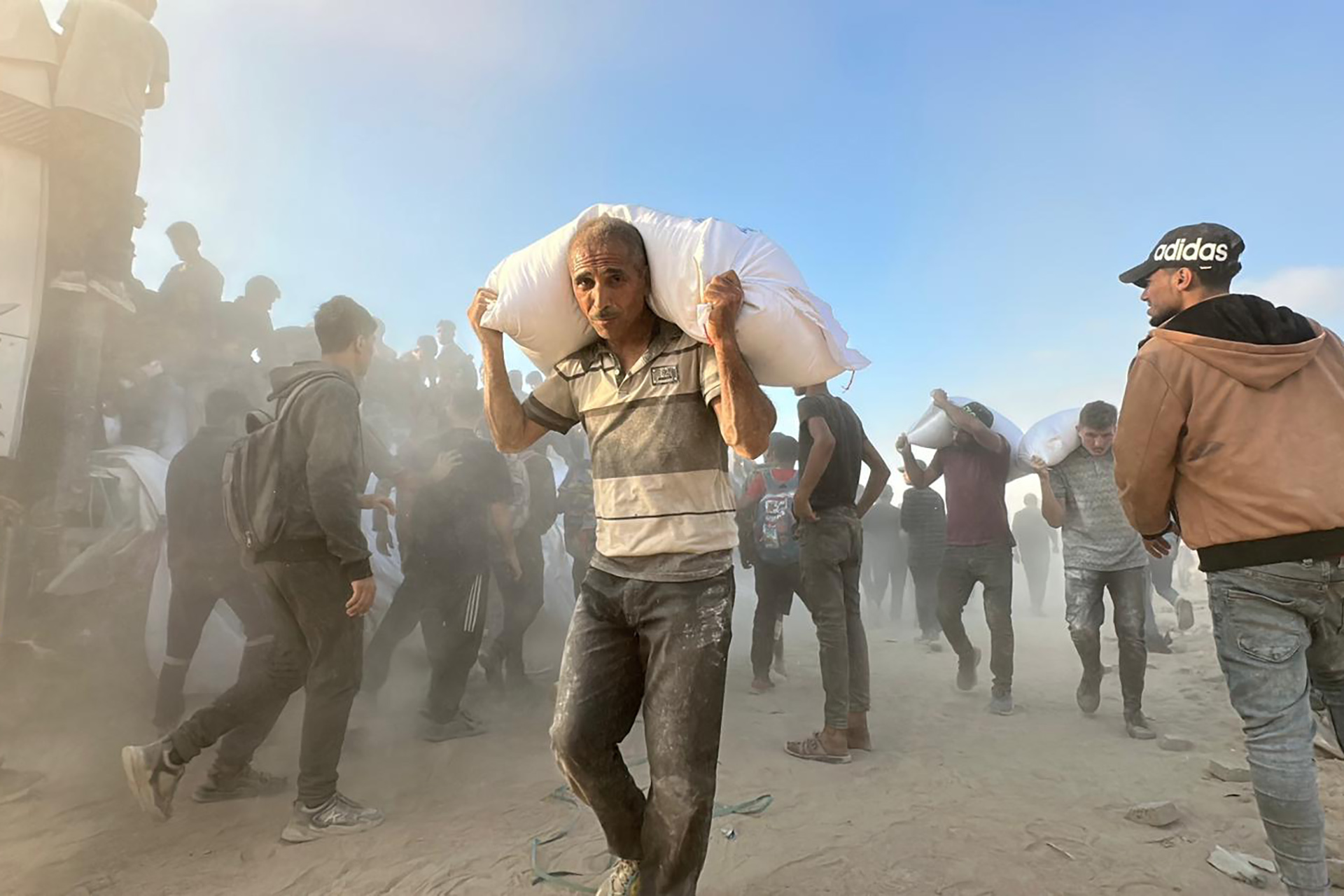
Gaza’s markets are now flooded with chocolate, coffee, and other non-essential goods, while essential food and medicine remain scarce, leading to accusations that Israel is deliberately obscuring the true extent of the humanitarian crisis. This unsettling trend has sparked outrage among Palestinians, who describe it as “starvation wrapped in sugar.”
For months, a peculiar phenomenon has been unfolding in the besieged Gaza Strip. While the territory remains under significant restrictions, there has been a noticeable influx of foods high in sugar, fat, and carbohydrates. Luxury items like imported coffee, fine chocolates, and ingredients for elaborate desserts are readily available, creating a superficial appearance of normalcy. However, this apparent abundance masks a far more sinister reality: a severe shortage of essential food items like meat, legumes, and fresh vegetables.
This selective import policy, critics argue, is not a sign of improved conditions but a calculated strategy to conceal the starvation that has plagued Gaza throughout the ongoing conflict. After over 700 days of war, destruction, and blockade, the population is facing a new form of hardship – one where the pangs of hunger are temporarily masked by empty calories.
Social media platforms have become a forum for Palestinians to voice their anger and frustration. Many have accused Israel of allowing only specific types of food into Gaza, foods that artificially inflate the weight of the population, creating the false impression that the famine has ended. In reality, malnutrition rates and deficiencies in vital nutrients continue to rise. The underlying cause of this condition is a lack of access to essential food items that make up a balanced diet.
Some observers have described this situation as a form of “structural violence,” where food is used as a tool to manipulate perceptions and manage the narrative presented to the international community. By allowing the import of non-essential, calorie-rich goods while restricting essential supplies, Israel can create a misleading image of improving conditions, even as the humanitarian crisis deepens.
Others have characterized this approach as a form of collective punishment and systematic brutality, calling for it to be documented and studied as part of the literature on contemporary genocide. The selective import policy, they argue, is a deliberate attempt to undermine the health and well-being of the Gazan population.
“The occupation is drowning Gaza’s market with luxuries and goods that do not save anyone’s life… fancy chocolate, imported coffee, shelves full of what is not needed, while preventing the entry of medicine, food and basic necessities for survival,” one social media user wrote. “In Gaza, which is struggling with death, you find Nescafe… but you don’t find antibiotics. You find chocolate… but you don’t find basic food.”
These sentiments echo the growing despair and resentment among Gazans who feel that their suffering is being deliberately obscured. While the world may see images of shops stocked with chocolates and sweets, the reality on the ground is one of widespread food insecurity and malnutrition.
The healthcare system in Gaza is on the brink of collapse, with hospitals lacking essential medicines and medical supplies. Pharmacies are running empty, and the population is increasingly vulnerable to preventable diseases. The selective import policy only exacerbates this crisis, as it diverts resources away from essential healthcare and towards the import of non-essential goods.
One blogger described the situation as a “siege and starvation disguised as trade,” where Israel promotes a false image of normalcy while quietly orchestrating a famine through more subtle means. The blogger argued that the destruction in Gaza has not ended, but that its tools have changed to take on an economic and nutritional form.
For more information about Palestine, check our dedicated section.
Today, goods high in carbohydrates, fats, starches, and indulgences like coffee, ice cream, chocolate, and fancy cheese are allowed into Gaza. This forces people to consume high-calorie foods that temporarily increase weight but provide no real nutritional value. “This is not nutrition, it’s politics. Israel allows in what hides the hunger, not what ends it,” one resident said.
Personal accounts circulating online paint a grim picture of the impact of this policy on individuals. One Gazan resident shared his experience: “I lost 20 kilograms during the months of the war, but today I am regaining weight forcibly because the available foods are full of fat and sugar. This is not nutrition, it is policy. Israel allows in what hides the hunger, not what ends it.”
Others have accused Israel of deliberately manipulating the weight of Palestinians to convince international organizations that the famine is over, while continuing to restrict the entry of meat in very limited quantities and flooding the markets with products such as mozzarella cheese.
Critics emphasize that this is a new face of the slow destruction that has continued since the beginning of the war. They stress that the responsibility for documenting and highlighting it lies with Palestinians inside and outside the Gaza Strip, so that this crime does not pass under the guise of “abundance of goods” that hide hunger and do not end it.
According to reports by UN organizations, most of the population suffers from a severe deficiency of proteins, vitamins, and essential minerals, while rates of anemia and malnutrition are increasing among children and pregnant women. The long-term consequences of this nutritional crisis could be devastating, particularly for vulnerable populations.
The situation in Gaza underscores the complex and multifaceted nature of humanitarian crises. While the physical destruction of war is readily apparent, the subtler forms of violence, such as the manipulation of food supplies, can be equally devastating. The international community must remain vigilant and hold those responsible for these actions accountable. Furthermore, organizations need to address the conditions that allow these types of actions to continue without consequences.
The focus needs to shift from simply providing aid to addressing the root causes of the crisis and ensuring that the Gazan population has access to the essential resources they need to survive and thrive. This includes advocating for the unrestricted entry of essential food and medicine, supporting the reconstruction of damaged infrastructure, and promoting sustainable economic development.
The “chocolate siege” of Gaza serves as a stark reminder of the human cost of conflict and the importance of upholding humanitarian principles, and it reveals how easily a blockade can be used to manipulate and control a population in desperate need of help.