Israel Resists International Security Force in Gaza, Objects to Turkish Involvement: Report
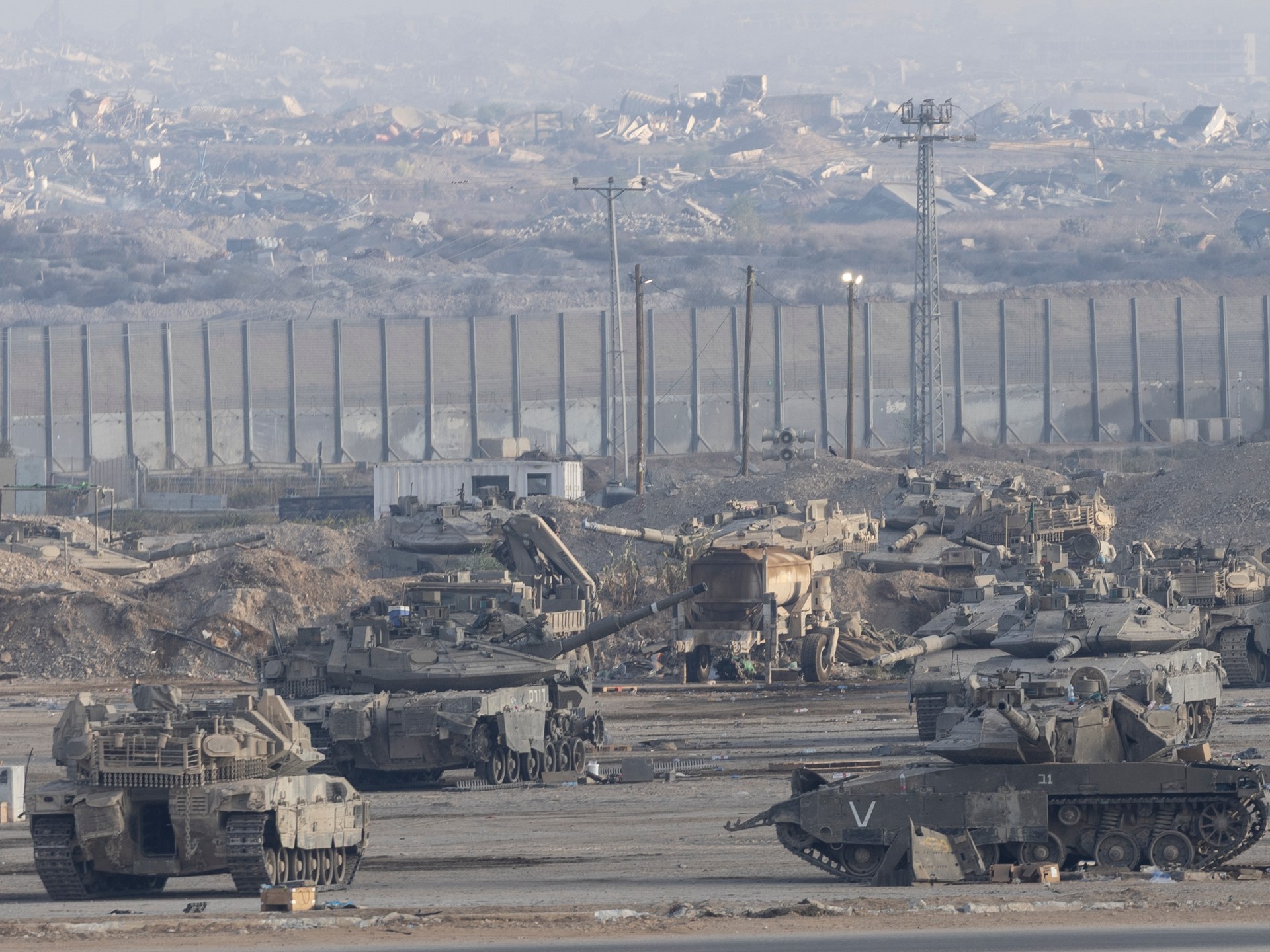
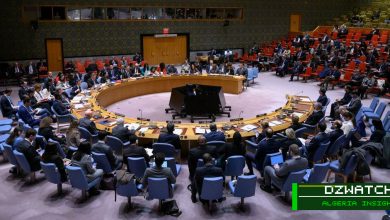
Tel Aviv is reportedly voicing strong objections to the establishment of an international security force in the Gaza Strip mandated by the United Nations Security Council, particularly opposing any participation from Turkish armed forces. This stance comes amid reports that the United States, under President Donald Trump, is pushing for a multinational force to stabilize the region, creating a potential rift between Washington and its ally, Israel.
According to a report by the Israeli Broadcasting Corporation (KAN), Israeli officials are concerned about the composition and mandate of such a force. While the U.S. administration is reportedly eager to expedite the deployment of a multinational security presence in Gaza, Israel is hesitant to endorse a plan that involves Turkish military personnel or that is established through a UN Security Council resolution. This apprehension stems from a perceived parallel to existing UN peacekeeping operations, such as the United Nations Interim Force in Lebanon (UNIFIL) and the United Nations Disengagement Observer Force (UNDOF) operating in the Golan Heights, which Israel views with a degree of skepticism and as potentially limiting its freedom of action.
The Israeli Broadcasting Corporation quoted Channel 2, stating that the United States is pushing for the swift formation of a multinational force in Gaza, a move that is causing disagreement between Washington and Tel Aviv. The report highlights that Israel’s opposition extends beyond just the presence of Turkish armed forces. There are broader concerns surrounding the establishment of the force through the UN Security Council, potentially mirroring the operational frameworks of UNIFIL in Lebanon and UNDOF in Syria. These existing missions, while intended to maintain peace and security, have been criticized by some in Israel for allegedly failing to prevent the activities of hostile actors and for potentially infringing upon Israel’s sovereignty.
Reports suggest that President Trump is adamant about Turkey playing a role in the future of Gaza. Despite Israeli reservations, the U.S. administration is exploring options that would allow Turkey to contribute to the region’s stability, potentially through non-military avenues. Two primary options are reportedly under consideration: deploying unarmed Turkish personnel to Gaza or involving Turkish companies in the reconstruction efforts following periods of conflict. The focus on reconstruction could potentially channel Turkish influence into rebuilding infrastructure and providing humanitarian assistance, rather than through direct military intervention.
The news website Axios reported last Thursday that officials within the Trump administration are in discussions with several countries regarding the formation of an international force for deployment in Gaza. The Axios report indicated that the U.S. administration is expected to present a plan in the coming weeks, currently being formulated by the U.S. Central Command (CENTCOM). This plan is anticipated to include units from the Palestinian police force, signifying a potential collaboration between international forces and local security personnel. The inclusion of Palestinian police aims to ensure that the security force operates in coordination with the Palestinian Authority and respects local laws and customs.
The proposed international force is intended to address the security vacuum that often follows periods of heightened conflict between Israel and Hamas, the militant group that controls Gaza. The force’s mandate could include maintaining law and order, preventing the smuggling of weapons, and providing security for humanitarian aid operations. However, the details of the force’s composition, mandate, and rules of engagement remain subject to ongoing negotiations between the various stakeholders involved.
For more information about Palestine, check our dedicated section.
Israel’s reluctance to accept Turkish involvement in Gaza is rooted in a complex history of strained relations between the two countries. While Turkey was once a key ally of Israel, relations have deteriorated significantly in recent years due to disagreements over issues such as the Israeli-Palestinian conflict and Turkey’s growing relationship with Hamas. Israel views Hamas as a terrorist organization and is wary of any external influence that could strengthen the group’s position in Gaza.
The potential deployment of an international security force to Gaza raises a number of complex questions. These include the legal basis for such a deployment, the consent of the Palestinian Authority, and the potential for clashes between the international force and local residents or militant groups. The success of any such force would depend on the cooperation of all parties involved, including Israel, the Palestinian Authority, Hamas, and the international community.
For Algeria, the situation in Gaza remains a key foreign policy concern. Algeria has historically been a strong supporter of the Palestinian cause and has consistently called for a just and lasting resolution to the Israeli-Palestinian conflict. The potential deployment of an international security force to Gaza could have significant implications for the region’s stability, and Algeria is likely to closely monitor the situation and advocate for a solution that respects the rights and aspirations of the Palestinian people. The Algerian government has consistently emphasized the need for a two-state solution based on the 1967 borders, with East Jerusalem as the capital of a Palestinian state. The long-standing official position is that only a negotiated settlement can bring sustainable peace to the region.
Furthermore, Algeria has often provided humanitarian assistance to Gaza, particularly during and after periods of conflict. The country has also been vocal in international forums, condemning Israeli policies that it views as detrimental to the Palestinian people. Therefore, the composition and mandate of any international force in Gaza will likely be scrutinized by Algerian officials, who will be looking for assurances that the force will operate impartially and in accordance with international law.
The disagreements between Israel and the United States over the proposed international force highlight the complexities of the situation in Gaza and the challenges of finding a solution that is acceptable to all parties. While the U.S. administration appears determined to move forward with its plan, Israel’s reservations could potentially derail the effort or significantly alter its composition and mandate. The coming weeks will be crucial in determining the future of the international force and its potential impact on the stability of Gaza and the wider region.