Belgian Military Base Housing US Nuclear Weapons Targeted by Drone Flights, Raising Security Concerns
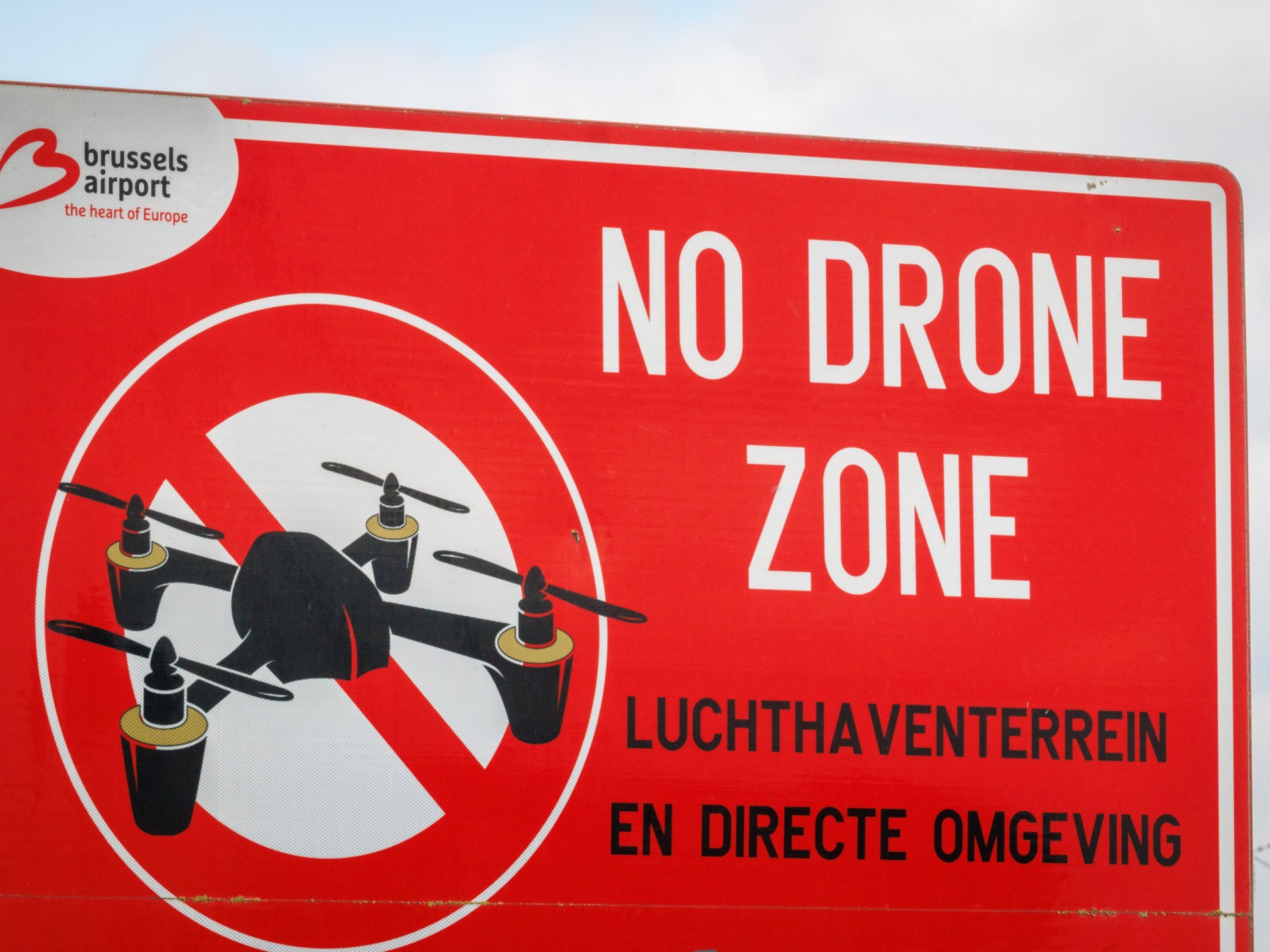
Brussels – A series of unsettling drone sightings over the Kleine Brogel Air Base in northeastern Belgium, a site known to house American nuclear weapons, has triggered a high-alert security investigation. Belgian Defense Minister Theo Francken confirmed that multiple drones were detected flying over the sensitive military installation on Saturday, prompting a swift response from law enforcement.
According to Minister Francken, police deployed a helicopter in an attempt to track the drones as they headed towards Dutch airspace. However, the operators of the unmanned aerial vehicles (UAVs) were not apprehended, and their identities remain unknown. This incident follows a similar occurrence the previous night, further escalating concerns about the security vulnerabilities surrounding the base.
The Kleine Brogel Air Base is not only believed to be a storage site for US nuclear warheads but also a crucial operational hub for the advanced F-35 fighter jets. This combination makes it a highly strategic and sensitive location, demanding the utmost security measures. The recent drone incursions raise serious questions about the effectiveness of current protective protocols and the potential for malicious actors to exploit weaknesses.
These incidents are not isolated. Over the past month, similar drone sightings have been reported at other military training grounds and bases across Belgium, indicating a potential pattern of reconnaissance or probing activities. Belgian authorities have launched a comprehensive investigation into these incidents, but have yet to identify the individuals or groups responsible.
The recurring nature of these drone flights has heightened anxieties, particularly in light of a foiled terrorist plot uncovered last October. Belgian authorities announced the disruption of a planned attack targeting prominent political figures, including Prime Minister Bart De Wever. The alleged plot involved the use of weaponized drones to carry out assassinations.
Federal prosecutors revealed that three suspects were arrested in Antwerp as part of an investigation into “attempted terrorist murder” and “participation in the activities of a terrorist group.” Evidence suggested that the suspects intended to employ drones capable of carrying explosives, underscoring the potential for UAVs to be used for nefarious purposes. Prosecutor Anne Fransen emphasized the seriousness of the threat and the ongoing efforts to prevent future attacks.
The broader context of these events is a growing trend of drone-related incidents across Belgium and Europe. The ease of access to drone technology, coupled with its increasing sophistication, presents a significant challenge for security agencies. The recent sighting of a suspicious drone near a Belgian military base close to the German border was described as particularly alarming, highlighting the vulnerability of military installations to aerial surveillance and potential attacks.
The Belgian government is facing mounting pressure to enhance its counter-drone capabilities and implement stricter regulations on drone operations. Critics argue that the current legal framework is inadequate to address the evolving threats posed by UAVs, particularly in sensitive areas like military bases and critical infrastructure.
For more information about News, check our dedicated section.
The investigation into the Kleine Brogel drone sightings is ongoing, with authorities exploring various possibilities, including espionage, sabotage, and terrorist reconnaissance. Law enforcement agencies are collaborating with intelligence services to gather information and identify potential suspects. The focus is on determining the motivations behind the drone flights and assessing the potential risks they pose to national security.
Experts in security and counter-terrorism have warned about the increasing use of drones by both state and non-state actors for intelligence gathering, surveillance, and even direct attacks. The relatively low cost and accessibility of drones make them an attractive tool for those seeking to undermine security and disrupt operations.
“The proliferation of drone technology is a game-changer for security agencies,” stated Dr. Isabelle Duyvesteyn, a terrorism expert at Leiden University in the Netherlands. “We are seeing a shift from traditional methods of surveillance and attack to the use of unmanned aerial vehicles, which are difficult to detect and counter. Governments need to invest in advanced drone detection and interception technologies to stay ahead of the curve.”
The Belgian government is reportedly considering several measures to strengthen its counter-drone defenses, including the deployment of drone detection systems around critical infrastructure, the implementation of stricter drone registration requirements, and the development of legal frameworks to allow for the interception and neutralization of rogue drones. The debate also includes the use of electronic countermeasures, such as jamming devices, to disrupt drone signals and prevent them from entering restricted airspace. However, the use of such technologies raises concerns about potential interference with legitimate drone operations and civilian communication networks.
The incidents at Kleine Brogel Air Base have prompted a broader discussion about the role of US nuclear weapons in Europe and the security risks associated with their storage and deployment. Critics argue that the presence of these weapons makes Belgium a potential target for terrorist attacks and increases the likelihood of a nuclear incident. Proponents, however, maintain that the nuclear deterrent is essential for maintaining peace and stability in Europe. The debate over the future of nuclear weapons in Belgium is likely to intensify in the wake of these security breaches.
The latest drone sightings underscore the urgent need for a comprehensive and coordinated approach to address the growing threat posed by unmanned aerial vehicles. This includes not only investing in advanced technology but also strengthening international cooperation, enhancing intelligence sharing, and implementing robust legal frameworks to regulate drone operations and prevent their misuse. The security of military installations, critical infrastructure, and civilian populations depends on the ability to effectively counter the evolving challenges posed by drone technology.