Gaza Under Fire: Home Demolitions and Aid Blockade Deepen Humanitarian Crisis Amidst Fragile Truce
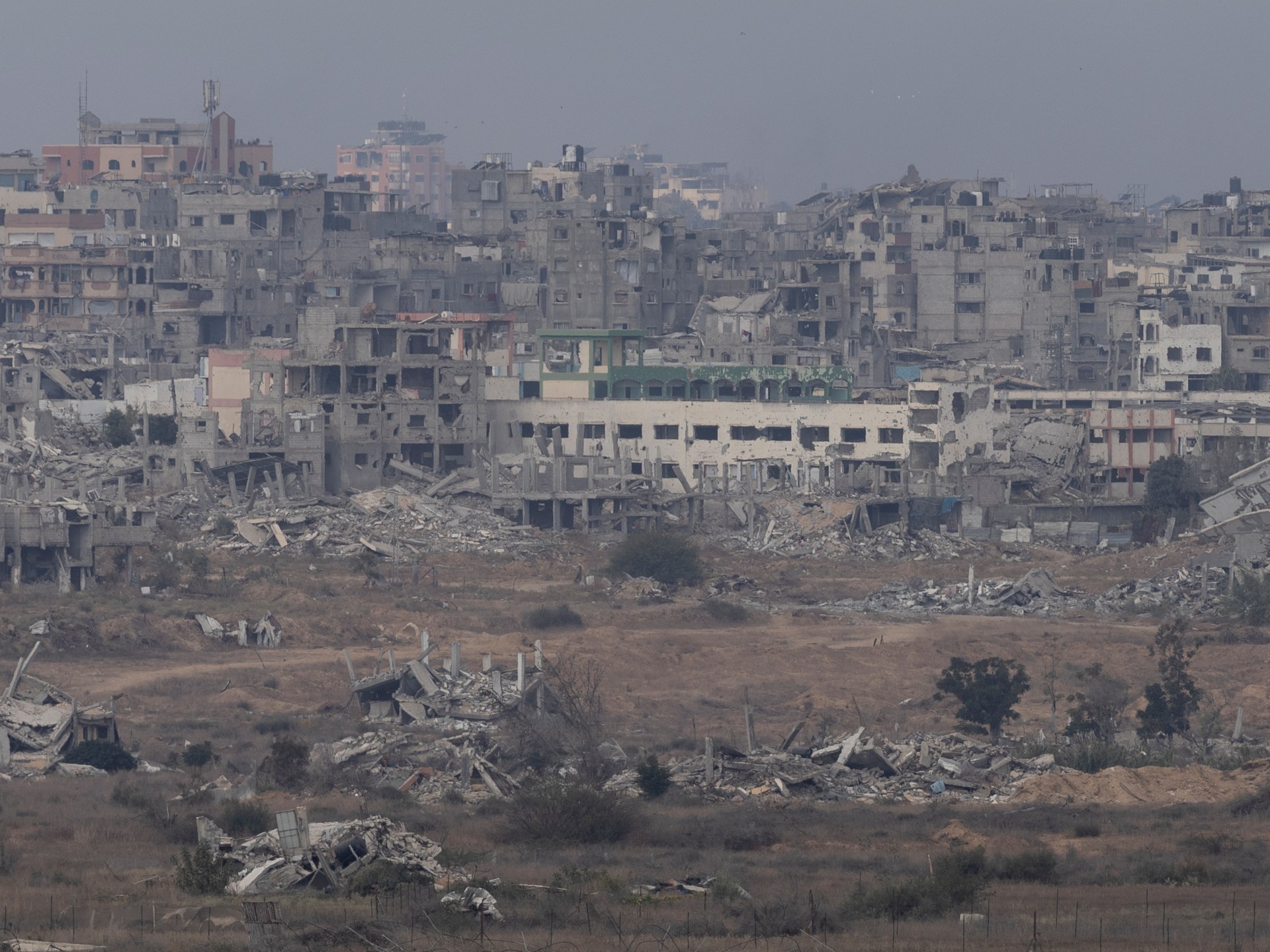
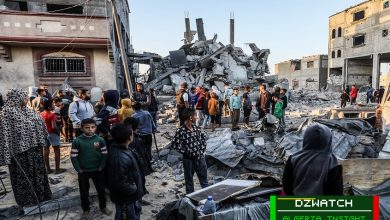
Khan Younis, Rafah, and Deir al-Balah in the Gaza Strip endured a renewed wave of Israeli military operations on Sunday, marked by home demolitions, airstrikes, and artillery shelling. These actions, unfolding against a backdrop of already dire humanitarian conditions, have sparked widespread concern over a rapidly escalating crisis for the region’s civilian population. The timing is especially critical as winter approaches, further compounding the suffering of hundreds of thousands of displaced Palestinians.
Reports from the ground indicate that Israeli forces conducted extensive demolitions in eastern Khan Younis, accompanied by intense artillery fire. Simultaneously, the cities of Rafah, in the south, and Deir al-Balah, in the central Gaza Strip, were targeted by airstrikes and artillery shelling, respectively. The rationale behind these operations remains unclear, but their impact on the already vulnerable infrastructure and civilian population is undeniable.
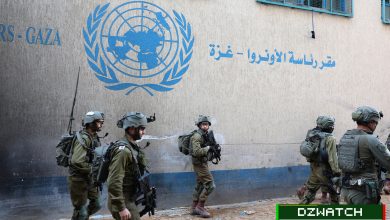
The United Nations Relief and Works Agency for Palestine Refugees in the Near East (UNRWA) has issued a stark warning regarding the humanitarian situation. The agency reports that essential winter shelter supplies, sufficient to meet the needs of one million people, are currently stockpiled in warehouses but are being prevented from entering Gaza due to Israeli restrictions. This blockade of vital aid is exacerbating the already precarious living conditions for displaced families, many of whom are living in makeshift camps with limited access to basic necessities.
Adding to the concerns, Alaeddin al-Batta, the mayor of Khan Younis and deputy head of the Union of Municipalities in the Gaza Strip, told DZWatch that approximately 900,000 displaced people are currently residing in camps that are severely lacking in essential resources. He emphasized the urgent need for tents, cement, and spare parts for heavy machinery to address the immediate needs of the displaced population. “There has been no tangible movement to alleviate the daily suffering of the displaced,” al-Batta stated, highlighting the critical gap between the needs on the ground and the aid being provided.
Despite a ceasefire agreement brokered last month, the entry of humanitarian aid into Gaza remains far below the required levels. According to the Government Media Office in Gaza, approximately 3,200 truckloads of supplies entered the Strip between October 10th and October 31st. This translates to an average of 145 trucks per day, a figure significantly lower than the 600 trucks that were supposed to enter daily under the terms of the agreement. The total number included 293 trucks carrying food, 220 trucks carrying various goods, 6 trucks carrying fuel, and 4 trucks destined for the health sector, in addition to spare parts, household items, and various equipment.
For more information about Palestine, check our dedicated section.
The situation within Gaza’s healthcare system is particularly alarming. Dr. Munir al-Bursh, the Director-General of the Palestinian Ministry of Health in Gaza, reported to DZWatch that the Israeli authorities are preventing the entry of essential medicines and medical supplies, and are actively hindering international organizations from providing assistance and accessing the Gaza Strip. This blockade of medical aid is severely compromising the ability of healthcare providers to treat the wounded and sick, further exacerbating the humanitarian crisis.
The ceasefire agreement, which came into effect on October 10th, was based on a plan reportedly proposed by former US President Donald Trump. The plan stipulated an end to hostilities, a gradual withdrawal of Israeli forces, a mutual exchange of prisoners, and the immediate entry of aid into the Gaza Strip. However, despite the agreement, violations have been reported, resulting in further casualties and undermining the fragile peace.
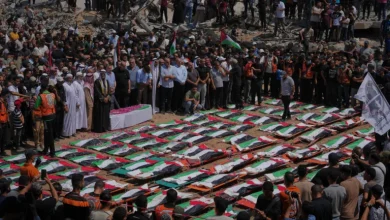
The previous two years of conflict in Gaza have had a devastating impact on the region’s population. According to reports, approximately 68,858 Palestinians have been killed, and 170,664 have been injured, the majority of whom were children and women. The ongoing demolition of homes and the blockade of essential aid are further compounding the suffering of a population already reeling from years of conflict and hardship.
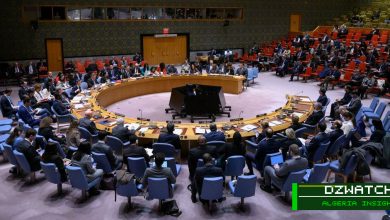
The international community has expressed growing concern over the deteriorating humanitarian situation in Gaza and has called for an immediate end to the violence and the lifting of restrictions on the entry of aid. Humanitarian organizations are urging all parties to respect international law and to ensure the protection of civilians. DZWatch will continue to monitor the situation closely and provide updates as they become available. The need for a lasting and just solution to the conflict remains paramount to prevent further loss of life and suffering in the Gaza Strip. The current situation underscores the urgent need for a comprehensive approach that addresses the root causes of the conflict and ensures the long-term stability and prosperity of the region.