Rahabi Warns of “Transactional Diplomacy” Threat to National Security
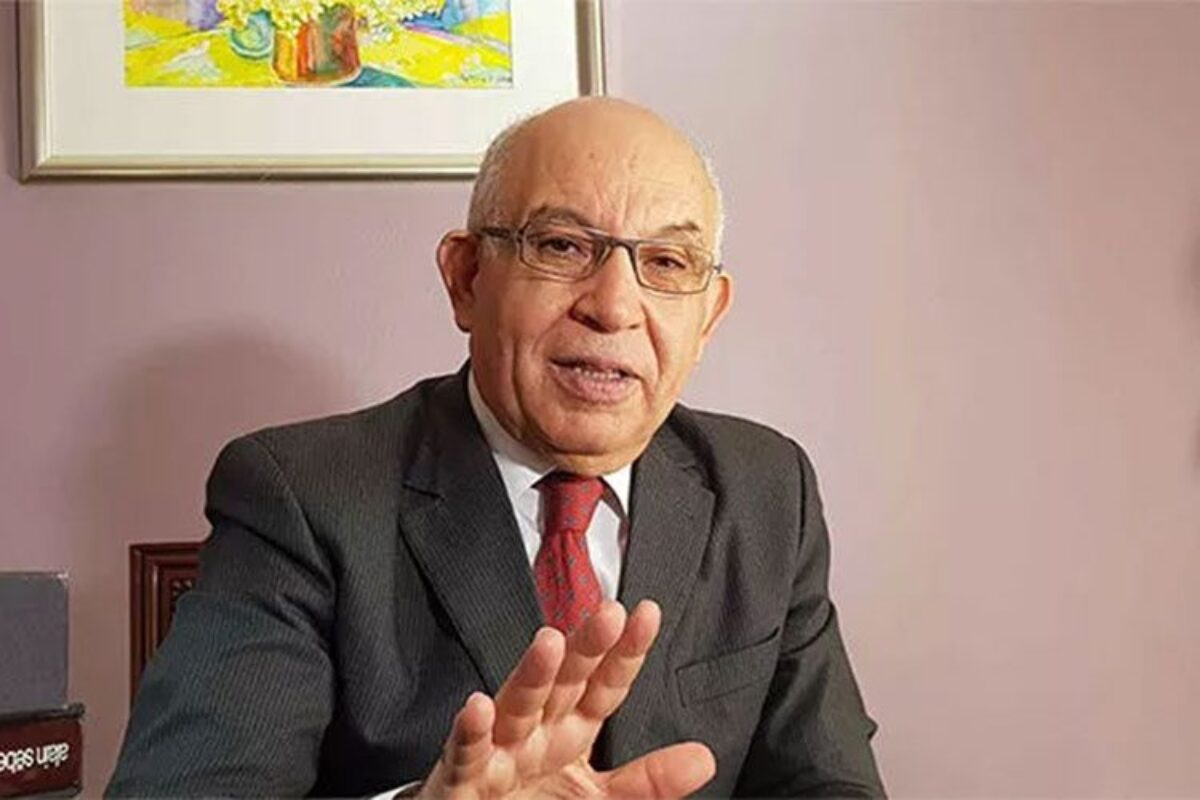
Algerian diplomat Abdelaziz Rahabi has issued a stark warning regarding the perils of what he terms “transactional diplomacy,” particularly in the context of the Western Sahara issue. Rahabi argues that the ultimate aim of Western powers, especially the United States, is to unilaterally dictate the resolution of the conflict.
The former minister emphasized that this “transactional diplomacy,” a cornerstone of the previous US administration’s foreign policy, clashes fundamentally with Algeria’s principles and national security interests. “We have never sought foreign guarantees tied to fluctuating and restrictive pragmatism,” Rahabi stated.
Rahabi highlighted that Algeria, along with Russia and China, has reaffirmed the Sahrawi people’s right to self-determination, a principle strongly opposed by the US and France. “This universally recognized principle relegates the Moroccan autonomy plan to its true status as a document devoid of value and substance,” he asserted, noting its creation nearly two decades ago aimed at legitimizing the occupation of Western Sahara.
He further explained that while Russia and China were unable to fully balance the US’s influence within the Security Council, they insisted on reiterating Western Sahara’s status as a non-self-governing territory. They also condemned the unilateral action taken by the United States, which sought to impose its will independently of the Security Council.
Rahabi elaborated that this American approach seeks to ensure its dominance over the entire negotiation process, potentially to the detriment of the Sahrawi people and in favor of concessions to the Moroccan agenda. He criticized the US for its apparent disregard for the principle of impartiality between the parties involved in direct negotiations.
The diplomat firmly stated that “independence under Moroccan sovereignty is not merely a linguistic innovation in international law, but rather a new form of colonial reaction.”
Rahabi concluded by expressing concern that the Security Council’s authority is at risk of succumbing to the overbearing influence of the United States, citing historical examples such as the vote against Iraq and France’s vote regarding Libya. He stressed the importance of safeguarding the integrity and independence of international institutions to prevent such scenarios from recurring.