Israeli Soldier’s Body Recovered from Gaza, Identified as Hostage Killed in October 7th Attack
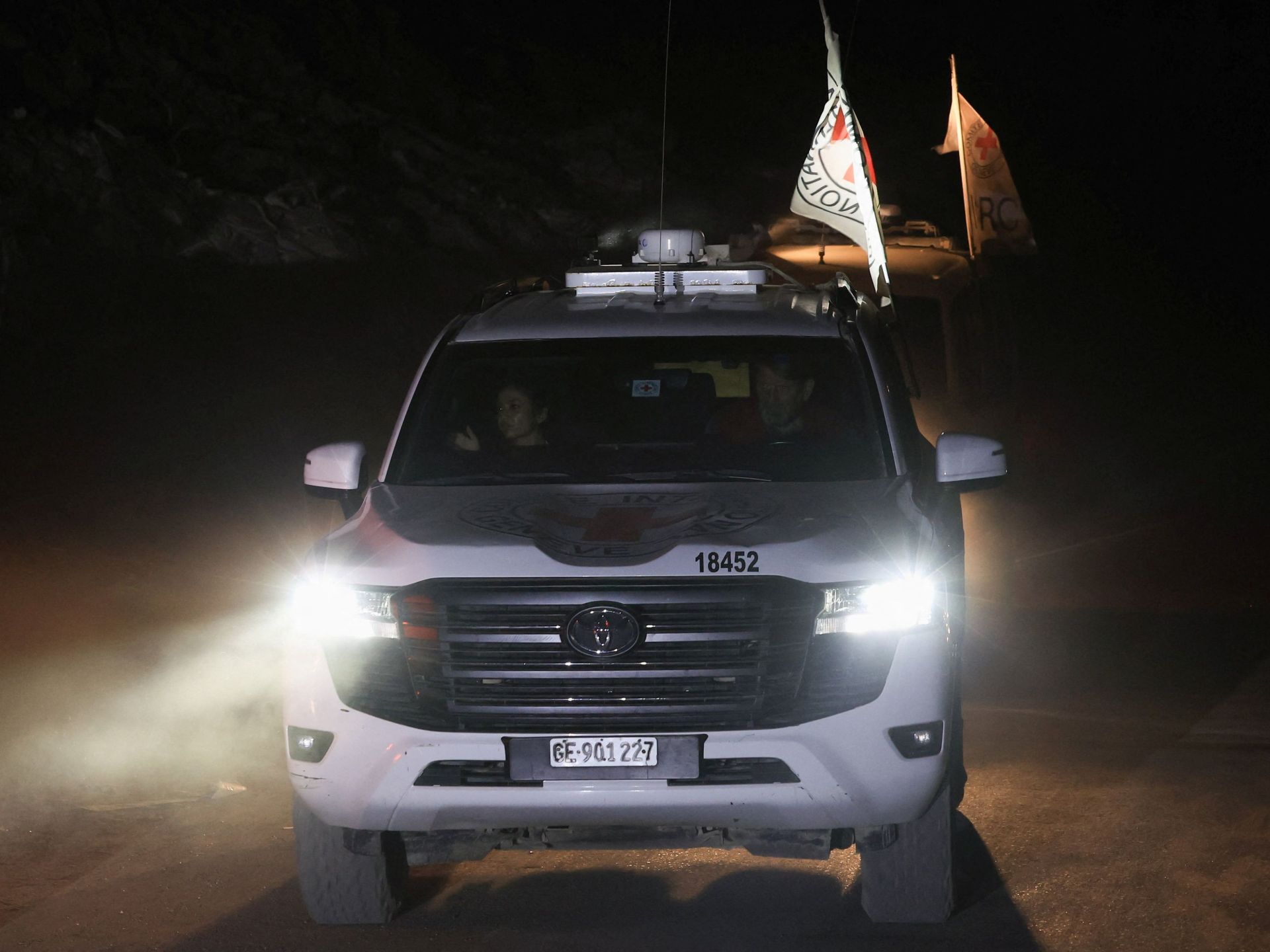
DZWatch Exclusive: After forensic examination, the Israeli Prime Minister’s office has confirmed the identity of a body recently recovered from Gaza as that of Lior Rudaev, an Israeli reservist taken hostage after being killed during the October 7, 2023 attacks. The announcement, made late yesterday, comes after the International Committee of the Red Cross (ICRC) facilitated the transfer of the remains. Rudaev’s family has been notified, according to a statement released by the Prime Minister’s office.
The Israeli military spokesperson confirmed that Rudaev was killed in Kibbutz Be’eri during the initial Hamas-led assault. His body was reportedly discovered in the Khan Yunis area of southern Gaza. This recovery is part of ongoing efforts to locate and repatriate the remains of Israelis killed during the October 7th attacks and subsequent conflict.
Al Jazeera’s correspondent reported that Hamas’s military wing, the Al-Qassam Brigades, and the Al-Quds Brigades had turned over the body of an Israeli hostage to the ICRC. The recovery was said to have occurred in Khan Yunis, further emphasizing the challenges involved in locating and identifying bodies within the war-torn territory. This handover follows a previous instance on Wednesday when the Al-Qassam Brigades reportedly delivered the body of another Israeli hostage, found in the Shuja’iyya neighborhood of eastern Gaza, to the Red Cross. These actions are viewed as incremental steps within broader understandings negotiated between Hamas and mediators.
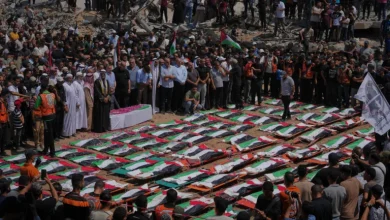
In a reciprocal measure, Israeli forces have reportedly released the remains of 15 Palestinian martyrs as part of the exchange with Palestinian factions. The ICRC transported these remains from the Kissufim crossing to the Nasser Medical Complex in Khan Yunis. This exchange marked the eleventh such transfer of deceased individuals between the two sides. According to sources at Nasser Hospital, they have received the remains of approximately 300 Palestinians whose bodies were previously held by Israeli forces. The Gaza-based Committee for Managing Remains stated that 144 bodies have been buried in a mass grave in Deir al-Balah due to the inability to identify them.
Since the ceasefire agreement came into effect on October 10th, 2025, Hamas has released 20 living hostages and handed over the remains of 22 out of an estimated 28 deceased hostages. Israeli estimates suggest that approximately six bodies remain within the Gaza Strip.
Israel has reportedly conditioned further progress in negotiations on the full repatriation of all remaining bodies. However, Hamas maintains that this process is complex and time-consuming, given the widespread destruction in Gaza, which hinders access to burial sites. The group has called on mediators to provide equipment and technical expertise to aid in the recovery of bodies from beneath the rubble.
For more information about Palestine, check our dedicated section.
The latest handover of Rudaev’s remains marks the 22nd since the October 10th ceasefire. Mediators continue to work towards solidifying the truce and advancing negotiations to implement the remaining provisions of the agreement. The challenges remain significant, with both sides facing logistical and political hurdles.
For Israel, the return of the bodies represents closure for grieving families and fulfills a national imperative to recover and honor the fallen. Public pressure on the government to secure the return of all hostages, living and deceased, has been intense. The identification of Rudaev will likely bring some solace to his family, but also serve as a stark reminder of the ongoing human cost of the conflict.
Conversely, for Hamas, the handover of bodies can be seen as a gesture of goodwill and a demonstration of its willingness to engage in negotiations. However, the group also faces pressure from within Gaza to prioritize the release of Palestinian prisoners held in Israeli jails. The exchange of bodies for prisoners remains a highly sensitive and contentious issue.
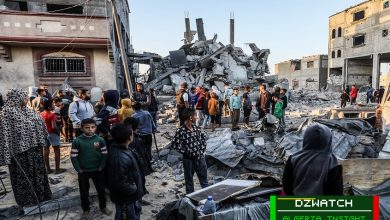
The recovery efforts are further complicated by the extensive damage to infrastructure in Gaza. Bombardments have destroyed buildings and roads, making it difficult to access potential burial sites. The lack of specialized equipment and trained personnel also poses a significant challenge. The ongoing blockade of Gaza further restricts the flow of humanitarian aid and resources needed for the recovery effort.
The identification of Lior Rudaev underscores the need for a comprehensive and sustained effort to locate and identify all missing persons from both sides of the conflict. This requires close cooperation between Israeli and Palestinian authorities, as well as international organizations like the ICRC. The process must be conducted with respect for the dignity of the deceased and sensitivity to the needs of grieving families. The DZWatch team will continue to closely monitor the situation and provide updates as they become available. The search for the remaining bodies continues, a somber testament to the enduring legacy of the conflict.