Israeli Ministers Spar Over Gaza Strategy, US Envoys Dismissed as ‘Naive’
Tensions flared within the Israeli government as key ministers voiced conflicting opinions regarding the future of Gaza. National Security Minister Itamar Ben-Gvir has reportedly described US envoys Steve Witkoff and Jared Kushner as “naive,” while Finance Minister Bezalel Smotrich advocated for military rule in the Gaza Strip.
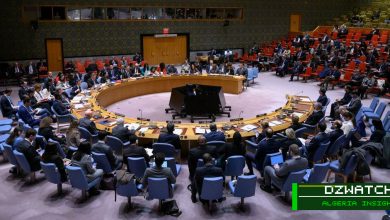
The remarks, according to reports, were made during a meeting of the Security Cabinet on Sunday evening. Ben-Gvir, leader of the Otzma Yehudit party, reportedly stated that Hamas has not been fully dismantled and that further action is required to disarm the group.
Ben-Gvir also criticized the idea of reopening the Rafah crossing between Gaza and Egypt, labeling it a “grave mistake” and a “very bad message.” Prime Minister Benjamin Netanyahu has linked the reopening of the crossing to the recovery of the body of an Israeli soldier believed to be held in Gaza.
The Rafah crossing has been a point of contention since Israeli forces took control of the Palestinian side of the border crossing in May 2024, during a large-scale military operation in Gaza.
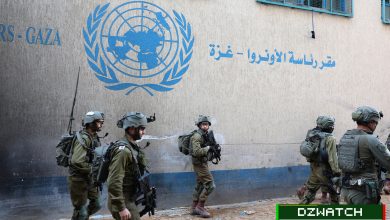
Meanwhile, Finance Minister Smotrich, who leads the Religious Zionist party, reportedly argued that failure to maintain military control over Gaza would pave the way for the establishment of a Palestinian state. His comments highlight a deep division within the Israeli government regarding the long-term political and security arrangements for the region.
The Security Cabinet meeting was convened to discuss the implementation of the next phase of a US-backed plan for Gaza and the potential reopening of the Palestinian side of the Rafah crossing. This follows a meeting between Netanyahu, Kushner, and Witkoff on Saturday, where the same plan was discussed. Several Israeli ministers reportedly oppose the plan.
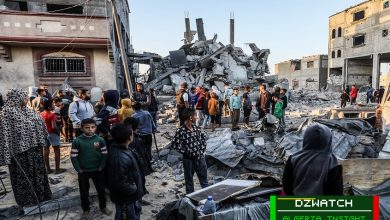
These diverging opinions underscore the challenges facing the Israeli government as it grapples with the complex issues surrounding Gaza in the aftermath of recent conflicts. The contrasting views on the role of international actors and the future of the territory raise questions about the path forward.