Algeria Pardons Writer Boualem Sansal, Approves Transfer to Germany
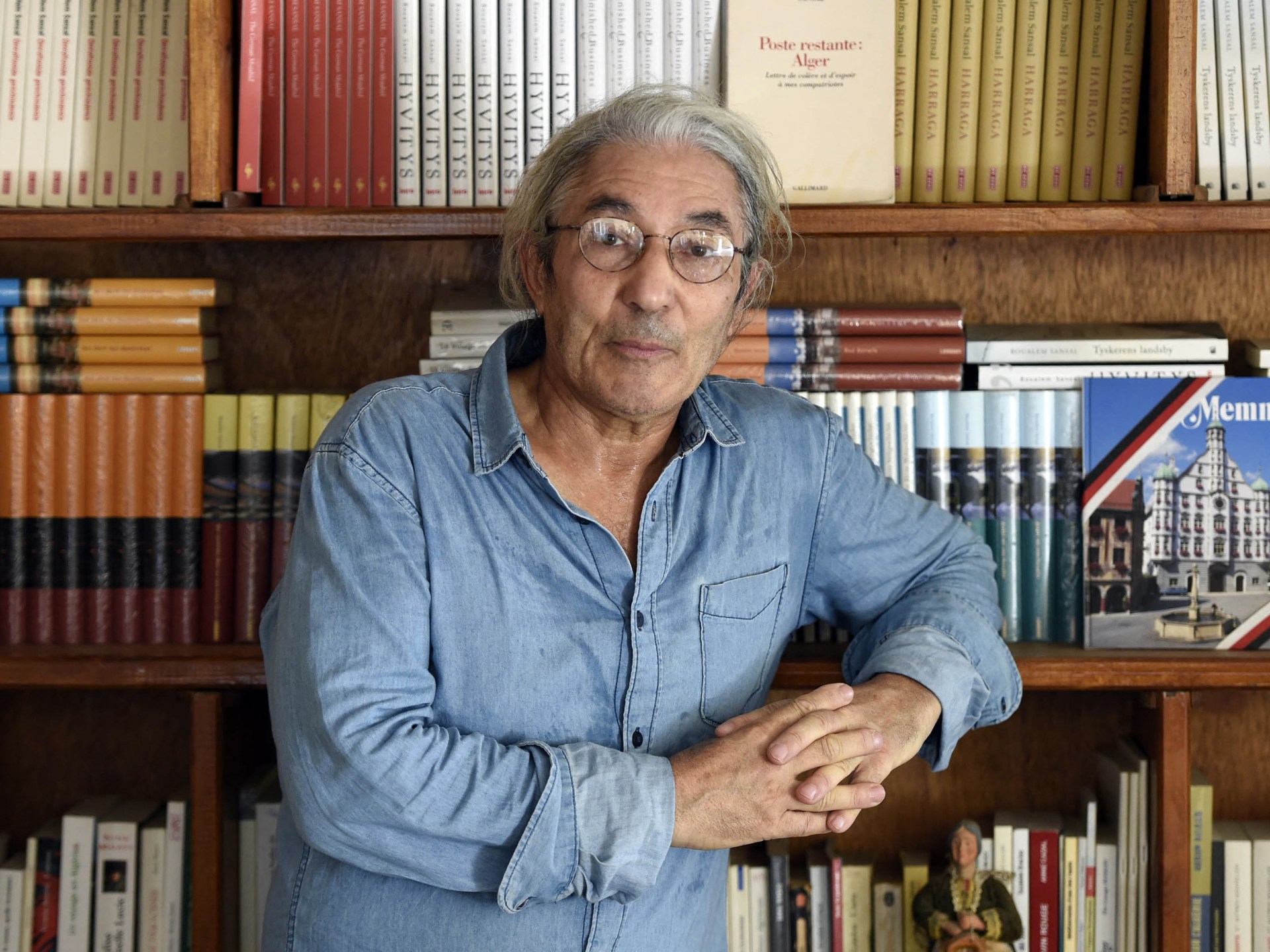
Algeria has granted a pardon to French-Algerian writer Boualem Sansal and approved his transfer to Germany for medical treatment, the Algerian Presidency announced Wednesday. Sansal had been imprisoned for a year on charges he denied, in a case that strained diplomatic relations with France.
According to a statement released by the Presidency, President Abdelaziz Tebboune received a formal request on November 10, 2025, from his German counterpart, Frank-Walter Steinmeier, appealing for Sansal’s pardon on humanitarian grounds. President Tebboune, acknowledging the humanitarian considerations, decided to grant the pardon in accordance with constitutional procedures and legal requirements.
Germany will be responsible for transferring Sansal, 76, who has been imprisoned for the past year, out of Algeria and providing him with medical care. Last Monday, the Algerian Presidency stated that “due to Boualem Sansal’s advanced age and deteriorating health, the German President proposed allowing him to travel to Germany for treatment.”
Steinmeier stated, “I asked my Algerian counterpart to pardon Boualem Sansal. This gesture would be an expression of humanitarian spirit and insightful political vision.”
Algerian authorities arrested Sansal on November 16, 2024, at the capital’s airport upon his arrival from France, further exacerbating relations between the two countries. Relations between Algeria and France have been tense for over a year, particularly due to France’s support for Morocco’s autonomy proposal in the Sahara region, which is contested by the Polisario Front, supported by Algeria.
Sansal faced charges including “undermining national unity and insulting a statutory body,” in addition to a fine of 500,000 dinars (approximately $3,600). He was also prosecuted on other charges related to “defamation and insult” against the Algerian army, “deliberately promoting false news likely to harm public order and public security,” and “possessing and displaying publications, papers, and videos to the public, likely to harm national unity.”