Trump, Mamdani Clash on Key Issues After White House Meeting
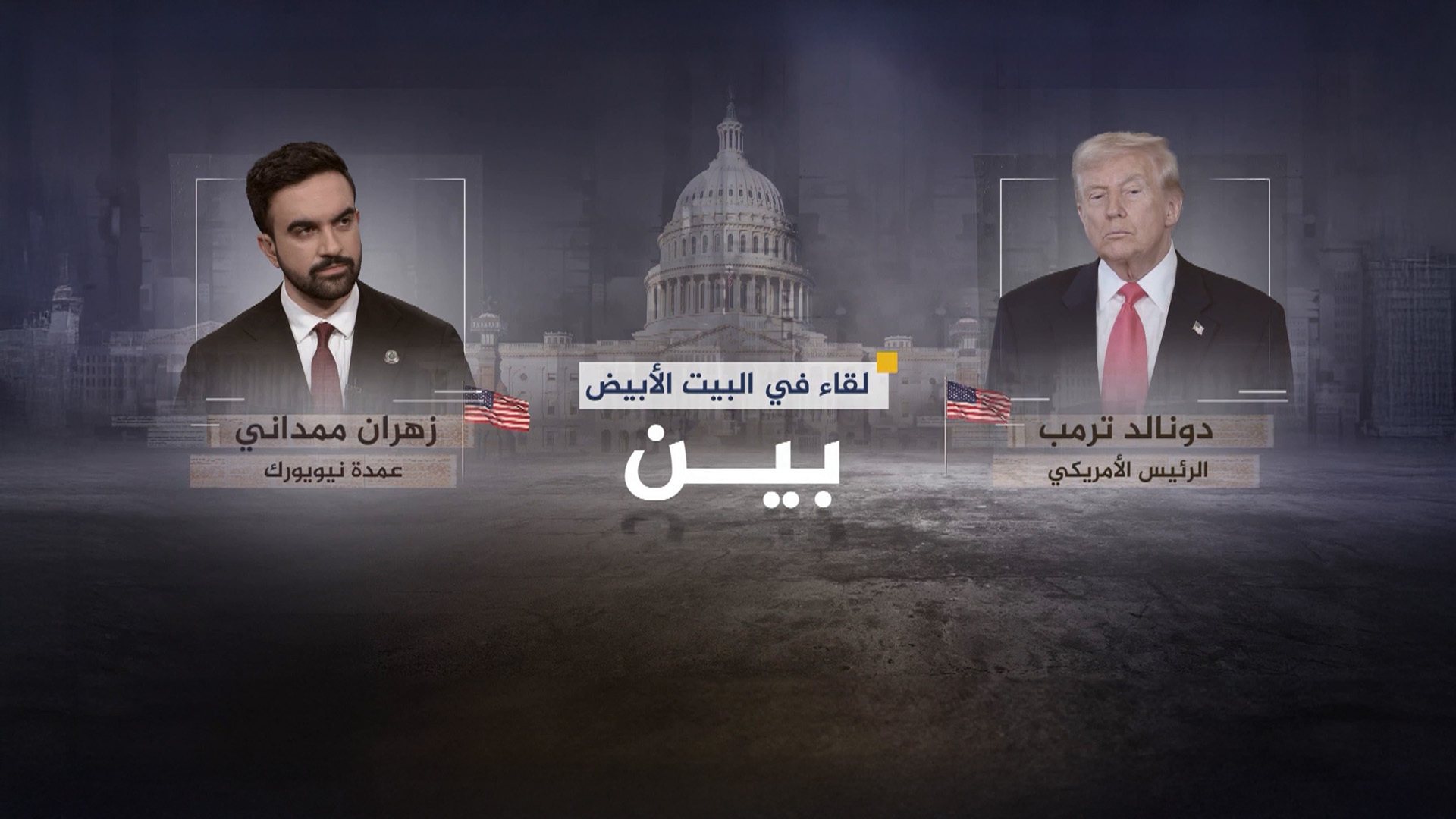
Despite a seemingly cordial meeting at the White House, significant policy disagreements remain between President Donald Trump and newly elected New York City Mayor Zahran Mamdani. Their contrasting views, evident in past statements, span a wide range of critical issues, from economic policy and immigration to national security and the Israeli-Palestinian conflict.
The meeting followed years of public sparring. Trump has previously labeled Mamdani a “radical socialist,” while Mamdani has accused Trump of racism and employing intimidation tactics. While both leaders have acknowledged the need to address the rising cost of living in New York City, major policy differences persist.
Trump advocates for a conservative economic approach, emphasizing tax cuts, reduced government intervention in the market, privatization, and deregulation. He believes the free market is best equipped to meet the needs of the people. Mamdani, on the other hand, champions a progressive agenda, calling for higher taxes on the wealthy, increased government funding for social services, and free public transportation, drawing inspiration from Scandinavian welfare models in housing, education, and healthcare.
The divergence is particularly stark on immigration. Trump continues to advocate for stricter border controls, reduced asylum opportunities, increased deportations, and linking immigration to rising crime rates. Mamdani, the son of immigrants, views immigration as “the lifeblood of America” and supports streamlined asylum processes, an end to detention, and the preservation of the DACA program.
Disagreements also exist regarding security and policing. Trump supports increased funding and broader authority for law enforcement, adopting a direct deterrent approach. Mamdani calls for police reform, diverting some funding to social and educational programs, and has criticized police brutality against minority communities.
Perhaps the widest gap lies in their stances on the Israeli-Palestinian conflict. Trump prides himself on being “Israel’s best friend” and has stated that any Jewish person who votes for Mamdani is “stupid.” Mamdani is a leading voice in the United States advocating for Palestinian rights, describing events in Gaza as a genocide and holding Washington accountable for funding it. These differing perspectives highlight the deep divisions between the two leaders. These differences are expected to shape future political discourse.