Gaza: Obstacles Impeding Recovery of Thousands of Bodies
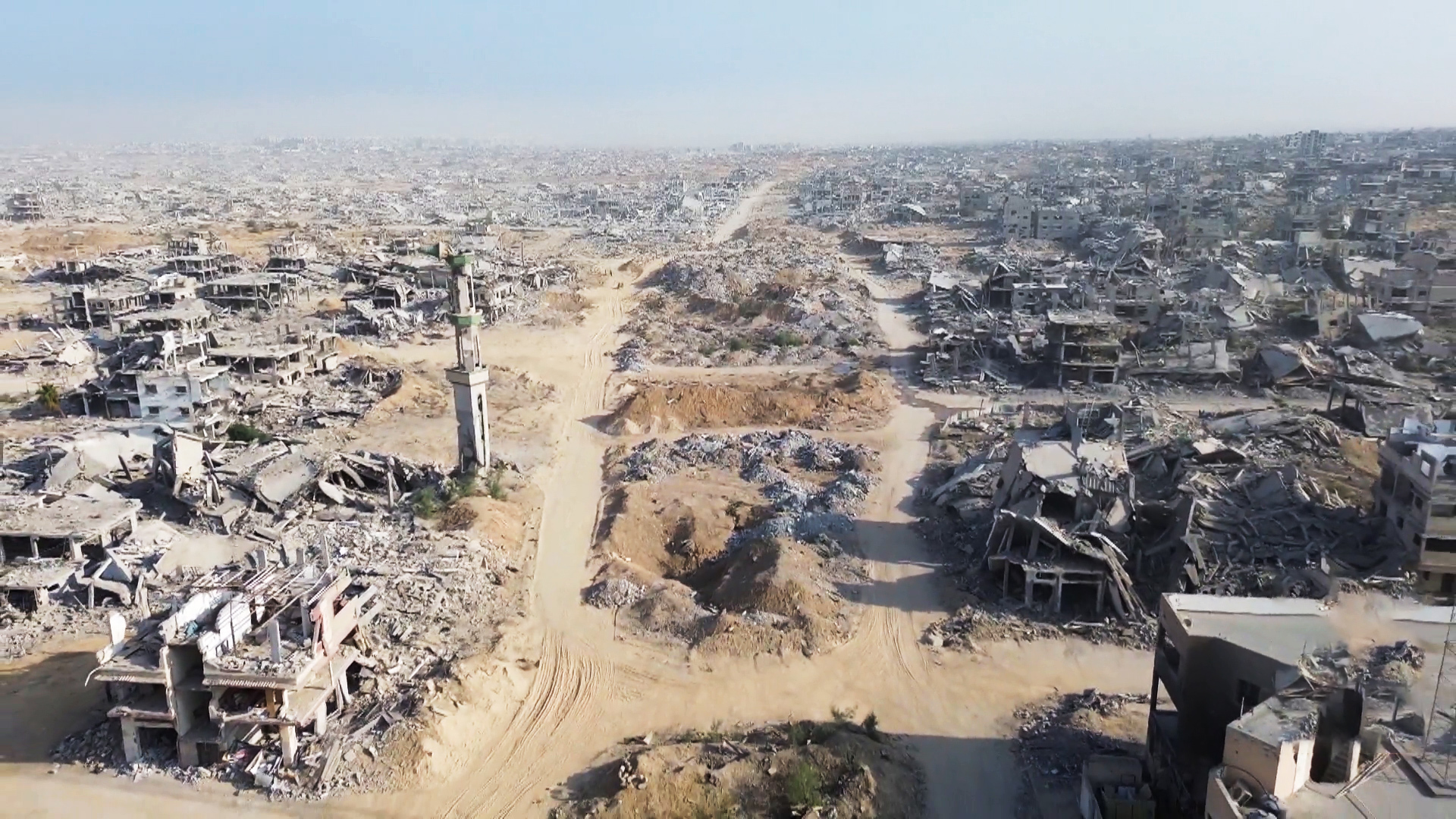
Thousands of bodies remain buried beneath the rubble in the Gaza Strip, as local recovery teams face insurmountable challenges in accessing targeted sites. The lack of heavy machinery, deliberately withheld by Israeli authorities, severely hampers efforts to retrieve the deceased.
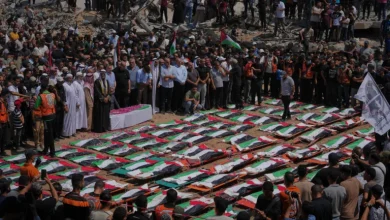
Reports indicate that approximately 10,000 bodies are trapped under the debris of buildings and infrastructure destroyed during the recent conflict. Entire families lie buried, their names, histories, and memories entombed alongside them. Surviving relatives are denied the basic right to properly bury their loved ones.
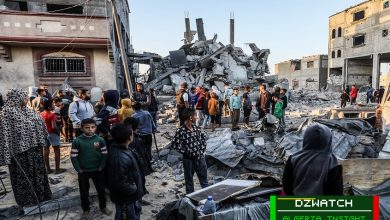
The Gaza Ministry of Health estimates that over 10,000 individuals remain under the rubble, either deceased or missing. The intensity of Israeli military operations and systematic destruction has crippled the logistical capacity of local rescue teams to operate effectively in targeted areas. The munitions used have reduced buildings to unstable piles of debris, making recovery efforts extremely difficult without specialized heavy equipment.
The Government Media Office in Gaza estimates that over 60 million tons of rubble litter the Strip. It is believed that the majority of victims are buried in the areas that experienced the most intense destruction.
Unexploded ordnance (UXO) adds another layer of complexity and danger to the recovery process. UN data suggests that approximately 7,000 tons of UXO contaminate the region, posing a direct threat to search and rescue teams and further endangering the remains of the deceased.
Israel’s obstruction of essential machinery needed to recover Palestinian remains renders rudimentary search methods ineffective. Even if remains are found, identifying them through DNA testing is impossible, as this technology is unavailable in Gaza’s forensic laboratories and its import is blocked by Israel. The international community has condemned the obstruction of humanitarian efforts in Gaza.
The situation highlights the dire humanitarian crisis unfolding in Gaza, compounded by restrictions on essential resources and equipment needed for basic recovery efforts.