Algerian Cabinet Boosts Minimum Wage, Unemployment Benefits
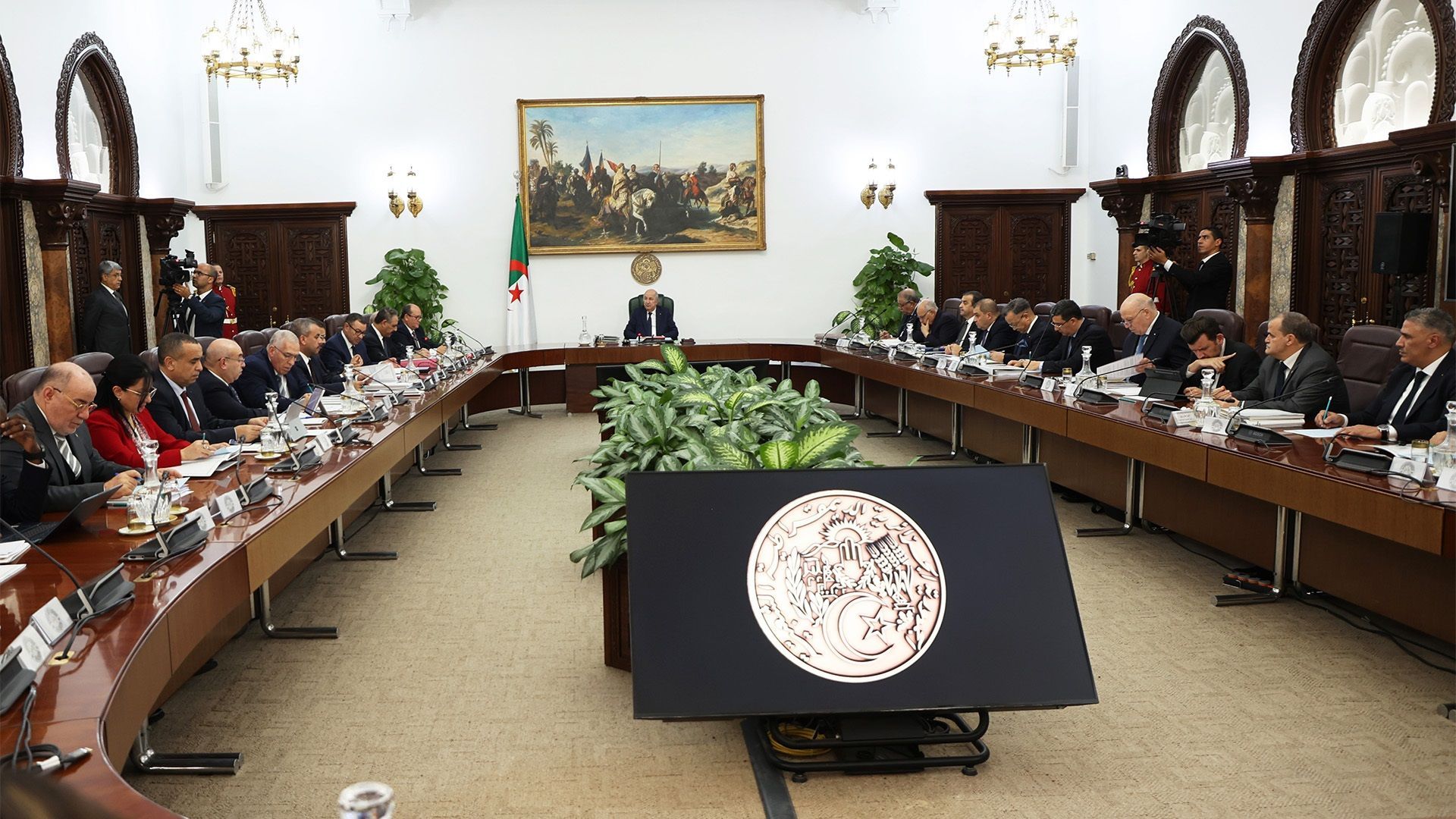
Algiers – The Algerian Council of Ministers, chaired by President Abdelmadjid Tebboune, convened to discuss key economic and social reforms, focusing on the hydrocarbons and mining sectors, finance, knowledge economy, and support for startups and micro-enterprises.
Following a review of the agenda and previous cabinet decisions, Prime Minister presented a summary of government activities over the past two weeks. President Tebboune then issued directives concerning several crucial areas.
Minimum Wage and Unemployment Benefits: The Council of Ministers approved a significant increase to the guaranteed minimum wage, raising it from 20,000 to 24,000 Algerian dinars, effective January 2020. This substantial increase marks a historic step in the ongoing effort to improve the minimum wage, surpassing previous adjustments, including the 2,000 dinar increase approved by the President in 2020.
Furthermore, unemployment benefits were increased from 15,000 to 18,000 Algerian dinars. President Tebboune instructed the Minister of Labor to revise the requirement for unemployed individuals to renew their benefit applications every six months, emphasizing that the benefits should be provided for a minimum of one year, with the possibility of renewal.
The President also directed the Minister of Labor to ensure that the National Employment Agency fulfills its role effectively, providing transparent and efficient services for job seekers, categorizing those integrated into the job market, and maintaining an updated national database of unemployed individuals.
President Tebboune tasked the Minister of Labor with preparing proposals for increasing pensions and retirement benefits, which will be reviewed by the Ministry of Finance and the Government Council before being presented to the Council of Ministers for final approval.
Petroleum Product Supply: Acknowledging Algeria’s first-time export of refined gasoline since independence, President Tebboune ordered the convening of national energy and hydrocarbon sessions to update data and prioritize production and export strategies. He also instructed the Prime Minister to initiate discussions with Mauritania to establish Naftal petrol stations within Mauritania. Moreover, the Prime Minister was tasked with developing a national policy for regulating and monitoring the consumption of petroleum products.